CCMC Study Brings Attention to Dramatic Increase in Trampoline Injuries Nationwide
/As trampoline parks are becoming more common in Connecticut and across the United States, so are emergency department visits for injuries that occur at these facilities, a new national study led by physician researchers at Connecticut Children’s Medical Center (CCMC), has found.
The study published this month in the journal Pediatrics, co-authored by CCMC emergency physicians Steven Rogers, MD, and Jesse Sturm, MD, and pediatric emergency medicine fellow Kathryn Kasmire, MD, came about after the physicians began noticing a sharp increase in trampoline injuries, including some that were serious.
For the study, the CCMC physicians analyzed emergency room reports from a national database to estimate the total number of trampoline-related injuries both from parks and trampolines at home. From 2010 to 2014, the average annual number of Emergency Department visits for trampoline injuries was close to 92,000.
The vast majority happened at home - but injuries at trampoline parks surged more than 10-fold during the study period. The study found that emergency room visits related to injuries at trampoline parks grew from 581 in 2010 to 6,932 in 2014, which was the latest year represented in the study. Patients injured at trampoline parks were more likely to be males, with an average age of 13.
The study concluded that “trampoline park injury patterns differed significantly from home trampoline injuries. Trampoline park injuries are an emerging concern; additional investigation and strategies are needed to prevent injury at trampoline parks.”
The number of trampoline parks in the United States also increased during that time frame from around 40 in 2011 to 280 in 2014. It is now estimated that nationwide, five to six new parks open each month. Over the last year alone, it is estimated that more than 50 million people visited trampoline parks in North America, according to the International Association of Trampoline Parks.
In Connecticut, trampoline parks are up and 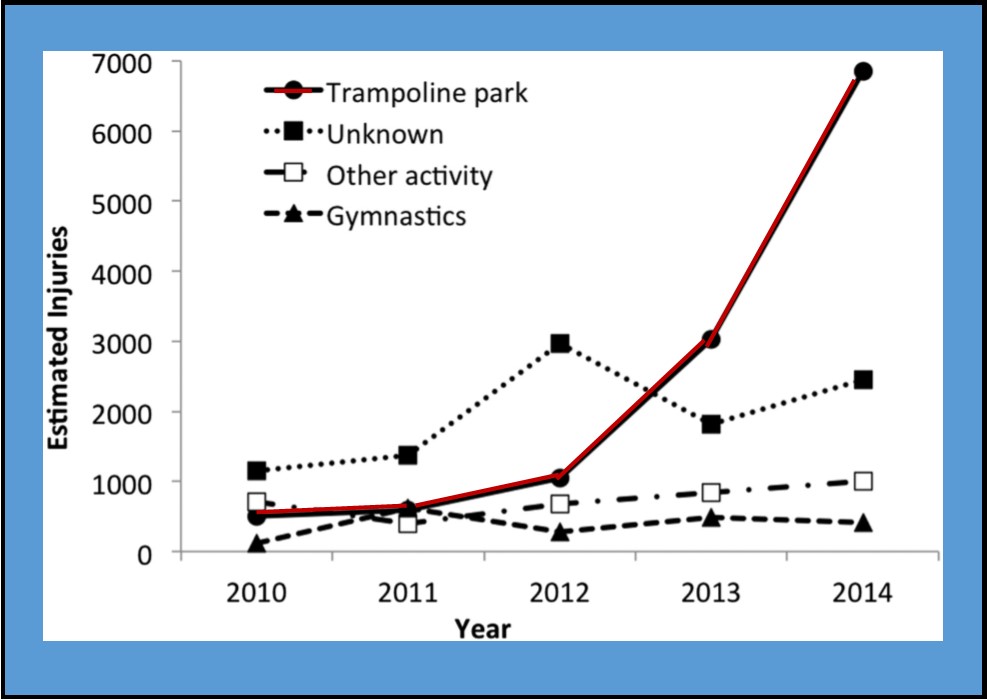 running in communities including Hartford, New Britain, Trumbull, Bethel, Stamford, Norwalk, Manchester, Milford, Danbury, New Milford, Ridgefield, Brookfield, Wallingford. Another is expected soon in East Haven.
The state’s official tourism website, www.ctvisit.com, includes six trampoline parks among the places highlighted for “safe, family-friendly indoor recreation.” The “Connecticut – Still Revolutionary” site features information about, and links to, Launch Trampoline Park in Hartford, Sky Zone in Bethel and Norwalk, Chelsea Piers in Stamford, Rockin’ Jump Trampoline Park in Trumbull and Flight Trampoline Park in New Britain.
The study found that the majority of trampoline-related accidents occur at home — rather than at a park — and these accidents did not increase significantly from 2010 to 2014, nor did overall trampoline injuries.
The International Association of Trampoline Parks (IATP) said the rise in injuries should be expected because of more parks in recent years. "We believe that the positives of youth recreational sports far outweigh the negatives, and we are actively engaged in programs aimed at promoting the safety and well-being of jumpers who visit our member park s," the organization said following publication of the study.
"I don't think trampoline park injuries are increasing because they are especially dangerous compared to home trampolines, but rather because of their growing popularity and the increasing number/availability of these facilities," said Kasmire, indicating that 1 in 11 children or young adults who went to the emergency room for park injuries was admitted to the hospital.
Most of the injuries were leg injuries, including strains and fractures. Children injured at trampoline parks were less likely to have head injuries than those injured on trampolines at home, but the severity of park-related injuries was concerning, the authors said.
In a published report, Kasmire said that parks generally have done a good job of ensuring that youngsters do not fall off trampolines, reducing the likelihood of head injuries, because the floors are covered with a bouncy surface. This floor, though, can increase the risk of other injuries if a person lands between two trampolines, she said.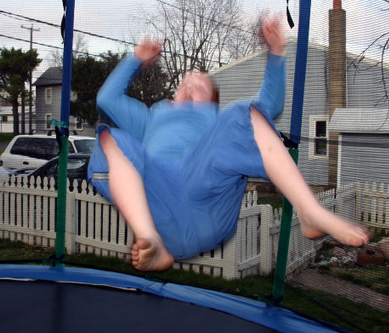
The American Academy of Pediatrics advises against trampoline use for all children but says if children do use them, they should not do flips or have more than one jumper at a time on a trampoline. The academy said adult supervision is needed and that trampolines should also have proper padding.
The IATP indicated that the organization “welcomes studies like the one published” because they “provide a deeper understanding of safety issues and provide data on our sport allowing us to better educate parents, jumpers and parks so all can fully enjoy indoor trampoline park facilities.”
The trade organization also noted that “if the study reported Trampoline Park Injuries (TPIs) as a percentage, rather than a total, a more accurate industry picture would develop. As a point of reference, high school football players experience injuries at a rate of 3.87 per 1,000 exposures. The rate of reportable injury at a typical trampoline park is less than one per 10,000 jumpers. Therefore, the rate at which injuries occur is a much more meaningful statistic than total number of injuries.”
The study in Pediatrics notes “adult supervision has been proposed to reduce trampoline injuries in children, although trampoline injuries often occur despite adult supervision.” The study also states that “although only a fraction of trampoline-related injuries occurred at trampoline parks (11% in 2014), the trend is alarming.”
 The NCHS data also ranked Connecticut 12th in the Cesarean Delivery Rate.
 Regarding the percentage of babies born to unmarried mothers, a statistic long tracked by federal health officials, three states saw more than half the children born in that category. The highest percentages were in Mississippi (54.0%), Louisiana (52.7) and New Mexico (51.3%).


 The Connecticut Interscholastic Athletic Conference


 Connecticut Voices for Children Executive Director Ellen Shemitz said the poll results indicate that there are potentially great rewards for leaders to work on this issue, and not many penalties. In addition, the results show the public’s willingness to devote money to this issue, and that people are looking to their elected leaders to make these investments, Shemitz pointed out.
 The site pointed out that “unless we pay attention to attendance even among young children, we are missing the opportunity to use early educational experiences to build an essential skill: showing up on time, every day to school. A growing body of research and practitioner experience shows that paying attention to attendance for our youngest children is essential.


 suranceQuotes, found that the average increase in premiums across the country when a teen driver is added to an existing policy is 79 percent. That is a slight improvement from a few years ago, when the increase nationwide averaged 84 percent.

 Perhaps the most significant underlying factor is that each state regulates insurance differently, and those regulatory differences account for some of the variations in the study’s findings, according to insuranceQuotes. For instance, Hawaii is the only state that doesn't allow insurance providers to consider age, gender or length of driving experience when determining premiums. That means that the cost for teens doesn't differ much from the cost for adults buying auto insurance. This may also account for lower increases in states such as New York, Michigan and North Carolina, where insurance is regulated more strictly and rating factors are more stringent, insuranceQuotes points out. The increases in those states when adding a teen to an existing policy were all below 60 percent, among the lowest increases in the nation.



 In recent years, the Connecticut program, coordinated by Connecticut’s Old State House with support from Connecticut Humanities, has grow in numbers and in the quality of the students’ work, organizers point out. This year, Connecticut History Day had 10,600 points of contact with Connecticut students, teachers, parents and history professionals, including workshops for 4,500 students—twice last year’s number.



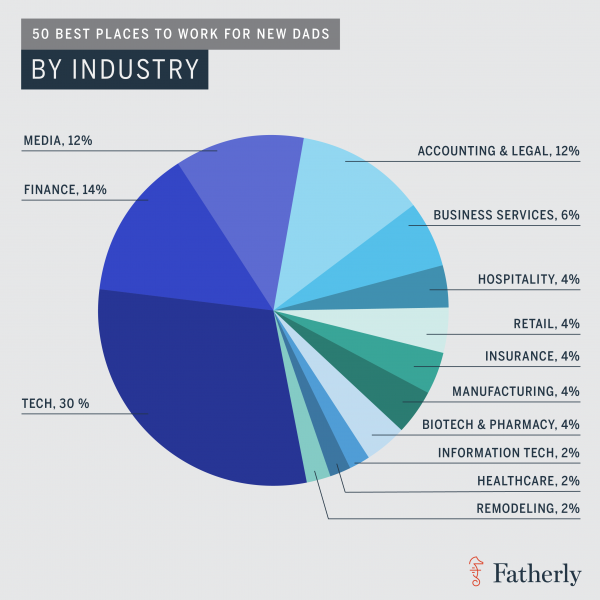
 Among the nation’s top businesses for new dad, an analysis by the website Fatherly, determined that two Connecticut-based companies – alcoholic beverages producer Diageo and financial data and analysis provider FactSet, earned slots in the top 50. Fatherly is a digital lifestyle guide for men entering parenthood.
 were Netflix, Spotify, Facebook, Patagonia, Bank of America, Pinterest, Google, Microsoft, Twitter, Airbnb, Johnson & Johnson, Accenture, MasterCard, Intuit and Intel.
 rs Commission. Replacing them will be the Commission on Women, Children and Seniors and a Commission that merges the Latino, African-American and Asian Pacific American Commissions.



 The Latino and Puerto Rican Affairs Commission (LPRAC) was created by an act of the Connecticut General Assembly (CGA) in 1994. This 21 member non-partisan commission is mandated to make recommendations to the CGA and the Governor for new or enhanced policies that will foster progress in achieving health, safety, educational success, economic self-sufficiency, and end discrimination in Connecticut. As of 2014, the state’s Hispanic population exceeded 500,000, about 15 percent of the state’s overall population.
 ”
 Another Connecticut school has received national recognition, as Military Times ranked the School of Business at Quinnipiac University as the best business school for veterans in Connecticut and the 24th best in the nation, according to its Best for Vets: Business Schools 2016 rankings.