Childcare Costs Continue to Outpace Inflation, Low Income Families Hit Hardest; CT 6th Most Expensive
/One of the more notable aspects of the latest data on consumer prices provided this month by the U.S. Bureau of Labor Statistics is the striking increase in childcare and nursery school prices. That data, along with statistics that reflect the impact of those increasing costs on families ability to afford such care, highlight the struggles and disparities that continue to exist, in Connecticut and nationwide. Over the past 25 years, childcare and nursery school costs have risen 177 percent, while prices more generally have risen just 77 percent. Childcare and nursery school costs have been outpacing general inflation for at least 25 years (the data do not go back any further than 1991); this is putting a significant strain on the budgets of low-income families.
 The Center for Economic and Policy Research points to an August 2014 study by the U.S. Department of Agriculture that found a two-parent, middle-income family (those making between $62,000 and $107,000 per year) will spend an average of $245,000 (in 2013 dollars) on their kids between the ages of zero and 17.
Significantly, due to rising income inequality, poor families are finding it harder to give their children the same opportunities afforded to rich children, the study points out. At present, families in the top fifth of the income distribution spend seven times as much on their children as families in the bottom fifth.
“This inequality can also be observed for paid leave: about 23 percent of workers in the top tenth of the wage distribution have access to paid family leave, compared to just four percent of workers in the bottom tenth,” the findings show.
Child care in Connecticut, the Economic Policy Institute points out, “is expensive.” Connecticut is ranked 6th out of 50 states and the District of Columbia for most expensive infant care.
- The average annual cost of infant care in Connecticut is $13,880—that’s $1,157 per month.
- Child care for a 4-year-old costs $11,502, or $959 each month.
Childcare is also “unaffordable” for a large percentage of Connecticut famiies. The Economic Policy Institute indicates that infant care for one child would take up 16 percent of a typical family’s income in Connecticut, noting that according to the U.S. Department of Health and Human Services (HHS), child care is affordable if it costs no more than 10% of a family’s income. By this standard, only 28.1% of Connecticut families can afford infant care.
 A minimum-wage worker in Connecticut would need to work full time for 36 weeks, or from January to September, just to pay for child care for one infant. And a typical child care worker in Connecticut would have to spend 63.6% of her earnings to put her own child in infant care, according to the data.
CEPR points out that other costs for raising children have increased as well, also outpacing the inflation rate. For instance, elementary and high school tuition and fees have risen 3.2 percent over the past year (four times the overall inflation rate of 0.8 percent); college tuition and fees are up 2.7 percent. At the same time, infant care in Connecticut costs $3,752 (37.1%) more per year than in-state tuition for 4-year public college, according to the Economic Policy Institute.
According to the Organisation for Economic Cooperation and Development (OECD), public expenditure on pre-primary education and childcare is just 0.4 percent of GDP in the United States; this is far lower than the rates of spending in Denmark (2.0 percent of GDP) or Iceland and Sweden (1.6 percent). By this measure, the U.S. comes in 33rd out of the 36 countries surveyed by the OECD, according to the CEPR report.
Public expenditure on pre-primary education spending is 0.3 percent of GDP in the U.S. but averages 0.5 percent in the other OECD countries; even more shockingly, public expenditure on childcare is just 0.06 percent of GDP, well short of the 0.4 percent average from the rest of the OECD. Nor do differences in GDP make up for the latter gap. In 2011, public expenditure on childcare was $794 per child in the U.S., less than one-third of the OECD average. By contrast, public spending on childcare is $7,100 per child in Finland, $6,400 in Norway and Denmark, $5,900 in Sweden, and $5,700 in Iceland — despite the fact that the U.S. is substantially richer than all those countries except Norway.
In a separate survey, the OECD found that just 14 percent of all public spending on children in the U.S. went to children age five and under — dead last among the 32 OECD countries in the sample. In the United States, 14 percent of all public spending on children goes to children ages zero to five; 41 percent goes to children ages six to 11; and 45 percent goes to children ages 12 to 17. For the other 31 countries (data were not available for Canada and Turkey), 26 percent of all public spending on children went to children ages zero to five; 35 percent went to children ages six to 11; and 39 percent went to children ages 12 to 17, the Center for Economic and Policy Research explained.


 The New Haven Register
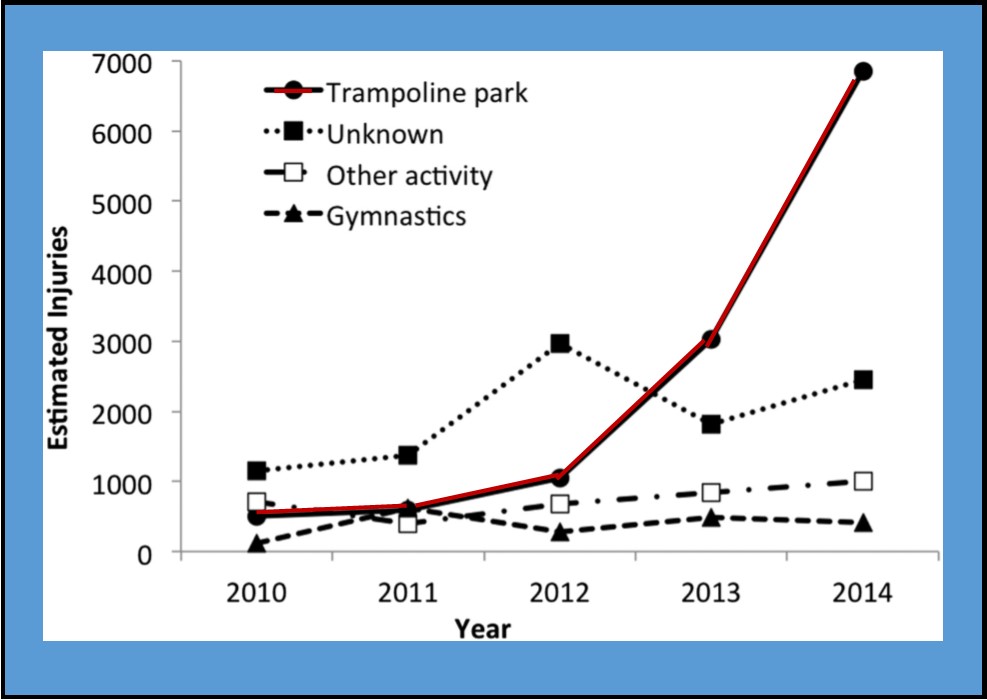 running in communities including Hartford, New Britain, Trumbull, Bethel, Stamford, Norwalk, Manchester, Milford, Danbury, New Milford, Ridgefield, Brookfield, Wallingford. Another is expected soon in East Haven.
 s," the organization said following publication of the study.
 The NCHS data also ranked Connecticut 12th in the Cesarean Delivery Rate.
 Regarding the percentage of babies born to unmarried mothers, a statistic long tracked by federal health officials, three states saw more than half the children born in that category. The highest percentages were in Mississippi (54.0%), Louisiana (52.7) and New Mexico (51.3%).

 The Connecticut Interscholastic Athletic Conference


 Connecticut Voices for Children Executive Director Ellen Shemitz said the poll results indicate that there are potentially great rewards for leaders to work on this issue, and not many penalties. In addition, the results show the public’s willingness to devote money to this issue, and that people are looking to their elected leaders to make these investments, Shemitz pointed out.
 The site pointed out that “unless we pay attention to attendance even among young children, we are missing the opportunity to use early educational experiences to build an essential skill: showing up on time, every day to school. A growing body of research and practitioner experience shows that paying attention to attendance for our youngest children is essential.

 suranceQuotes, found that the average increase in premiums across the country when a teen driver is added to an existing policy is 79 percent. That is a slight improvement from a few years ago, when the increase nationwide averaged 84 percent.
 Perhaps the most significant underlying factor is that each state regulates insurance differently, and those regulatory differences account for some of the variations in the study’s findings, according to insuranceQuotes. For instance, Hawaii is the only state that doesn't allow insurance providers to consider age, gender or length of driving experience when determining premiums. That means that the cost for teens doesn't differ much from the cost for adults buying auto insurance. This may also account for lower increases in states such as New York, Michigan and North Carolina, where insurance is regulated more strictly and rating factors are more stringent, insuranceQuotes points out. The increases in those states when adding a teen to an existing policy were all below 60 percent, among the lowest increases in the nation.


 In recent years, the Connecticut program, coordinated by Connecticut’s Old State House with support from Connecticut Humanities, has grow in numbers and in the quality of the students’ work, organizers point out. This year, Connecticut History Day had 10,600 points of contact with Connecticut students, teachers, parents and history professionals, including workshops for 4,500 students—twice last year’s number.


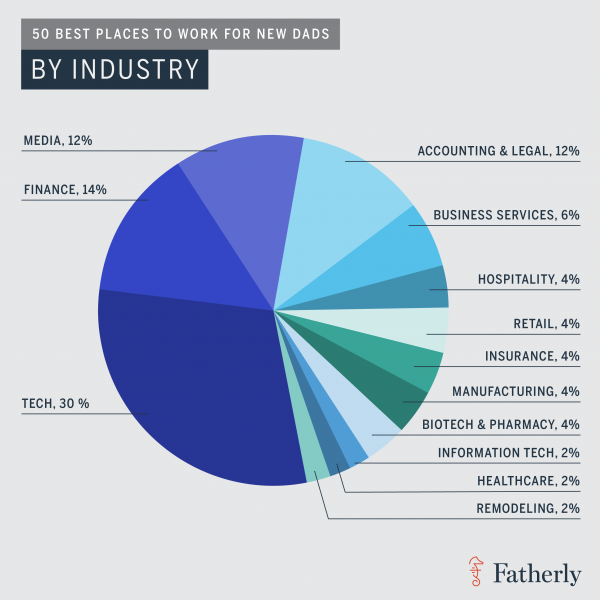
 Among the nation’s top businesses for new dad, an analysis by the website Fatherly, determined that two Connecticut-based companies – alcoholic beverages producer Diageo and financial data and analysis provider FactSet, earned slots in the top 50. Fatherly is a digital lifestyle guide for men entering parenthood.
 were Netflix, Spotify, Facebook, Patagonia, Bank of America, Pinterest, Google, Microsoft, Twitter, Airbnb, Johnson & Johnson, Accenture, MasterCard, Intuit and Intel.