Home Grown Start-Up Business Aims to Help CT Grow

“Simply redeveloping economic development.”  That’s how the leadership of Help Grow CT, a fledgling business dedicated to helping other start-up entrepreneurial enterprises, describe their endeavor.  As a playful video summarizes the serious intent driving the effort, “Several years ago, a group of entrepreneurs utterly frustrated with the bad press their beloved state was receiving, just couldn’t accept Connecticut as being one of the worst places to do business in the country.” Christopher Sacchinelli and a handful of colleagues quietly began the venture a few years ago, having spent some time at a Norwalk accelerator program and with a track-record in business start-ups.  They tweaked and revised their business model and platforms, traveling and researching economic development strategies that have been successful elsewhere, and why. About 50 businesses signed on, and helped refine the effort. circular_HGCT

Six months ago they began a public push to grow the business and this month a new member platform is being launched. The immediate goal is 3,000 small business owners, about one percent of businesses in Connecticut.  The company is about one-third of the way there.

“We knew that there had to be a way we could catalyze change via our own actions,” Sacchinelli said, recalling the drive to start Help Grow CT. “The goal is to help and empower Connecticut businesses.  To make it cheaper and easier to grow a business.”

In surveying the new business landscape, it became clear to Sacchinelli that “the problem that most small business owners were experiencing was high costs, not enough time and low profits.”   What they did as a result was develop a business that provides opportunities for new businesses to band together to succeed as individual enterprises, and by doing so, “help grow CT.”  It is an endeavor that aims to bring other businesses together as a group to drive economies of scale, reduce costs, increase efficiencies and grow profits.  And in doing so, boost Connecticut’s economy and turn around the state’s less-than-stellar reputation.

“The number one business killer is lack of action.  We focus on solutions,” said Sacchinelli, a Trumbull resident and lifelong entrepreneur born and raised in Norwalk who turned 27 this month.  “Connecticut is my community.  I’m vested in Connecticut.”  A previous venture landed him on the cover of the Fairfield County Business Journal in 2013, soon after graduating college. He has authored a book to encourage young entrepreneurs like himself, and has endeavored to use his expertise to encourage and guide businesses and potential business owners in his home state.graphic

Through Help Grow CT, member companies are able to save up to 30 percent on dozens of exclusives partners, apps and platforms, and participating businesses are said to achieve, on average, 9 percent annual growth.  Individuals, called Growth Analysts, work with businesses to navigate through their specific business needs.

By offering savings on back room operations, such as bookkeeping, Help Grow CT not only allows business start-ups to focus more on their business product or service and less on the paperwork, without sacrificing the important detail that can lead a new enterprise to sink or swim.  They point out that businesses with healthy ledgers are 76 percent more likely to succeed over a 5 year period.

“HelpGrowCT has helped small business owners identify areas in their business where they can cut costs, invest in inefficiencies and grow their profitability,” the company’s website points out, offering support in branding, social marketing, and growth strategy development, responding to what is often new business owners “feeling overwhelmed” as they navigate all that is necessary to propel a new endeavor forward.  “We work with the nitty gritty that can hold a business back,” adds Sacchinelli.

Thus far, the initiative has been self-funded.  As members, who will pay monthly fees for the service, are added, Sacchinelli hopes the venture will be self-sustaining, and ultimately, profitable.  The number of members will largely determine that.  He is also cognizant of the potential social impact of the venture, and aims for it to be a “sustainable, evergreen accelerator program,” that will also deliver value to existing businesses.

In addition to the resources provided directly by Help CT Grow to member businesses, “we can listen to problems and crowd source solutions,” Sacchinelli explains, bringing the power of the network of members to bear on individual business challenges.  “The vast majority of small businesses have some of the same problems.  Together, we can guide a business toward the solution.”  He was encouraged recently by the positive feedback (and new members) from among attendees at the Connecticut Business Expo in Hartford, where he raised the profile of HelpGrowCT with the first visible foray into central Connecticut.

HelpGrowCT is also interested in the opinions of Connecticut's business community as their own business evolves.  A companion website, www.helpgrowct.org, includes a brief online survey for start-ups, business owners, investors, residents and students, aimed at propelling the venture and giving voice to the state's growing entrepreneurial community.   And HelpGrowCT continues to seek talent as it grows, actively seeking "energetic, self-driven community leaders who share our passion" and can apply their skills in journalism, event planning, advisory services, or community advocacy," according to the website.

Never too far from the surface is the drive to turn around Connecticut’s reputation as inhospitable to new businesses.  Says Sacchinelli, “After reading article after article about how Connecticut is a poor place to do business, we’re trying to build something that matters.”


https://youtu.be/tPIrcx3oEz8

https://youtu.be/xnac_ll-5I4

Early Childhood Education Earns Strong Support in Both Political Parties, Poll Finds

As the national political conventions get underway, advocates of early childhood education are pointing to the results of a new national poll to underscore widespread support that transcends political party. In the midst of a polarizing election cycle, 90 percent of voters – including 78 percent of Trump supporters and 97 percent of Clinton supporters – agree that Congress and the next president must make quality early childhood education more accessible and affordable to low- and middle-income families, according to the national survey.

The survey, conducted for the advocacy organization First Five Years, found that by a three-to-one margin, voters prefer the next president be someone who focuses on solutions to the country’s problems, and they’ve identified investment in early childhood education as an important solution.early childhood

Key voter groups want the federal government to help states and local communities improve access to quality early childhood education – incuding 85 percent of Hispanics, 79 percent of suburban women, 65 percent of moderate/liberal Republicans, and 58 percent of Republican women, according to the poll released by First Five Years Fund (FFYF).

“Early childhood education isn’t a partisan issue, and the poll demonstrates that Americans of all political stripes are united in their demands to make quality early childhood education more accessible and affordable,” said Kris Perry, Executive Director of the First Five Years Fund. “Candidates looking to connect with voters should be hearing loud and clear that Americans see a need for quality early learning, ranking it a top priority alongside education broadly and good-paying jobs.”

At Connecticut Voices for Children, a highly regarded research and advocacy organization in Connecticut, officials agreed that “early childhood is an issue where Democrats and Republicans can find common ground, where all candidates must devote time and attention, and ultimately where they should invest in the health and well-being of young children, families and the economy.”survey says 1

In the national poll, over two-thirds of respondents believe children do not start kindergarten with the knowledge and skills they need, driven in part by a lack of affordable and successful early childhood education programs. Americans also want to rethink our education priorities, with the majority calling for more or equal investment in early education over college.

The poll also found that voters want America’s leaders to prioritize early education: 72 percent say that ages one to five are the most important for learning. In addition, a majority of Republicans, Democrats, and Independents want to invest in multiple education opportunities, including home visiting, early learning programs, and preschool services.

The poll was commissioned by the First Five Years Fund in conjunction with a bipartisan polling team of Public Opinion Strategies (R) and Hart Research (D). The sample was distributed proportionately throughout the country and is demographically representative of the electorate. 

According to First Five Years, “Early childhood education for low-income children is one of the best ways to promote upward mobility that pays off for individuals and society. Every child needs effective early childhood education and development from birth to age five; research shows that low-income children are the least likely to get it. Those who experience quality early care and learning have better education, health, social and economic outcomes in life-increasing their productivity and reducing the need for spending later on.”

survey says 2Connecticut Voices for Children Executive Director Ellen Shemitz said the poll results indicate that there are potentially great rewards for leaders to work on this issue, and not many penalties.  In addition, the results show the public’s willingness to devote money to this issue, and that people are looking to their elected leaders to make these investments, Shemitz pointed out.

Regarding Connecticut’s efforts to encourage and support early childhood education, officials at Connecticut Voices point out that “while we do invest in early childhood care and education more than many states, there is room for improvement to ensure both program quality and program access for children and families who need high-quality programming.”

The Connecticut Office of Early Childhood, established in 2014, recently urged public schools to focus on the attendance of kindergarten students, citing the importance of early childhood education for later academic success.

The Office’s website indicated that “study after study confirms the value of high-quality early childhood education for developing the cognitive, social and emotional skills that children need to succeed in kindergarten. But unless children attend these programs on a regular basis, they are not likely to benefit fully.”

FFYF_1The site pointed out that “unless we pay attention to attendance even among young children, we are missing the opportunity to use early educational experiences to build an essential skill: showing up on time, every day to school. A growing body of research and practitioner experience shows that paying attention to attendance for our youngest children is essential.


According to the Early Childhood website, “studies have found that children who are chronically absent in preschool are five times more likely to miss more days of kindergarten. For the 2014-15 school year, 12 percent of CT’s kindergarteners were chronically absent, that is almost 550 kindergarteners who were regularly not in school. Additionally, children who are chronically absent in kindergarten and first grade are likely to have poor attendance 5 years later.”

Last month, Connecticut Early Childhood Commissioner Dr. Myra Jones-Taylor testified before the U.S. Senate Health, Education, Labor and Pensions Committee, urging Congress to allocate additional federal dollars to states for implementing key policy changes, first approved in 2014, to child care programs.

The Commissioner testified that the focus on quality, continuity of care, and basic health and safety are long overdue – and that focus should be celebrated. She pointed out, however, that the challenge for Connecticut and many other states is that the changes significantly increase the annual cost of care per child.


LED Street Lights Being Installed in CT Towns Even As Health Concerns Are Raised

The American Medical Association’s new policy stand “against light pollution and public awareness of the adverse health and environmental effects of pervasive nighttime lighting,” comes as municipalities across Connecticut and the nation are replacing longstanding lighting systems with LED lights in an effort to save money and improve safety.  The AMA however, is warning that the rapid pace of change could bring long-term detrimental health and safety effects. The AMA has noted that “it is estimated that white LED lamps have five times greater impact on circadian sleep rhythms than conventional street lamps. Recent large surveys found that brighter residential nighttime lighting is associated with reduced sleep times, dissatisfaction with sleep quality, excessive sleepiness, impaired daytime functioning and obesity.”

The organization noted earlier this month that “approximately 10 percent of existing U.S. street lighting has been converted to solid state LED technology, with efforts underway to accelerate this conversion.” The AMA’s Report of the Council on Science and Public Health on “Human and Environmental Effects of Light Emitting Diode (LED) Community Lighting” cautioned that “white LED street lighting patterns also could contribute to the risk of chronic disease in the populations of cities in which they have been installed. Measurements at street level from white LED street lamps are needed to more accurately assess the potential circadian impact of evening/nighttime exposure to these lights.

The AMA recommendations were developed to “assist in advising communities on selecting among LED lighting options in order to minimize potentially harmful human health and environmental effects”:

  • an intensity threshold for optimal LED lighting that minimizes blue-rich light
  • all LED lighting should be properly shielded to minimize glare and detrimental human health and environmental effects,
  • consideration should be given to utilize the ability of LED lighting to be dimmed for off-peak time periods.

The concerns are not new, but they are receiving greater attention in the wake of the AMA’s formal community guidance and policy position, adopted at the organization’s annual conference in Chicago in mid-June.LED lighting

Communities in Connecticut that have taken steps to switch to LED lighting include New London, Berlin, Plainville, East Hartford, Rocky Hill, Stamford, Southington, and Cheshire, according to published reports.  An article authored by UConn professor of Community Medicine and Health Care Richard G. Stevens, highlights red flags being raised by the AMA regarding the safety of LED lighting being installed in cities around the country.  The article first appeared on an international website, theconversation.com, and has since appeared on sites including CNN.  Stevens, an expert on the health impact of electric lighting, has raised concerns for more than a decade.

The Illuminating Engineering Society, founded in 1906 and based in New York, noted in a position statement that “exposure to optical radiation affects human physiology and behavior, both directly (acute effects including melatonin suppression, elevated cortisol production, increased core temperature) and indirectly (resetting the internal circadian body clock). There is no confirmation that typical exposures to exterior lighting after sunset lead to cancer or other life‐threatening conditions.” The Illuminating Engineering Society of North America (IES) is described as “the recognized technical authority on illumination.” The IES website indicates that the organization was “not represented in the deliberations leading to [the AMA document]. We intend to contact the AMA and work with them to ensure that any lighting related recommendations include some discussion with the IES.”lighting

ANSES, the French Agency for Food, Environmental and Occupational Health & Safety, has published a report entitled (in English): " Lighting systems using light-emitting diodes: health issues to be considered," which focuses squarely on potential problems caused by LED lighting.  The LEDs Magazine website indicates that the full report is available in French only, but the report summary (in English) says that risks have been identified concerning the use of certain LED lamps, raising potential health concerns for the general population and professionals.

"The issues of most concern identified by the Agency concern the eye due to the toxic effect of blue light and the risk of glare," says the report, adding that the blue light necessary to obtain white LEDs causes "toxic stress" to the retina.

Back in 2011, a comprehensive report by Carnegie Mellon University’s Remaking Cities Institute (RCI) on the city of Pittsburgh’s transition to LED street lighting indicated that “Glare is an issue with LED street lighting. The RCI research team’s literature review and interviews with manufacturers and municipal agencies in cities with LED replacement projects indicate that the emphasis is being placed almost entirely on energy savings, to the exclusion of visual quality issues. The substantial glare caused by LEDs is not typically included as a measurable criteria in evaluation processes, and when it is, the tools of measurement are inadequate. As a result, glare persists as an issue.”

That report also noted that “the public is informed that LEDs save energy told that they are better in quality (often false) and that more accurate in color (often false).” In addition, the 113-page report indicated that “While the use of bright lights is believed to reduce accidents, it actually creates dangerous conditions for drivers, especially when night vision is affected by sharp differences in illumination. Bright lights are particularly hazardous for older persons because the human eye’s accommodation reflex slows with age.”

Regarding health concerns that have been raised, the report indicates that “Bright white light suppresses melatonin, the hormone that regulates tumors. Blue light wavelengths are to blame, because they ‘reset’ the circadian clocks of humans, animals, and plants even at very low levels of blue light. This might account for the significantly higher rates (30-60%) of breast and colorectal cancer in night shift workers.”

Some have compared the growing controversy regarding LED lighting to the ongoing debate in towns around the country regarding the use of crumb rubber from recycled tires as fill for sports turf fields.  Federal, state, and municipal governments have weighed in on the discussion, but even as health concerns continue to be raised, fields using the materials continue to be installed and used by youth in Connecticut and across the country.  The U.S. Environmental Protection Agency recently launched a research project aimed at providing better answers on that safety question.


Former UConn QB Cochran Says Football Puts Players in Harm’s Way, Urges End to "Cycle of Silence"

Former UConn quarterback Casey Cochran, who retired from the sport at age 20 after suffering his 13th concussion, said this week that “There are problems with the game that need to be addressed. As it is played right now, tackle football — with its pads and helmets — puts players in harm’s way, all of the time, regardless of age and ability.” Cochran, writing a first-person story about his experiences with football and concussions in The Players’ Tribune, an online site founded by Derek Jeter, issued an alert to others who’ve journeyed through the sport, or continue to compete:

“I want to say to all former, current and future athletes who have or will suffer a concussion: Do not hide it. Tell your coaches, medical staff, parents, friends and teammates. Get treatment. The cycle of silence hurts more and more people each year.”

Cochran, from Monroe, explained that in the 18 months since his decision, after suffering a concussion on the last play of the first game of UConn’s 2014 season, against Brigham Young University, “I still feel the lingering effects from my many concussions. Life is a balancing act now. Some days it’s hard to wake up before noon. Sometimes I don’t want to leave my bed at all. In high school, I had a 3.9 GPA. Now I have trouble focusing and performing well in my graduate-school classes.”Cochran

He warned that “Those who play football, particularly those who begin in their youth, are given a glamorized version of the sport – one where camaraderie, discipline, toughness and leadership are highlighted and the wretchedness is ignored and swept under the rug. As a result, we fall in love with and value the good and push aside the bad.”

Cochran recalled that “I probably should have stopped playing football in eighth grade after my third concussion, but I was afraid to speak up. Afraid of disappointing people who had invested in my career. Afraid of who was I was without football. I wish I hadn’t hid the three concussions I had in one week during my junior year of high school, but I was afraid that college recruiters would find out.”

Even with increasing awareness of the risks of concussions, Cochran said the near and long-term effects haven’t led to enough changes.  “The only word I know to describe the first few moments after a concussion is limbo — there are a few moments between the world that you were just a part of and your new brain-injured reality,” Cochran explained.  “My head was seized with tremendous pressure, and that same awful, familiar depression from previous head injuries came over me — like a dark, heavy blanket, swallowing me up.”

With it all, he retains optimism: “There is life outside of the white lines. A lot of life. Stepping away from football was one of the scariest things I’ve ever had to do. I felt lost for a long time. For a little over a year, I felt like I was somewhere, deep in the ocean, being pulled by the currents. But what pulled me back from the depths was hope. Hope that things would get better.”logo

He now finds purpose in being an advocate for player safety, speaking to audiences, doing interviews and writing a book about his experiences.  To those going through what he did, during his 14 years of playing football, he says “If you feel alone, you aren’t. Chances are, there are a lot of people out there who have some idea of what you’re going through. Just keep looking. Reach out.”

Added Cochran: “Sometimes it’s nice to admit that things aren’t O.K.: ‘Hello, my name is Casey, and I have anxiety and depression.’ It may be permanent. It may be just the beginning. I don’t know what the future has in store for me and it will be some time before the medical field can paint a clearer picture for me. I may have CTE right now. I might have dementia at 50. My entire future is uncertain.”

Best Bargain for Retirees? Waterbury Ranks 10th in the USA

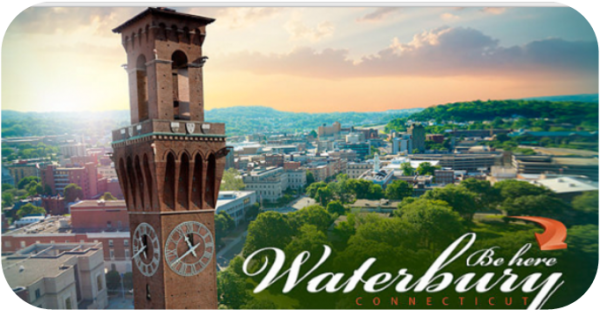
Headed towards retirement?  Keep Waterbury in mind.  A new ranking of the best bargains for retirees has the Brass City holding down the final slot on the top ten list.  The list, developed by the website GO Banking Rates and running on the CBS Moneywatch website, ranks Waterbury as the 10th best town in the country for retirees. waterbury imageThe site said of Waterbury: “Waterbury is in New Haven County on the Naugatuck River, close to Hartford and New York City. Waterbury has a colonial history with historic houses, and the downtown is clean and has many trees. You will find art and cultural events, and great health care facilities.”

A 2015 report by the Government Accountability Office found that about half of households led by people ages 55 and older have no retirement savings at all. Among households with retirement savings, the median amount of those savings is just $104,000 for households ages 55-64, and $148,000 for households ages 65-74. Such modest savings make it difficult to keep up with expenses during retirement. Americans 65 years of age or older average nearly $44,686 in annual expenses, according to the Bureau of Labor Statistics.

And Waterbury, apparently, can make those dollars go further.  The GOBankingRates website ranking considered several local factorretireess, including:

  • Housing — rental prices for a one-bedroom apartment, rounded to nearest dollar.
  • Percentage of retirees — in the local population as of April 1, 2010.
  • Walkability — scores ranging from 25 for Montgomery, Ala., to 65 for Allentown, Pa.
  • Safety factors — scores ranging from 6 for Rochester, N.Y., and Louisville, Ky., to 30 for Boise, Idaho.

Each city was given a weighting for each of the criterion and was ranked based on the overall score.  The top 20:

  1. Boise, Idaho
  2. El Paso, Texas
  3. Allentown, PA
  4. Grand Rapids, MI
  5. Champaign, IL
  6. Charlottesville, VA
  7. Lincoln, NE
  8. Bloomington, IN
  9. Cedar Rapids, IA
  10. Waterbury, CT
  11. Colorado Springs, CO
  12. Missoula, MT
  13. Rochester, NY
  14. Greensboro, NC
  15. Fort Worth, TX
  16. Billings, MT
  17. Phoenix, AZ
  18. Lexington, KY
  19. Omaha, NB
  20. Columbus, OH

The City of Waterbury’s website highlights “the sense of neighborhood identity and pride is so important that Waterbury has some of the most active neighborhood associations in the state.”  The site explains that “their efforts focus on protecting the small-town character and livability of their communities as they plan neighborhood block parties, concerts and beautification projects.  And with over twenty distinct and diverse neighborhoods-- many with their own commercial center, park, school, and sports associations-- there is truly a place for everyone in Waterbury.  These well-preserved and diverse neighborhoods are often recognized as one of the city's greatest assets.”

The original settlement of Waterbury – the 9th largest city in New England - dates back to 1674 and the city's name is reference to its proximity to the Naugatuck River and its many tributaries which flow through the heart of the city.


https://youtu.be/4MZDO2vFPjA

Connecticut to Join The Boston Fed's "Working Cities Challenge" to Help Communities Improve Economic Outcomes

Connecticut will be the latest state participating in the Federal Reserve Bank of Boston’s Working Cities Challenge competition, an economic development effort that builds cross-sector collaboration and leadership to solve challenges affecting urban communities. Businesses and organizations from the private sector throughout the state, along with state government, have played a significant role as a catalyst in bringing the Working Cities Challenge to the Land of Steady Habits. As part of this initiative, cities in Connecticut will have the ability to apply for competitive funding to be used toward addressing local issues in a sector of their choosing, be it education, workforce development, small business development, or other areas that can improve economic outcomes for residents. This summer, the Boston Fed will begin conducting meetings across Connecticut to provide more information about the Working Cities Challenge. Cities will be able to apply for design grants in the fall of 2016.

The Boston Fed will lead the competition, providing technical support and staff resources.  A steering committee composed of local and national partners will determine the cities in Connecticut that will be eligible to apply.  An independent, expert jury that does not include the Boston Fed will select winning cities.

The Boston Fed launched the program in Massachusetts in 2013, building on research that identified cross-sector collaboration and leadership as the key ingredients in resurgent smaller cities across the county. The State of Rhode Island has also joined Massachusetts as a participating site of the Working Cities Challenge.

working citiesFunding for the competition prize awards will be provided both by the State of Connecticut, which has committed $1 million, and an additional $2 million commitment from private partners.  The Doris Duke Charitable Foundation, The Kresge Foundation, Living Cities, NeighborWorks America, The United Illuminating Company, Stanley Black & Decker, Boehringer Ingelheim, Travelers Companies, Inc., The Hartford Foundation for Public Giving, Webster Bank, Eversource Energy, Liberty Bank Foundation, Hartford HealthCare, Barnes Group, Hoffman BMW of Watertown/Hoffman Auto Group, United Technologies Corp., Charter Communications, and Fairfield County’s Community Foundation have all committed to participating in the challenge.

“This Working Cities Challenge is about delivering collaborative, transformative projects that will improve the economic outcomes in our cities, creating strong, resilient, and inclusive communities,” Governor Malloy said.  “To build a stronger Connecticut, we must build upon the strengths of our urban areas, and I commend the Boston Fed for their leadership on this effort.  We look forward to working with them in support of Connecticut and cannot thank our private partners enough for their participation.”

hartford“We are pleased to bring the Working Cities Challenge to Connecticut and are thankful to Governor Malloy for his support of the effort, as well as the Hartford Foundation, the Doris Duke Foundation, Living Cities, The Kresge Foundation, and many others,” Boston Fed President Eric Rosengren said.  “The partners have come together to make it possible to bring the competition to Connecticut – precisely the model of cross-sector collaboration that forms the basis of the Working Cities Challenge.  This competition focuses on the residents of the state’s postindustrial cities – places with unique assets that taken together can help to build civic leadership infrastructure, which our research shows is a key component of economic resurgence.”

“Collaboration among the nonprofit, private, public and philanthropic sectors and residents is fundamental to ensuring our communities thrive,” Linda J. Kelly, President of the Hartford Foundation for Public Giving, said.  “We are proud to support the Working Cities Challenge as a proven approach for the coordination across multiple systems and stakeholders that is necessary to strengthen our urban centers and benefit the entire state.”

new haven “It’s gratifying to see the strong support from Connecticut companies, foundations, and the Malloy administration for the Working Cities Challenge under the thoughtful  leadership of the Boston Fed,”  James C. Smith, Chairman and CEO of Webster Bank, said.  “By encouraging the development of civic infrastructure as a prerequisite to physical infrastructure, the Working Cities Challenge promises to revitalize Connecticut’s smaller cities economically and transform the lives of inner city residents.”

“Across the country many, many communities lack cohesive leadership to make use of their disconnected assets,” Rip Rapson, President and CEO of The Kresge Foundation, said.  “The Working Cities Challenge offers a short-term incentive for smaller communities to come together for a prize.  But its true value will be felt when those communities find the long-term benefits of collaborations that engage citizens to right economic wrongs and provide for widespread opportunity.”

 Working Cities video

Encore Entrepreneurs Look to Start New Businesses in CT

To paraphrase a commercial phrase from years ago, it isn’t your grandfather’s entrepreneurship.  In fact, the new version isn’t only for twenty- and thirty-somethings.  The fifty- and sixty-somethings are, in increasing numbers, looking to launch what AARP describes as “encore entrepreneurship.”  And the infrastructure to give those new entrepreneurial notions a boost is growing too, including in Connecticut. The most recent gathering, at the reSET business factory in Hartford, brought solid attendance and an array of experts to work with individuals with a full career under their belt, but nonetheless looking to start their next career. reSET photo

AARP and the U.S. Small Business Administration (SBA) hosted the free educational and networking “Boot Camp” seminar for Connecticut entrepreneurs and small business owners.  reSET, usually populated by a predominantly younger set of entrepreneurs, indicated that age and entrepreneurship are not mutually exclusive, and Community Developer Brandon Serafino went on to explain the availability of working space, expert mentors and consultants is areas ranging from law to accounting to marketing on hand to provide guidance.

Nora Duncan, state director of AARP, led the program presentations and described a strong portfolio of services available – and some surprising numbers that reflect the strength of encore entrepreneurship nationwide.

It turns out, she said, that there is research to show that not only do more older people start businesses but also that businesses started by older people are actually more successful on average.

A study by the Kauffman Foundation found, for example, that the average and median age of U.S.-born tech founders was thirty-nine when they started their companies. Twice as many were older than fifty as were younger than twenty-five.

aarpA recent report in Business Insider indicated that one in three new businesses in the U.S. were started by an entrepreneur age 50 or older.  Describing “running a business as the new retirement,” the news report cited an infographic in easylifecover that highlighted those aged 55-64 in the U.S. have actually had the highest rate of entrepreneurial activity in the last 10 years, noting that the founders of McDonald's, Coca Cola, and Kentucky Fried Chicken – among others - were all over 50 when they established their businesses.

logoThe interactive “Boot Camp” event at reSET – open to people of all ages with a special focus on the 50 and over –included short presentations from local resource organizations, networking opportunities and valuable information on the programs and tools available to potential business owners.  Attendees were updated on the necessary steps and tools to launch a business, and had opportunities to talk one-on-one with local mentoring organizations, lenders, small business advisors and community leaders for advice and assistance.

AARP state offices and U.S. Small Business Administration District Offices are in the midst of hosting events for Encore Entrepreneurs specifically designed for those age 50 and older who want to start or grow a small business.  Summer of Encore Mentoring events are being conducted during June, July and August, in Connecticut and around the country.  (Next event is June 29 at CCSU)

Among those on ctsbdc-logohand at the reSET event in mid-June were representatives of the Office of Secretary of State (where new businesses are registered), Hartford Economic Development Corporation, and the Connecticut Small Business Development Center.  SBA Connecticut District Director Anne Hunt outlined the businesses expertise available at offices throughout the state to support business start-ups and help navigate the hurdles that new businesses face.

The SBA-AARP strategic partnership is designed to jointly counsel, train, and mentor encore entrepreneurs on small business creation. For many 50+ individuals, officials say, entrepreneurship training is the toolkit that empowers them to use their experience, knowledge, and skills to become business owners and job creators. Since the partnership began in 2012, the SBA and AARP have educated more than 300,000 existing and budding potential encore entrepreneurs nationwide.

reSET-600x239-1-300x120reSET serves all entrepreneurs, but specializes in social enterprise ― impact driven business with a double and sometimes triple bottom line. In addition to providing co-working space and accelerator and mentoring programs, reSET aims to inspire innovation and community collaboration, and to support entrepreneurs in creating market-based solutions to community challenges. The organization’s goal is to “meet entrepreneurs wherever they are in their trajectory and to help them take their businesses to the next level.”


New Haven to Host Regional Economic Development Conference for Northeast

Each year, the Northeastern Economic Developers Association convenes a conference of practitioners and thinkers from throughout the region who learn and do business together. For the organization’s 60th annual conference this fall, the selected theme of “Transportation at the Crossroads” is designed “to help us bring a big idea to life - increasing economic self-sufficiency and vibrancy for citizens, businesses and communities.” The city selected to host the landmark event is New Haven. “We are broadly defining transportation to include moving people, cargo and data,” explain conference organizers of the event, expected to bring more than 250 professionals in a range of economic development areas to the September 11-13 conference.   new haven conf

NEDA will offer sessions in New Haven in the priority topic areas related to the transportation theme - a broad array of program topics, professional tools and networking opportunities that will provide high value to conference attendees.

Who is expected to attend?  Organizers anticipate community planners; representatives of banks, specialty lenders and investors; Chambers of Commerce leaders; developers; economic development organizations and consultants; engineering service firms; entrepreneurs; municipal planners, place-makers; policy makers; transportation planners and implementers; and federal, state, regional and local government representatives.

Keynote speakers include state and federal officials, including Governor Malloy; state Economic and Community Development Commissioner Catherine Smith; Transportation Commissioner James Redeker; Alissa DeJonge, Vice President of Research for the Connecticut Economic Resource Center; and New Haven Mayor Toni Harp.   In addition, former Gov. Parris N. Glendening of Maryland, President of Smart Growth America’s Leadership Institute and the Governors’ Institute on Community Design, a technical assistance program run in partnership with the EPA-DOT Partnership for Sustainable Communities and Smart Growth America, will address the conference, as will Congressman Bill Shuster, Chairman of the U.S. House Transportation and Infrastructure Committee.map

The conference will also recognize outstanding initiatives throughout the region, including the Project of the Year, Program of the Year, Educator of the Year, Member of the Year, and a series of marketing awards in categories including branding, marketing and promotion, and economic development content.  Nominations must be submitted (by NEDA members) by June 24.

Through NEDA membership, economic development practitioners, officials, and volunteer leaders develop and perfect their development tools, network with others in the field, and partner regionally to do the work of economic development, according to organization officials.

The NEDA “core philosophy” will be reflected in the conference sessions.  It reads “We believe economic development is inseparably intertwined with both community development and the leveraging of community assets to drive change. By forming collaborative partnerships with organizations pursuing goals similar to ours, local resources are maximized and the foundation for community sustainability is established from local stakeholders and small businesses committed to their common future.”

NEDA members “build stronger economies throughout the Northeastern United States,” including Connecticut, Delaware, Maine, Massachusetts, Maryland, New Hampshire, New Jersey, New York, Pennsylvania, Rhode Island, and Vermont, as well as the District of Columbia.

https://youtu.be/iphybn4GS8U

Connecticut Students Know Much About History; Stand Out in National Contest

Hamilton.  Say the name these days, and people almost reflexively think of the hit Broadway show.  But for Connecticut students Juliana Rodrigues, Max Bueno, Samantha Gilbert, Emily Strickland, and Joseph Zarif from Memorial Middle School in Middlebury, Hamilton brings to mind more recent history. The students won two Special Awards for their project, Alexander Hamilton Explores a Financial System for the New Nation of America, at the National History Day Competition for middle school and high school students, held this month in Maryland.  They middle-schoolers won the U.S.  Constitution Award and the Special Award in History in the Federal Government.323943_orig

Connecticut History Day is a program for students in grades 6-12 that encourages exploration of local, state, national, and world history.  After selecting a historical topic that relates to an annual theme, students conduct extensive research using libraries, archives, museums, and oral history interviews. Students analyze and interpret their findings, draw conclusions about their topic's significance in history, and create final projects that demonstrate their work.

Connecticut History Day is one of 57 affiliate programs of the highly regarded National History Day program. Student projects developed by students in Connecticut are entered into a series of competitions, from the local to the national level, where professional historians and educators evaluate them.

The students from Middlebury were not the only Connecticut students to shine on the national stage this year.5856079_orig

  • Mia Porcello, a middle school student from St. Timothy School in West Hartford, captured a national title by winning First Place in the Junior Individual Exhibit Category for her entry Florence Wald: Exploring Medical Boundaries, Exchanging Hospitals to Hospice.
  • Shay Pezzulo, a high school student from Classical Magnet School in Hartford, captured CHD’s second national title of the year by winning First Place in the Senior Individual Website Category for her entry Duel and Duality: New Journalism, New York. Pezzulo also attended "Breakfast on the Hill" with members of Congress during her trip to the NHD Contest - an event sponsored by the National Endowment for the Humanities.
  • The Outstanding Connecticut Entry Award from the Senior Division was awarded to Nicole Wood, Juliana Salamone, Katherine Hurst and Flora Dievenich for their group project, Women Airforce Service Pilots and the Flight for Equality. They are students at Greenwich High School and were also finalists in the Senior Group Performance Category.
  • The Outstanding Connecticut Entry Award from the Junior Division was awarded to Hunter Dale and Noah Vasington for their group project, Branch Rickey: Branching Off to New Ideas. They are students at Mansfield Middle School in Storrs and were also finalists in the Junior Group Exhibit Category.
  • Rosie the Riveter, an exhibit created by Claire Graham, Hana Previte, Isabel Saltzman, and Lauren White was one of only 57 projects featured at the National Museum of American History’s "National History Night" on Wednesday, June 15. They are students at Wilton High School.

The students, who helped Connecticut stand-out at the national competition, range from first-time program participants to history day veterans and from AP students to students who are struggling in school, according to officials.  The national competition was held June 12-16 at the University of Maryland.

logo_nationalHistoryDay2016In recent years, the Connecticut program, coordinated by Connecticut’s Old State House with support from Connecticut Humanities, has grow in numbers and in the quality of the students’ work, organizers point out. This year, Connecticut History Day had 10,600 points of contact with Connecticut students, teachers, parents and history professionals, including workshops for 4,500 students—twice last year’s number.



"Good strategic thinking by our History Day team has increased the number of students who learn and grow through this program," said Sally Whipple, Executive Director of Connecticut's Old State House. "Old State House workshops, resources and coaching have helped students develop high quality projects based on sound research. We serve thousands of students through this program, but more important than the number served, is the quality of that service. Students develop critical thinking, writing and research skills, along with increased confidence, curiosity and the ability to ask and find answers to compelling questions. The Old State House staff strives to do this every day through all of its programs. It's great to see student work that we've helped nurture receive the highest National History Day honors possible."

This is the fifth consecutive year that Connecticut students have placed at the national contest and appears to be the first time that Connecticut students have won two first place awards. The initiative in Connecticut is in line with the state’s relatively new Social Studies Framework and helps students build confidence, as well – as does the recognition, both in state and at the national level. 9075899_orig

Earlier this year, state contest winners were determined at a day-long event hosted at Central Connecticut State University.  That followed regional contests held in Torrington, New Haven, Fairfield, Mansfield, Manchester and Hartford. Among the statewide category winners, at the high school level,  were students from Hartford, Farmington, Manchester, Norwich, Weston, Wilton, Westport, Southbury, Woodbury, Greenwich, Ellington, New Haven and Wallingford.  Topics ranged from the Panama Canal to Pequot Ware, Immigration Policy to Women Airforce Pilots, 20th Century Psychiatry to War of the Worlds, Cheney Brothers to Langston Hughes.

The road to National History Day (NHD) begins in Connecticut’s classrooms and home schools where well over 2,000 students choose topics reflecting an annual NHD theme, conduct research and analysis and create an exhibit, performance, website, paper or documentary that shares their findings. Of these, more than 1,250 students competed in this year’s regional contests, with over 400 of the winners going on to the State Contest, which sends first and second-place winners on to Nationals.

https://youtu.be/6pt2R_5cXQs


AMA Policy, UConn Professor Raise Concerns About Municipal Conversions to LED Lighting

An article authored by UConn professor of Community Medicine and Health Care Richard G. Stevens, which highlights red flags being raised by the American Medical Association regarding the safety of LED lighting being installed in cities around the country, is gaining notice.  The article first appeared on an international website, theconversation.com, which features articles researched and written by college faculty from the U.S. and around the world.  The site’s tagline, “Academic rigor, journalistic flair,” reflects its approach.  The article has since been re-published on the CNN website, and it gaining traction on dozens of other internet sites. The article revolves around a policy statement issued by the AMA this month that suggests “conversions to improper LED technology can have adverse consequences.” Stevens, who has written about the health risks of electric lighting for more than two decades,  indicates that the policy statement comes "in response to the rise of new LED street lighting sweeping the country.” ama-logo

The new "white" LED street lighting which is rapidly being retrofitted in cities throughout the country has two problems, according to the AMA, Stevens highlights. “The first is discomfort and glare. Because LED light is so concentrated and has high blue content, it can cause severe glare, resulting in pupillary constriction in the eyes. Blue light scatters more in the human eye than the longer wavelengths of yellow and red, and sufficient levels can damage the retina. This can cause problems seeing clearly for safe driving or walking at night.” The AMA goes on to point out that blue-rich LED lighting can decrease visual acuity and safety, resulting in concerns and creating a road hazard.

tresser__elm_led_st_lts1In addition to its impact on drivers, the AMA notes that blue-rich LED streetlights operate at a wavelength that most adversely suppresses melatonin during night. It is estimated that white LED lamps have five times greater impact on circadian sleep rhythms than conventional street lamps, the AMA indicated. Recent large surveys, according to the AMA, found that brighter residential nighttime lighting is associated with reduced sleep times, dissatisfaction with sleep quality, excessive sleepiness, impaired daytime functioning and obesity.


The AMA points out that “converting conventional street light to energy efficient LED lighting leads to cost and energy savings, and a lower reliance on fossil-based fuels. Approximately 10 percent of existing U.S. street lighting has been converted to solid state LED technology, with efforts underway to accelerate this conversion.”

Although no comprehensive list is available, among the communities in Connecticut making the switch to LED lighting are Stamford, Plainville, East Hartford, Southington, and Berlin, according to published reports. Cheshire launched a streetlight replacement program earlier this year, indicating that “the new LED fixtures will provide the appropriate amount of lighting for locations across the town and will focus light directly downward on the sidewalks and roadway.  The fixtures have a ten-year product warranty, but are anticipated to have a much longer life. The project is expected to be completed in July 2016.”

"Despite the energy efficiency benefits, some LED lights are harmful when used as street lighting," AMA Board Member Maya A. Babu, M.D., M.B.A. "The new AMA guidance encourages proper attention to optimal design and engineering features when converting to LED lighting that minimize detrimental health and environmental effects."

The AMA encourages communities to minimize and control blue-rich environmental lighting by using the lowest emission of blue light possible to reduce glare. Stevens, however, says that “the AMA's recommendation for CCT below 3000K is not quite enough to be sure that blue light is minimized. The actual spectral irradiance of the LED -- the relative amounts of each of the colors produced -- should be considered, as well.”

Stevens concludes that “there is almost never a completely satisfactory solution to a complex problem. We must have lighting at night, not only in our homes and businesses, but also outdoors on our streets. The need for energy efficiency is serious, but so too is minimizing human risk from bad lighting, both due to glare and to circadian disruption. LED technology can optimize both when properly designed.”replacement

The Hartford Courant reported last year that ESCO Energy Services is working with the Connecticut Conference of Municipalities to implement its municipal Street Light LED Conversion Program to buy the current streetlights from utilities and replace them with more efficient LED fixtures.

Stevens proposed in 1987 what was then seen as a radical new theory that use of electric lighting, resulting in lighted nights, might produce "circadian disruption" causing changes in the hormones relevant to breast cancer risk, according to the UConn Health website. Accumulating evidence has generally supported the idea, the site indicates, and it has received wide scientific and public attention. For example, his work has been featured on the covers of the popular weekly Science News (October 17, 1998) and the scientific journal Cancer Research (July 15, 1996). His most recent paper, “Shift work as a harbinger of the toll taken by electric lighting,” was published in Chronobiology International, The Journal of Biological and Medical Rhythm Research, in January 2016.

TheConversationLogo_smallerThe Conversation website is a collaboration between editors and academics to provide "informed news analysis and commentary that’s free to read and republish." It launched as a pilot project in the U.S. in October 2014 after starting in Australia in March 2011 and​ the UK in May 2013. Boston University’s College of Communication is are hosting the operation in the U.S.

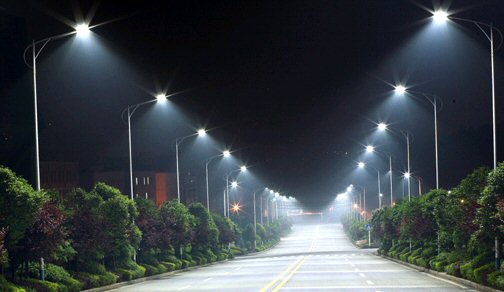
140206225605-01-los-angeles-led-horizontal-large-galleryPHOTO:  Traditional street lighting (left) vs. LED lighting (right).