
State’s First Law Incubators Set to Launch in Hartford, Bridgeport
/Connecticut’s first law incubators are due to open early this year at the Center for Family Justice, a Bridgeport-based nonprofit, and at UConn School of Law, being established to provide affordable legal services to people who need them and help lawyers establish solo practices.
The Connecticut Community Law Center, an initiative of the law school and the Hartford County Bar Association, aims to help people who have traditionally been underserved by the justice system: low- and moderate-income clients who don’t qualify for legal aid but can’t afford standard legal fees, the UConn School of Law announced this month.
“Too many people face legal problems concerning essential human needs without proper representation because they fall into the growing access-to-justice gap, between the very poor who qualify for legal aid and those with the financial means to pay a private lawyer,” said attorney Mark Schreier, who was appointed director of the Connecticut Community Law Center. “Standing alone and without professional guidance, those individuals enter our justice system at a tremendous disadvantage.”
The incubator is set to open in February in William F. Starr Hall on the UConn Law campus in Hartford. In addition to the services of the director, the law school will provide office space and support – including training, guidance, and legal research resources – for up to six solo practitioners. The Hartford County Bar Association and the law school faculty will provide mentors, and Greater Hartford Legal Aid will help with training and referrals.
The subsidized working environment will allow participating lawyers to provide legal services at a modest cost that is lower than standard legal fees, with each lawyer setting the fee on a case by case basis. Schreier said he expects cases to involve a wide range of legal problems, including family, consumer, probate, housing, bankruptcy, employment, immigration, and other general civil matters.
In Bridgeport, the Center for Family Justice, a Bridgeport-based nonprofit that provides services to trauma survivors affected by domestic violence, sexual assault or child abuse, will house the incubator.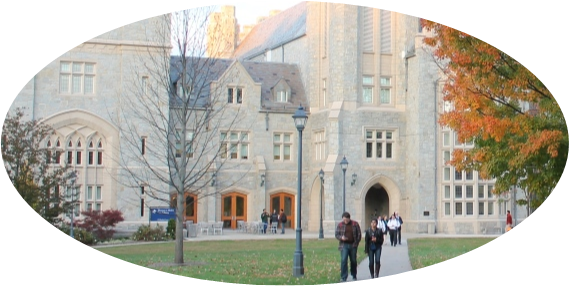
The Center is working with Connecticut law schools to help build the center’s legal apparatus, Fairfield County Business Journal reported, with several professors from Quinnipiac University on the steering committee to help develop the parameters of the program. Four attorneys are being sought.
Lawyers in the incubator program at the Center will provide the legal advices services and representation needed by victims of domestic violence, including restraining orders, divorce proceedings, child custody and support, housing and immigration issues. An Open House was held in September to interest local attorneys in participating.
“A legal incubator is like a business incubator,” Jennifer Ferrante, who joined the Center for Family Justice staff as the coordinator for the new service, told the Journal. At the center’s office at 753 Fairfield Ave., “We are going to be housing four attorneys here on site,” she said. Two of the first attorneys who applied and were accepted in the program are recent law school graduates.
The American Bar Association counts more than 60 lawyer incubators around the country, three-fourths of them established since 2014. The Connecticut Community Law Center and the Justice Legal Center at the Center for Family Justice in Bridgeport, will be the first in Connecticut.
Participating lawyers will spend 18 to 24 months at the Connecticut Community Law Center before moving on with their practices. The training and experience they receive will not only help them jump-start their practices, it will spread seeds of innovation in the delivery of legal services at an affordable cost, UConn Law Dean Timothy Fisher said.
 Clients who qualify for services at the Hartford incubator will be those whose incomes exceed the limits for legal aid but fall within three times the federal poverty level. For a family of four, this would mean a maximum household income of $72,900. Clients wishing to apply for services may do so beginning in February, when information will be available at the center’s website: cclc.law.uconn.edu.
“I think it will give the low- and moderate-income community a real chance in getting their legal needs met and ending their cycles in abuse and poverty,” Ferrante said of the new Bridgeport center.
Planning for the legal incubator has been ongoing since 2009. Although the Center for Family Justice is focused on serving six Fairfield County municipalities – Bridgeport, Easton, Fairfield, Monroe, Stratford and Trumbull – it also welcomes those seeking help from elsewhere in the state, officials said.


 Tammy Sneed, Director of Gender Responsive Adolescent Services at Department of Children and Families and co-chair of DCF’s Human Anti-Trafficking Response Team, said: “Reports of children suspected to be victims of domestic minor sex trafficking are increasing every year -- and, in 2016, there were just under 200 such referrals. For every child victim, the number of buyers on a given day in Connecticut is unfathomable. Some children report 10 to 15 buyers per night, which leads us to estimate that a minimum of 2,000 buyers in Connecticut bought sex from children last year.”
 “Demand keeps sexual exploitation and trafficking profitable,” says Beth Hamilton, associate director of the Alliance to End Sexual Violence (formerly CONNSACS). “We’ve started seeing the criminal justice system hold traffickers responsible, but we do not often see the people who purchase sex being held accountable for their role in keeping the industry thriving. If we want to end commercial sexual exploitation, we need to focus on ending demand and creating survivor-centered services.”

 In 12 states, including Connecticut, average debt was more than $30,000 – up from six states the year before. High-debt states remain concentrated in the Northeast and Midwest, with low-debt states mainly in the West. Average debt at the college level varies even more, from a low of $3,000 to a high of $53,000, and the share graduating with loans ranges from seven percent to 100 percent.



 The top 12 among millennials were: Sept.11; Obama election; Iraq/Afghanistan wars; Gay marriage; the tech revolution; Orlando shooting; Hurricane Katrina; Columbine shooting; Bin Laden; Sandy Hook; Boston Marathon bombing; Great Recession.


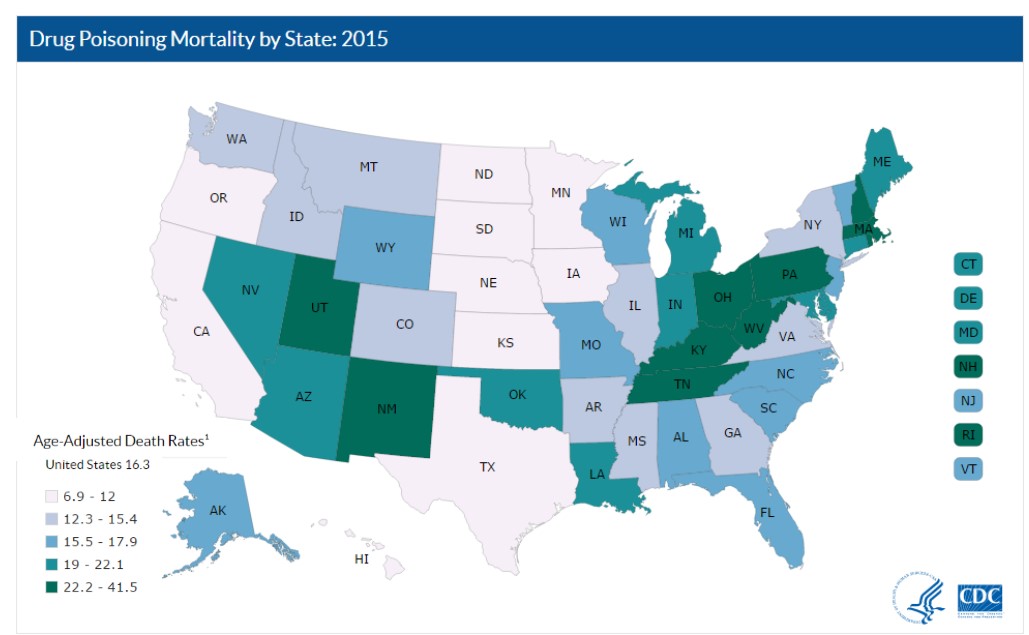 The five states with the highest rates of death due to drug overdose were West Virginia (41.5 per 100,000), New Hampshire (34.3 per 100,000), Kentucky (29.9 per 100,000), Ohio (29.9 per 100,000), and Rhode Island (28.2 per 100,000).



 this book, education is the ultimate determinate of success. In order for Hartford to excel, the population must be educated. The emerging majority must be able to support itself and children require cutting edge educational opportunities.”
 The Mattress Recycling Council (MRC), a non-profit organization established by the mattress industry that created and manages the program in Connecticut, California and Rhode Island, presented its inaugural
 “We are pleased with the program’s productive start and will continue to work with city leaders, businesses and the state to improve the program, expand the number of communities served, and increase the volume of mattresses recycled,” said Ryan Trainer, President of MRC and the International Sleep Products Association.
 explains. “Anyone can become a victim of abuse, but vulnerable older Americans — especially those who are women, have disabilities and rely on others for care or other type of assistance — are among the easiest targets for such misconduct.”