
Engineering Entrepreneurship Leads Three CT Institutions to Collaborate in Masters Program
/The latest effort to attract talented entrepreneurs from around the world to the state of Connecticut is a new partnership between the University of Connecticut, Trinity College and the University of New Haven, launching a joint Master’s of Engineering in Global Entrepreneurship. It is the first engineering-focused entrepreneurial graduate degree in the state.
The new master’s degree program aims to create what officials describe as “a nurturing ecosystem” to enable novice entrepreneurs to learn best practices, receive mentorship from veteran entrepreneurs, and be “set-up for success.”
The program, which is fully funded, will recruit individuals from all over the world who are in the early stages of developing start-ups, or who have shown an impressive penchant for entrepreneurship, to apply to the program. Accepted students will receive full tuition remission, a yearly stipend, and significant other resources to help them commercialize their ventures.
“This program, and its related initiatives, will be a major step towards bringing in the best and the brightest from all over the world, giving them the tools they need, and turning them into major entrepreneurial advocates for the state of Connecticut,” said UConn associate dean of engineering Mei Wei. “If we can bring them in early, train them, and open up doors toward commercialization, then we can literally help create start-ups from scratch, and help them to grow roots in this state.”
Similar programs are being offered by universities across the country, including at Brown, Dartmouth, University of Pennsylvania, and Villanova. Some include a focus at the undergraduate and graduate levels, while others are certificate, rather than degree, programs. Support for the Connecticut program comes from CTNext, with a funding match from UConn’s Schools of Engineering and Business, Trinity College, and the University of New Haven.
Kazem Kazerounian, dean of UConn’s School of Engineering, says it is essential to spread the net wide when recruiting in order to bring in the most talented students, regardless of their state or country of origin, in the same way student-athletes are recruited. “We have to search nationally and internationally to assemble the best possible collection of talent.”
John Elliott, dean of the School of Business, says that creating more entrepreneurial programs in a wider variety of academic concentrations will have a significant impact on Connecticut’s economic future.
“At the School of Business, we have a tremendous opportunity to help other entrepreneurs, in the sciences, engineering, medicine, and other specialties, to develop the business knowledge and meet the mentors and advisers who can help them take a great idea and bring it to the marketplace.
 The three institutions will work during the next few months to develop the curriculum, establish an advisory board, create a virtual inter-institutional platform, and plan to start recruiting for the first cohort of students. All three institutions have a lengthy pedigree in engineering, and effective programs to advance entrepreneurship at the undergraduate level. UNH offers the Kern Entrepreneurial Engineering Network (KEEN), focused on fostering an entrepreneurial mindset in engineering students. Trinity College President Joanne Berger-Sweeney has described engineering, entrepreneurship and innovation as part of the college’s DNA.
The program is being co-led by David Noble, professor-in-residence in management, director of the Peter J. Werth Institute for Entrepreneurship & Innovation, and co-director of the UConn Entrepreneurship and Innovation Consortium; Hadi Bozorgmanesh, professor of practice in engineering entrepreneurship and co-director of the UConn Entrepreneurship and Innovation Consortium; Sonia Cardenas, dean of academic affairs and strategic initiatives at Trinity College; and Ron Harichandran, dean of the Tagliatela College of Engineering at the University of New Haven.
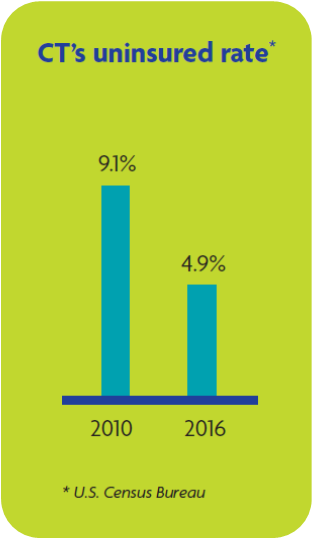
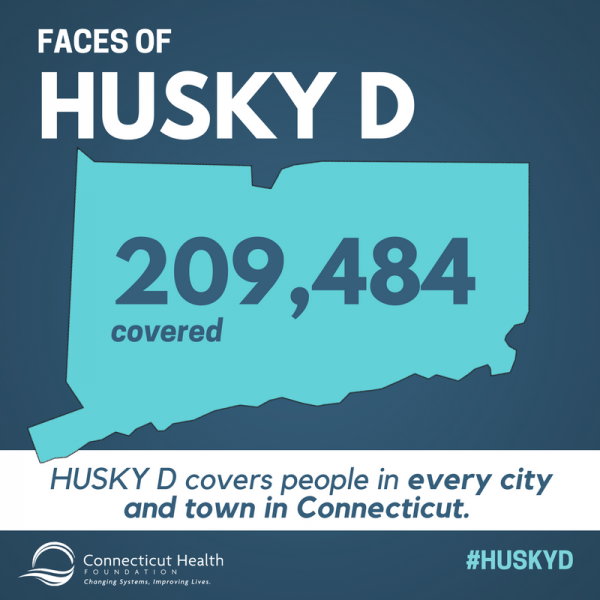 han 90 percent of the cost of the program, allowing Connecticut to cover more than 200,000 people with a relatively small budgetary impact.” Currently, the federal government pays 94 percent of the cost of coverage and the state pays 6 percent. The report also identifies challenges associated with HUSKY D, including concerns raised by health care providers about Medicaid payment rates and uncertainty in federal funding.
 3 Seconds Behind the Wheel, which debuts on Connecticut Public on Thursday evening, is a new
 The film also gives audiences a firsthand look at emerging technologies that could one day offer solutions to rising crash statistics. The documentary follows researchers at Google who are using driving simulators to develop next-generation in-car infotainment systems, and explores how one Swedish company is experimenting with technology that could one day allow cars to understand human feelings and make driving decisions based on individual needs.


 The U.S. DOT invests in the future of transportation through its University Transportation Centers (UTC) Program, which awards and administers grants to consortia of colleges and universities across the United States. In the Northeast, other consortia with the same policy focus include a 9-institution UTC led by Rutgers, the State University of New Jersey and a 6-institution group led by Pennsylvania State University.

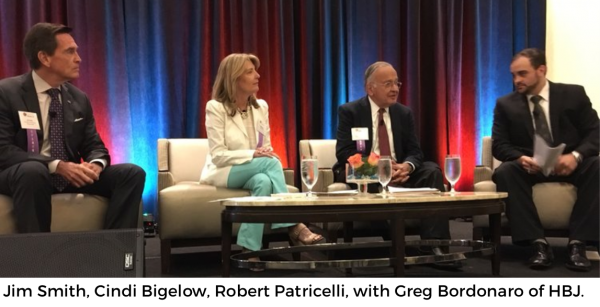
 Smith and Robert Patricelli, former CEO & Founder of Women's Health USA, who co-chaired the panel, were featured along with Commission member Cindi Bigelow, CEO of Bigelow Tea, at an event coordinated by the Hartford Business Journal last week. It was one of nearly 100 forums, discussions and one-on-one meetings that the co-chairs and other commission members have had since their findings and recommendations were issued.
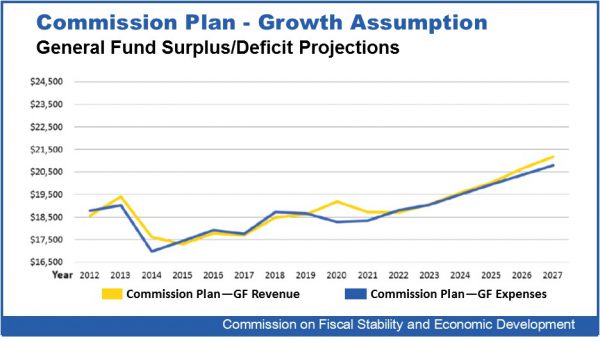
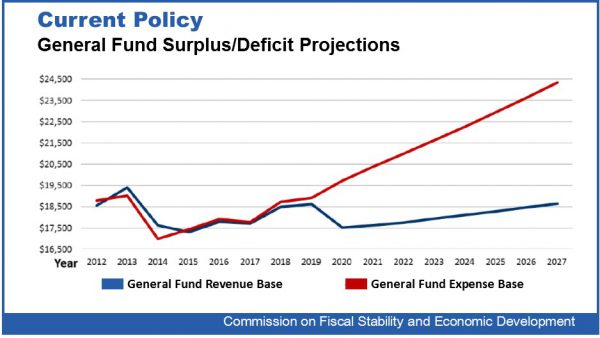
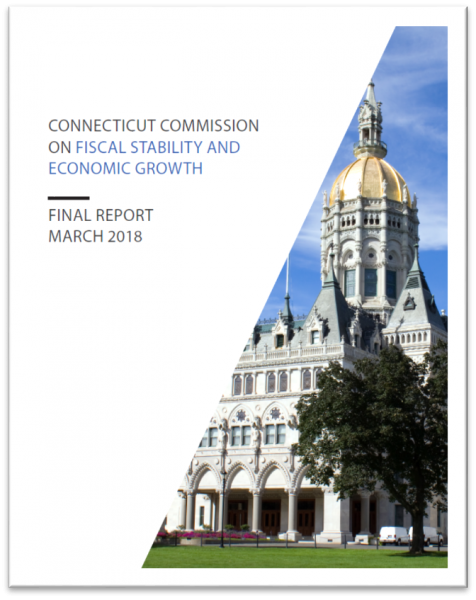 The co-chairs say it is understandable that more was not done with the Commission’s recommendations during the short 2018 legislative session, largely because an election was just around the corner. Instead, the legislature opted to have the Office of Policy and Management (OPM) coordinate two studies, soon to get underway. One would look at the Commission’s recommendations that involve “rebalancing of state taxes to better stimulate economic growth without raising net new taxes”; the other would conduct a study of the proposal for reform of the Teachers' Retirement System.

 The survey found that 38 percent of students whose grades were mostly A’s texted or e-mailed while driving a car on at least one occasion in the 30 days prior to the survey. The percentage was slightly less among students with lower grades: 31% of students with mostly B’s, 30% of students with mostly C’s and 23% of students with mostly D’s and F’s.
 More than a dozen Connecticut companies had a presence in the state’s pavilion at the event: Jackson Laboratory, Sema4, Genotech Matrix, AlvaHealth, RallyBio, Cantor Colburn, Pfizer, e-Path Learning, Thetis Pharmaceuticals, XViVO, Clarity Quest, Lucerna, Wyant Simboli, Boehringer Ingelheim, Aeromics, LambdaVision, Pattern Genomics.
 All told, there were more than 1,000 companies from dozens of nations represented at the 25th anniversary conference. The organizations


 by the Common Core Standards and provides a pathway for 21st Century Skills.
 Globally-Focused Coursework would require at least 7.0 credits or demonstration of mastery and Globally-focused Student Activities would require competency in global citizenship through active participation in “at least one or more co-curricular and other school-sponsored or endorsed activities over at least 3 years of their high school experience with suggested involvement of a total of at least 15 hours.”

 As he further established his career, Church traveled to remote places to sketch majestic scenes unfamiliar to his American audience, turning them into dramatic, large-scale paintings. These travels provided Church with ideas and material to produce major paintings for his wealthy patrons, including prominent American industrialists and financiers such as Hartford’s Timothy Mather Allyn, J. Pierpont Morgan and firearms manufacturer Elizabeth Hart Jarvis Colt.