

Nuclear Attack on NYC Could Impact CT, Report Suggests
/The illustration in a recent edition of New York magazine has drawn some attention in Connecticut. Accompanying an article describing the anticipated aftermath in the tri-state region of a nuclear attack on New York City, the potential path of nuclear fall-out was shown to extend through Connecticut towns including Greenwich, Stamford, Wilton and others, reaching as far north as the town of Monroe. Within two hours of an attack on Times Square, the article described, a plume of radioactive fallout would “unfurl 60 miles beyond the city, lingering for weeks, contaminating food and water supplies.”
The article explains that “In the hours and days after a nuclear blast, a massive plume of fallout would unfurl past the city’s borders and up the Eastern Seaboard, scattering radioactive dust on everything in its path: people, homes, farms, animals, forests, rivers. The most radioactive region of the plume would reach its full length of 20 miles an hour after the explosion, exposing every unsheltered person in the area to toxic levels of radiation; if it were to spread north from Times Square, it would reach as far as New Rochelle. Within a day, this danger zone would shrink to about a mile in length. Within a week, it would have dissipated completely.
A much bigger but less radioactive region of the plume, called the hot zone, would reach its maximum length of 60 miles — extending, say, as far north as Monroe, Connecticut — two hours after the explosion. A week later, the hot zone would still extend 20 miles from the city, and it would take many more weeks for it to disappear altogether. Although radioactivity in the hot zone would likely be too weak to cause any acute symptoms of radiation sickness, it could still subtly damage the human body and increase the chance of cancer.
How far and in what direction a plume of fallout travels depends on the altitude of the mushroom cloud, as well as temperature, wind, and other meteorological variables. Within an hour of an explosion, FEMA’s Interagency Modeling and Atmospheric Assessment Center would begin to track the plume’s movement, providing updates and projections to federal, state, and local authorities. They would use the information to evacuate people in the opposite direction of the plume and warn people in the plume’s path to seek shelter and avoid consuming any exposed water or food.”
Nearly a decade ago, a New York Times story on the subject included this: Suppose the unthinkable happened…Do not flee. Get inside any stable building and don’t come out till officials say it’s safe.” That advice, the Times indicated, was “based on recent scientific analyses showing that a nuclear attack is much more survivable if you immediately shield yourself from the lethal radiation that follows a blast, a simple tactic seen as saving hundreds of thousands of lives. Even staying in a car, the studies show, would reduce casualties by more than 50 percent; hunkering down in a basement would be better by far.”
“We have to get past the mental block that says it’s too terrible to think about,” W. Craig Fugate, administrator of the Federal Emergency Management Agency at the time, told the Times. “We have to be ready to deal with it” and help people learn how to “best protect themselves.”
Connecticut's state website focuses on nuclear preparedness related to an emergency at a nuclear power plant in the state. The Department of Emergency Management and Homeland Security site indicates "While the Dominion Energy- Millstone Station in Waterford is the main focus of emergency planning in Connecticut, the fuel storage site at the former Connecticut Yankee site in Haddam, CT and the Indian Point nuclear power plant in Buchanan, New York, are also included in Connecticut's radiological emergency preparedness and response program."
Communities near those sites are linked, and a calendar of upcoming training is provided. The United Way also provides information related to evacuation and taking shelter on the agency's website. New Haven conducted an exercise of their host community reception center to prepare for the unlikely event of a nuclear release at the Millstone power plant in 2015; video here: https://www.fema.gov/media-library/assets/videos/109671
(New York magazine illustration)

 The review of the research, conducted by Connecticut-based Rodriguez Data Solutions, points out that policymakers often promote K-12 regionalization as a way to achieve cost savings, but often fail to consider the consequences for student educational achievement. The report reviewed initiatives to promote K-12 regionalization in several states including Connecticut, Maine, New York and Vermont. Among the findings:

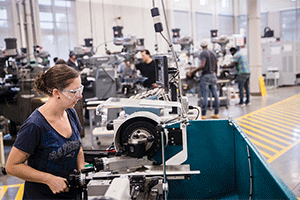
 The state currently operates advanced manufacturing programs at Asnuntuck, Housatonic, Manchester, Middlesex, Naugatuck Valley, Quinnebaug Valley and Three Rivers community colleges.

 The three institutions will work during the next few months to develop the curriculum, establish an advisory board, create a virtual inter-institutional platform, and plan to start recruiting for the first cohort of students. All three institutions have a lengthy pedigree in engineering, and effective programs to advance entrepreneurship at the undergraduate level. UNH
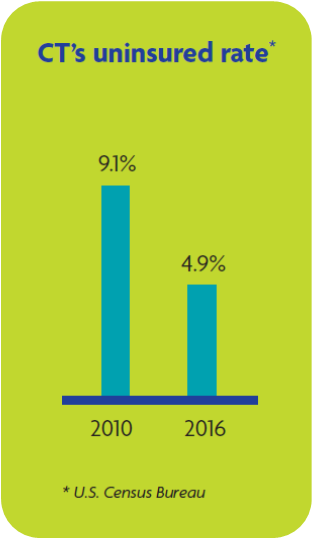
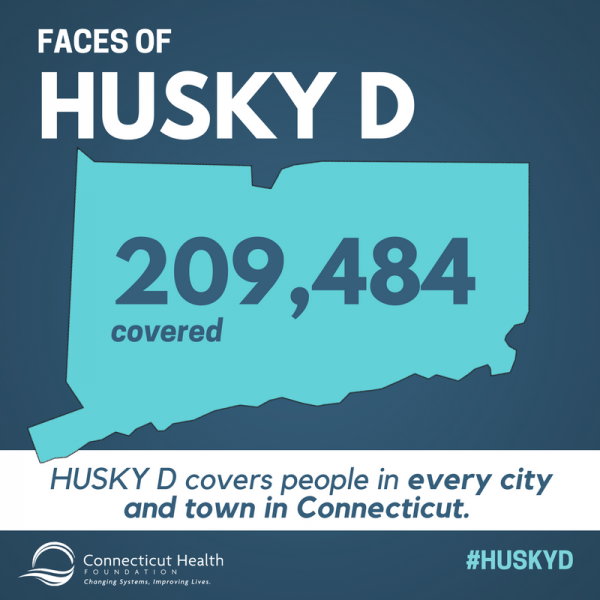 han 90 percent of the cost of the program, allowing Connecticut to cover more than 200,000 people with a relatively small budgetary impact.” Currently, the federal government pays 94 percent of the cost of coverage and the state pays 6 percent. The report also identifies challenges associated with HUSKY D, including concerns raised by health care providers about Medicaid payment rates and uncertainty in federal funding.
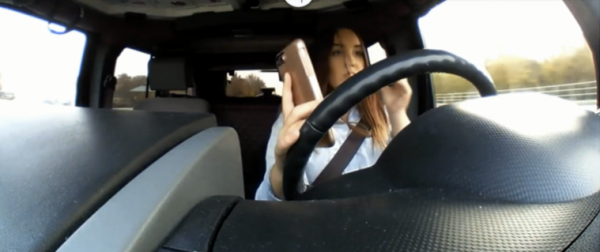
 3 Seconds Behind the Wheel, which debuts on Connecticut Public on Thursday evening, is a new
 The film also gives audiences a firsthand look at emerging technologies that could one day offer solutions to rising crash statistics. The documentary follows researchers at Google who are using driving simulators to develop next-generation in-car infotainment systems, and explores how one Swedish company is experimenting with technology that could one day allow cars to understand human feelings and make driving decisions based on individual needs.


 The U.S. DOT invests in the future of transportation through its University Transportation Centers (UTC) Program, which awards and administers grants to consortia of colleges and universities across the United States. In the Northeast, other consortia with the same policy focus include a 9-institution UTC led by Rutgers, the State University of New Jersey and a 6-institution group led by Pennsylvania State University.

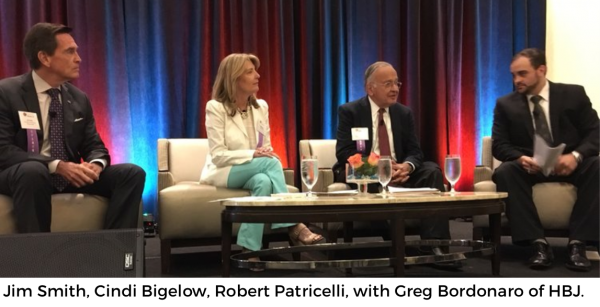
 Smith and Robert Patricelli, former CEO & Founder of Women's Health USA, who co-chaired the panel, were featured along with Commission member Cindi Bigelow, CEO of Bigelow Tea, at an event coordinated by the Hartford Business Journal last week. It was one of nearly 100 forums, discussions and one-on-one meetings that the co-chairs and other commission members have had since their findings and recommendations were issued.
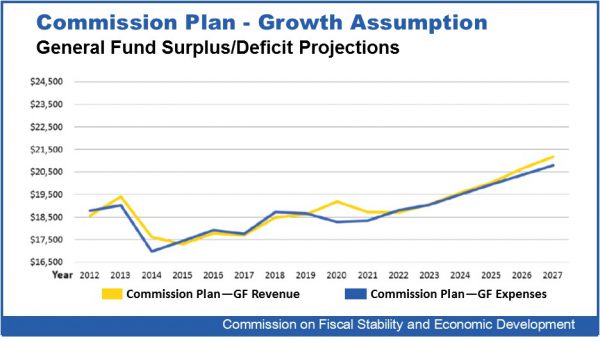
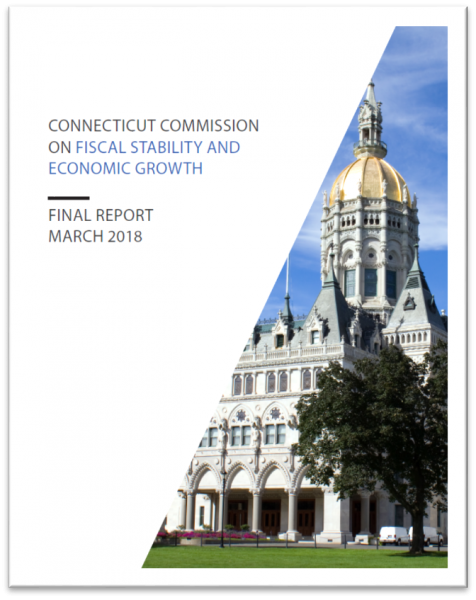 The co-chairs say it is understandable that more was not done with the Commission’s recommendations during the short 2018 legislative session, largely because an election was just around the corner. Instead, the legislature opted to have the Office of Policy and Management (OPM) coordinate two studies, soon to get underway. One would look at the Commission’s recommendations that involve “rebalancing of state taxes to better stimulate economic growth without raising net new taxes”; the other would conduct a study of the proposal for reform of the Teachers' Retirement System.

 The survey found that 38 percent of students whose grades were mostly A’s texted or e-mailed while driving a car on at least one occasion in the 30 days prior to the survey. The percentage was slightly less among students with lower grades: 31% of students with mostly B’s, 30% of students with mostly C’s and 23% of students with mostly D’s and F’s.
 More than a dozen Connecticut companies had a presence in the state’s pavilion at the event: Jackson Laboratory, Sema4, Genotech Matrix, AlvaHealth, RallyBio, Cantor Colburn, Pfizer, e-Path Learning, Thetis Pharmaceuticals, XViVO, Clarity Quest, Lucerna, Wyant Simboli, Boehringer Ingelheim, Aeromics, LambdaVision, Pattern Genomics.
 All told, there were more than 1,000 companies from dozens of nations represented at the 25th anniversary conference. The organizations





















