Rebuffed Again in CT, Tesla Explores Growth in Westchester
/Tesla’s goal of selling vehicles direct to consumers in Connecticut remains elusive, dismissed out of hand by Connecticut’s legislature this year, as last year and the year before. Even the sole “gallery” the electric car manufacturer and retailer has been operating in the state, in Greenwich, has been ordered by the Connecticut Department of Motor Vehicles to “cease all functions.”
Within a stone’s throw of the state line, in Westchester County, NY, the company is actively exploring potential locations for a new car dealership and customer education center, according to published reports. Under Connecticut’s dealer franchise law, automobiles may only be purchased through independent car dealerships. Tesla’s business model relies on direct-to-consumer sales.
Both a retail center and warehouse in the town of Greenburgh are currently under consideration, Westfair Publications reported this week. “We’ve been working with Tesla for quite some time now in searching for a proper facility in the area where they can house both sales and service,” said James MacDonald of Simone Development Cos., a Bronx-based company that owns both potential Tesla properties, Westfair reported.
In June, as the Connecticut legislature’s regular session concluded, a proposal that would have permitted Tesla to sell cars directly to consumers was never raised for debate. It made it through the Transportation and Finance, Revenue, and Bonding Committees, but was never called for a vote in either chamber.
House Speaker Joe Aresimowicz said at the time that he was reluctant to say that it was the objections of the state’s car dealers, who are subject to the regulations under the state’s motor vehicle franchise system, that killed the Tesla bill, CTNewsJunkie reported. The Connecticut Automobile Retailers Association strongly advocated for defeat of the proposed legislation this year, as in previous years.
In New York, Tesla is currently limited to five sales locations, in accordance with a law passed in that state in 2014. Efforts are underway in New York to increase that number.
A spokesman for Tesla said in June that the company wasn’t quite ready to give up on Connecticut. Diarmuid O'Connell, Tesla's vice president of business development, said in an interview with the Hartford Business Journal in May that the company hoped to open 10 stores if the legislation was approved, which would "conservatively" employ 25 full-time workers.
"We're talking 250 jobs in the near term," O'Connell said, adding that some locations could employ as many as 50 people, the newspaper reported. The company also released a Greenberg Quinlan Rosner poll showing that 74 percent of Connecticut residents "strongly" or "somewhat" support allowing direct sales in Connecticut.
 Tesla is prohibited from selling directly in Connecticut, Michigan, Texas, and West Virginia, according to the company. There are about 1,300 Teslas registered in Connecticut, nearly two-thirds of the electric vehicles in the state, according to the state Department of Motor Vehicles.
In a recent op-ed published in New York, Nick Sibilla of the Institute for Justice, a libertarian public interest law firm, indicated that in a review of employment figures for car dealerships in Massachusetts, New Jersey and New York, the Acadia Center, a nonprofit focused on creating a clean energy economy, concluded that “there has been no negative impact on auto dealer job levels or trends” in nearby states that allow direct sales of electric vehicles. The Union of Concerned Scientists recently pointed out that “between January and June of 2016, dealers in the Bridgeport to New York City metro area had 90 percent fewer electric vehicles listed for sale than Oakland, when adjusted for relative car ownership.”
Tesla is currently in the midst of raising $1.5 billion as it ramps up production of the Model 3 sedan, its first mass market electric car, with an anticipated pricetag hovering around $35,000, about half the cost of Tesla's previous models, and thought to be more attractive to consumers. The loss in sales tax revenue to Connecticut could be substantial if sales of the Tesla are not permitted in the state, according to some estimates.
Will the company’s plans impact legislatures in Connecticut or New York? Back in June, CTNewsJunkie reported Connecticut House Majority Leader Matt Ritter said he thought the issue might be resolved “when you see more Teslas” on the road. That day may be coming, emanating from Greenburgh if not Greenwich.
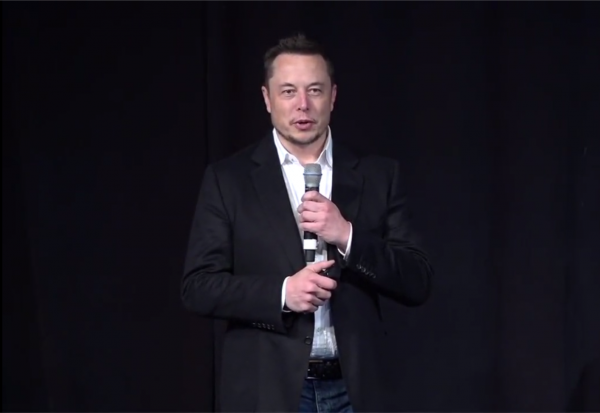 rding to the Treasurer’s Office. Representing the Connecticut Treasurer’s Office at the annual meeting, and presenting the proposal, was Aeisha Mastagni, a Portfolio Manager in the Corporate Governance Unit of the California State Teachers’ Retirement System. Overall, according to a U.S. Securities & Exchange Commission filing, 74.7 million shareholders voted against the proposal, with 32.7 million voting in favor.
 ess to the issue of childhood drownings. Steven Hernández,, Executive Director of the Commission on Women,
 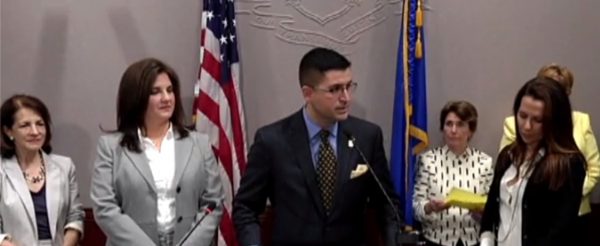 The statistics about children’s drowning deaths have not changed over time, implying that current strategies for prevention are not enough, officials said. Increasing children’s access to swim lessons, encouraging schools to teach water safety skills to students and giving parents easy-to-use and engaging tools to talk to their children about how to be safe around water are just a few actions that can have a big effect in reducing drowning rates, officials stressed.
 nts have been selected to receive the prestigious awards, including organizations and initiatives from



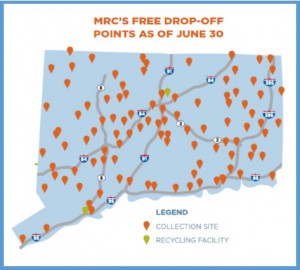
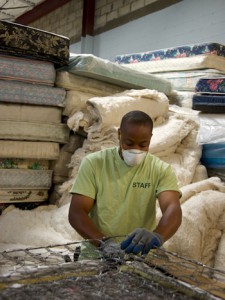 The Mattress Recycling Council (MRC), a non-profit organization established by the mattress industry that created and manages the program in Connecticut, California and Rhode Island, presented its inaugural
 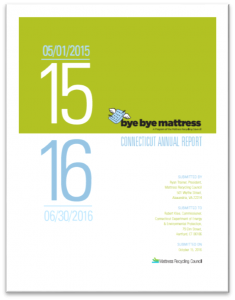 “We are pleased with the program’s productive start and will continue to work with city leaders, businesses and the state to improve the program, expand the number of communities served, and increase the volume of mattresses recycled,” said Ryan Trainer, President of MRC and the International Sleep Products Association.
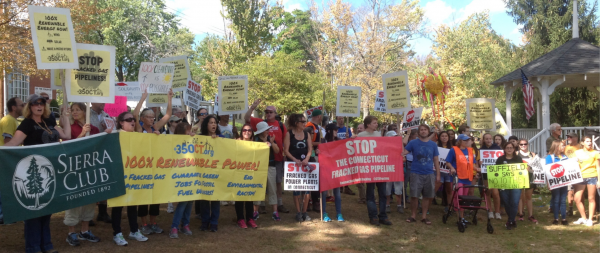
 Studies show that there is no unmet demand for natural gas in Connecticut, opponents of the planned pipeline said, stressing that gas pipelines are routinely only half full now and electricity demand in New England has remained virtually flat over more than 10 years. Proponents have
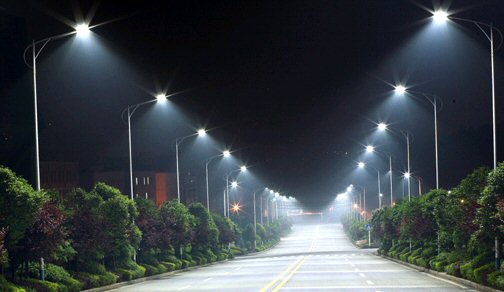
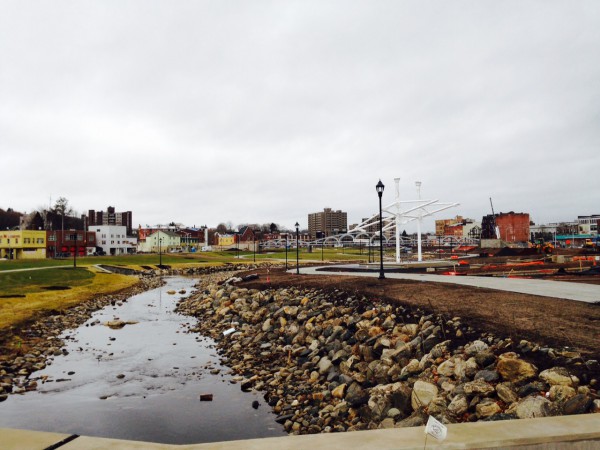
 for a proposed mixed use development project at 161-177 State Street, which is phase one of a multi-phase project that includes demolition of the Mills public housing project and implementation of the Harbor Brook Flood Control project north of the Hub site. The new building will be within walking distance of Meriden`s new Transit center.
 In February, the Connecticut Small Business Development Center (CTSBDC), the City of Meriden and The Midstate Chamber of Commerce announced the opening of the newest CTSBDC office, to be located at Meriden City Hall.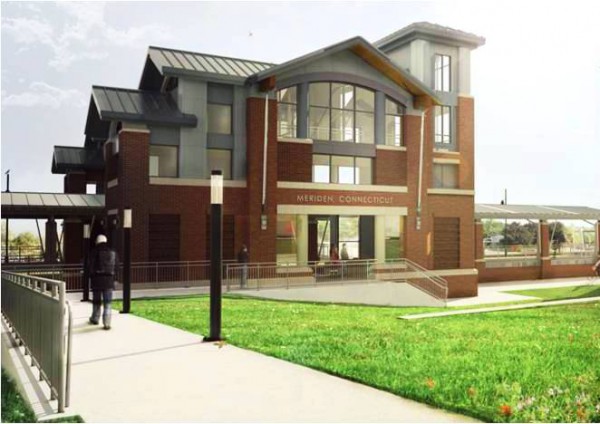
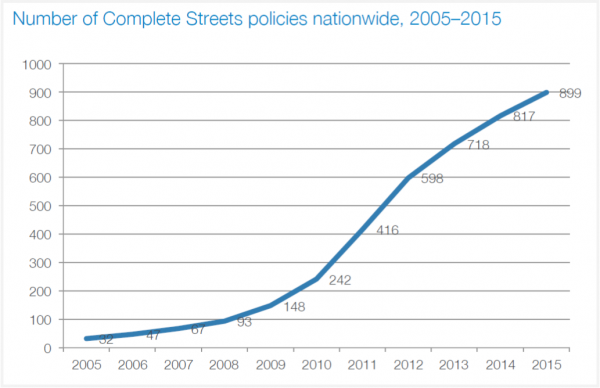
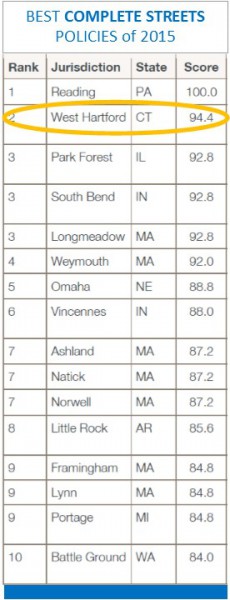 The U.S. Surgeon General and Secretary of Transportation both spoke out for more Complete Streets last year and Congress passed a transportation bill that included Complete Streets language for the first time ever.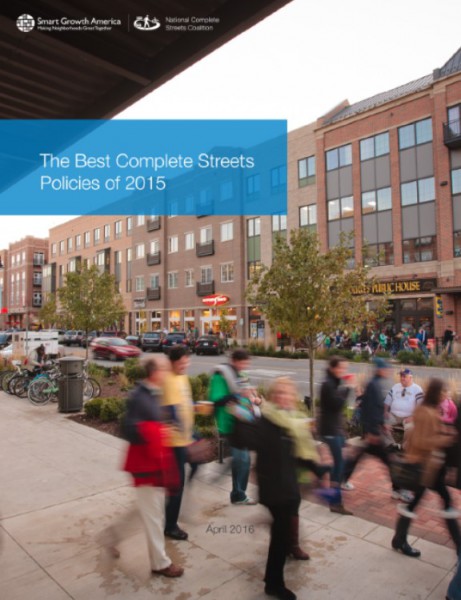
 arlier this year, the University of Connecticut released