State Energy Policy Needs Further Revisions, Environmental Advocates Say
/Connecticut Fund for the Environment has formally submitted its comments on the state’s draft 2017 Comprehensive Energy Strategy to the Connecticut Department of Energy and Environmental Protection. The plan is intended to shape the state’s energy policies and investments for the next three years.
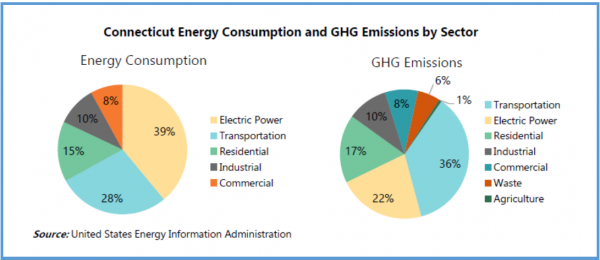
“The draft energy strategy includes some important recommendations that will reduce dependence on outdated fossil fuels, landfill gas, and biomass, but it still doesn’t map out how the proposed policies will put Connecticut on a path to achieve the greenhouse gas reduction targets of the Global Warming Solutions Act,” said Claire Coleman, climate and energy attorney at CFE.
The final CES should do the following to sustain Connecticut efforts to combat climate change, CFE urged:
- Incorporate a quantitative analysis of how its policies will achieve the emissions reductions necessary to meet Connecticut’s 2020 commitment under the Global Warming Solutions Act;
- Go forward, not backward, on renewable energy by proposing a more ambitious annual increase to the renewable portfolio standard, with the minimum goal of powering 45 percent of Connecticut’s needs from renewable sources by 2030;
- Recommend a full-scale shared solar program to allow access to renewable energy for the 80 percent of Connecticut residents who can’t install solar panels on their own roofs, and remove the proposed cap on behind the meter solar;
- Bring Connecticut’s energy efficiency investment in line with neighboring states;
- Create incentive and marketing programs to encourage consumers to switch to efficient heat pumps; and
- Rapidly get more electric vehicles on the road by strengthening the CHEAPR rebate program, expanding charging infrastructure, and establishing a regional cap-and-trade program for fuels to reduce emissions.

“Meeting these goals isn’t optional—it’s required under state law that’s been on the books now for almost a decade,” Coleman stressed. “State agencies and lawmakers need to get serious about rapidly ramping up renewables and energy efficiency, cutting emissions from cars and trucks, and clearly identifying how state policies will work together to meet the 2020 and 2050 targets. That’s what we’ll be looking for in the final plan.”
The Connecticut Electric Vehicle Coalition, of which CFE is a founding member, submitted its own comments last week. The coalition emphasized the urgency of more specific plans to get EVs on the road and meet the state’s commitments under the Zero Emissions Vehicle  Memo of Understanding to get have 150,000 EVs on Connecticut roads by 2025.
CFE, Consumers for Sensible Energy, RENEW Northeast, and Sierra Club also released an analysis by Synapse Energy Economics which concluded that a 2.5 annual increase in Connecticut’s renewable energy growth would yield significant public health, economic, and climate benefits. Increasing the Connecticut RPS to 2.5% per year, the report indicated, would add an estimated 7,100 additional jobs to New England between 2021 and 2030, or about 710 jobs per year.
The Sierra Club noted that “even the administration's own analysis shows the draft energy strategy is not sufficient to protect the climate, and that more clean energy would create jobs, grow the economy, and improve public health.”
 The company - FreshBev LLC - produces two primary lines of beverages - RIPE Craft Juice and RIPE Craft Bar Juices, bringing real fresh juice to the market, and connecting local farmers to consumers by using only ingredients that could be traced back to the grower and region.
 The results are making local history, and spreading. RIPE Craft Juices are available nationally through Whole Foods and select regional grocery chains.
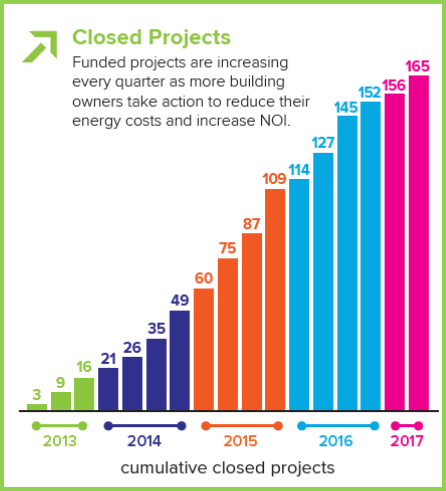 boilers, energy efficiency lighting measures, HVAC systems, and other energy improvements that help building owners to take control of their energy costs.
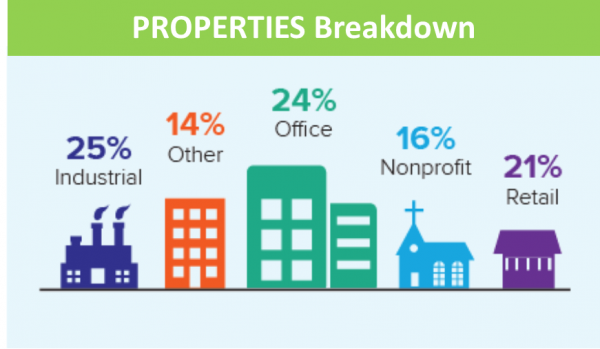 without the support of our contractors, capital providers, municipal officials, and other stakeholders who have contributed to the C-PACE movement,” said Mackey Dykes, Vice President of Commercial, Industrial and Institutional programs at the Connecticut Green Bank. “There is still significant potential for energy improvements for Connecticut businesses and non-profits, and we look forward to bringing cleaner and cheaper energy to more building owners across the state.”
 make the financing of clean energy deployment more accessible and affordable for consumers and businesses. In 2011 the state legislature created the Connecticut Green Bank, the nation’s first green bank. It uses public funds to attract private capital investment in green energy projects. By leveraging private investment, the Green Bank significantly increases the total amount of financing available for clean energy projects.

 Tesla is prohibited from selling directly in Connecticut, Michigan, Texas, and West Virginia, according to the company. There are about 1,300 Teslas registered in Connecticut, nearly two-thirds of the electric vehicles in the state, according to the state Department of Motor Vehicles.
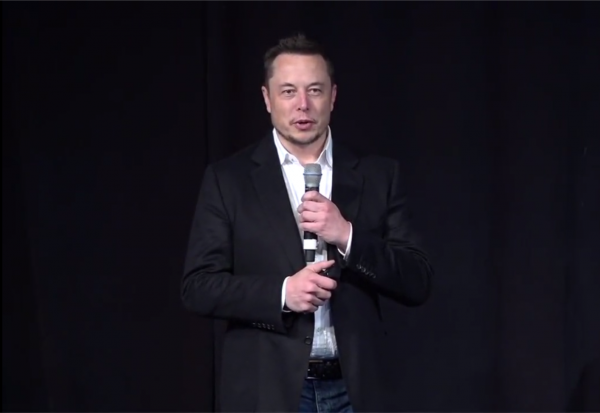 rding to the Treasurer’s Office. Representing the Connecticut Treasurer’s Office at the annual meeting, and presenting the proposal, was Aeisha Mastagni, a Portfolio Manager in the Corporate Governance Unit of the California State Teachers’ Retirement System. Overall, according to a U.S. Securities & Exchange Commission filing, 74.7 million shareholders voted against the proposal, with 32.7 million voting in favor.
 ess to the issue of childhood drownings. Steven Hernández,, Executive Director of the Commission on Women,
 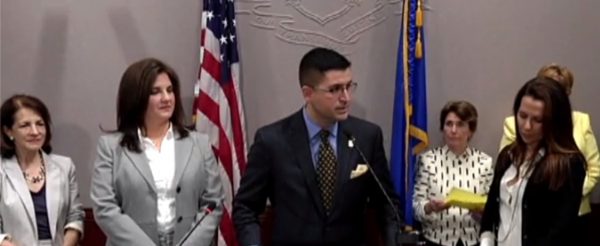 The statistics about children’s drowning deaths have not changed over time, implying that current strategies for prevention are not enough, officials said. Increasing children’s access to swim lessons, encouraging schools to teach water safety skills to students and giving parents easy-to-use and engaging tools to talk to their children about how to be safe around water are just a few actions that can have a big effect in reducing drowning rates, officials stressed.
 nts have been selected to receive the prestigious awards, including organizations and initiatives from



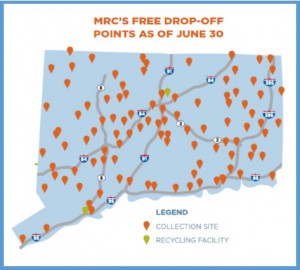
 The Mattress Recycling Council (MRC), a non-profit organization established by the mattress industry that created and manages the program in Connecticut, California and Rhode Island, presented its inaugural
 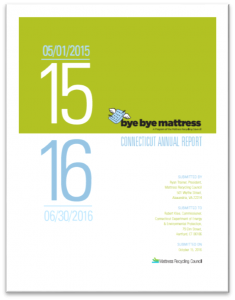 “We are pleased with the program’s productive start and will continue to work with city leaders, businesses and the state to improve the program, expand the number of communities served, and increase the volume of mattresses recycled,” said Ryan Trainer, President of MRC and the International Sleep Products Association.

 Studies show that there is no unmet demand for natural gas in Connecticut, opponents of the planned pipeline said, stressing that gas pipelines are routinely only half full now and electricity demand in New England has remained virtually flat over more than 10 years. Proponents have