The Worst Is Yet to Come: More Hurricanes Headed Our Way
/Expect more hurricanes in Connecticut, New England and the New York metropolitan area. That’s the take-away from an article published by the scientific website Massive by a fourth-year PhD student at Oregon State University researching microbial ecology. Michael Graw draws on a new study, led by climate scientists Andra Garner from Rutgers University’s Department of Marine and Coastal Sciences and David Pollard from Penn State’s Earth and Environmental Systems Institute, that found that “climate change might be having an additional, unexpected effect on hurricanes: they’re moving north, bound increasingly often for northern New England rather than the mid-Atlantic states.”
 The article points out that “the connection between climate change and hurricanes has become hard for anyone to ignore.”
The research by Garner and Pollard, Graw points out, indicates that only eight hurricanes in the last century have made landfall on the New England coast. That is in the process of changing. He recalls that “Sandy infamously ravaged the Connecticut coastline and caused $360 million in damages,” adding that “with the effects of potential future storms amplified by sea level rise and even higher wind speeds, that destruction could increase sharply from the next major storm.”
Commenting on the article, Anna Robuck, a Ph.D. student at the Graduate School of Oceanography at the University of Rhode Island, points out that “New England climate is noticeably in flux; the Northeast U.S. has experienced a 70 percent increase in heavy precipitation events between 1958 and 2010.” She warns that “public awareness regarding risks associated with extreme weather and climate change has yet to fully embrace the implications climatic shifts holds for the region."

Graw also points out that a research team led by the National Oceanic and Atmospheric Administration “looked at tropical storm tracks around the globe for the past 30 years, finding that tropical storms have slowly been shifting poleward in their respective hemispheres.” He concludes that “this suggests that climate change is disrupting the balance of atmospheric pressure between land and ocean.”
The result of the shifts? Increasing likelihood of New England-bound hurricanes.
A handful of hurricanes in the region are in the history books, but also still linger in many memories. The Great Hurricane of 1938 is renowned for the damage it caused, and is often considered the worst hurricane in New England history. Other notable hurricanes occurred in 1954, 1955, 1985, 1991, 2011 - and 2012. That year’s Superstorm Sandy was the second-costliest hurricane in United States history, with New York, New Jersey and Connecticut absorbing the worst of the storm.
Two weeks ago, Governor Dannel P. Malloy and officials from across state government highlighted the progress made over the last several years to strengthen resiliency and harden infrastructure from future potential storms, as severe weather has continued to severely impact our nation. On the fifth anniversary of Superstorm Sandy, officials said that while the state has "made significant progress on these fronts, more needs to be done to combat the impact of climate change, which has resulted in an increase in the frequency and power of storms."
Six state agencies - Housing, Economic Development, Labor, Transportation, Energy and Environmental Protection, and Emergency Services and Public Protection have each taken steps to initiative or strengthen preparedness and responsiveness in the event of another major storm.
"As the state continues to rebuild, we are doing so with the understanding that another storm of this magnitude could hit Connecticut again. Which is why we continue upgrading our infrastructure as well as rehabilitating and building homes that are more resilient to this type of storm," said state Housing Commissioner Evonne Klein. Added state Transportation Commissioner James P. Redeker: “Hardening Connecticut’s infrastructure – particularly our rail infrastructure which serves tens of thousands of people every day – has been a priority at the DOT for years now."
Gov. Malloy emphasized that the state has "taken a number of steps that are strengthening our resilience against future storms, including creating the nation’s first microgrid program, investing millions to hardening infrastructure along our shoreline to protect from flooding, designating thousands of acres of forest along our shoreline as open space that serve as a coastal buffer against storm waters, and we’ve made significant investments to protect housing in flood-prone areas.”
https://youtu.be/59IzWNOzzD8

 Memo of Understanding to get have 150,000 EVs on Connecticut roads by 2025.
 The company - FreshBev LLC - produces two primary lines of beverages - RIPE Craft Juice and RIPE Craft Bar Juices, bringing real fresh juice to the market, and connecting local farmers to consumers by using only ingredients that could be traced back to the grower and region.
 The results are making local history, and spreading. RIPE Craft Juices are available nationally through Whole Foods and select regional grocery chains.

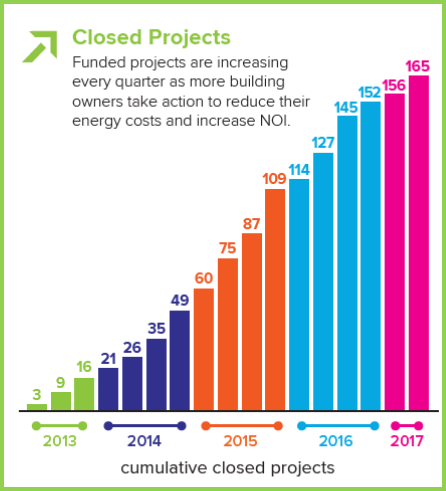 boilers, energy efficiency lighting measures, HVAC systems, and other energy improvements that help building owners to take control of their energy costs.
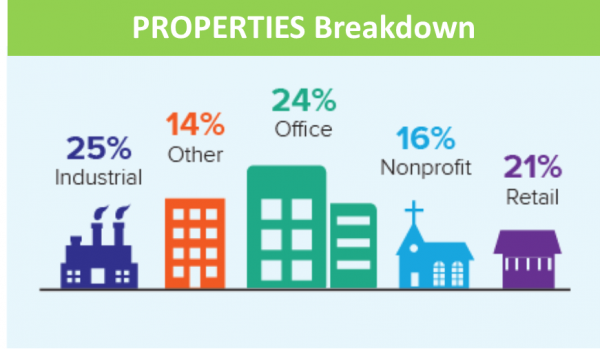 without the support of our contractors, capital providers, municipal officials, and other stakeholders who have contributed to the C-PACE movement,” said Mackey Dykes, Vice President of Commercial, Industrial and Institutional programs at the Connecticut Green Bank. “There is still significant potential for energy improvements for Connecticut businesses and non-profits, and we look forward to bringing cleaner and cheaper energy to more building owners across the state.”
 make the financing of clean energy deployment more accessible and affordable for consumers and businesses. In 2011 the state legislature created the Connecticut Green Bank, the nation’s first green bank. It uses public funds to attract private capital investment in green energy projects. By leveraging private investment, the Green Bank significantly increases the total amount of financing available for clean energy projects.


 Tesla is prohibited from selling directly in Connecticut, Michigan, Texas, and West Virginia, according to the company. There are about 1,300 Teslas registered in Connecticut, nearly two-thirds of the electric vehicles in the state, according to the state Department of Motor Vehicles.


 rding to the Treasurer’s Office. Representing the Connecticut Treasurer’s Office at the annual meeting, and presenting the proposal, was Aeisha Mastagni, a Portfolio Manager in the Corporate Governance Unit of the California State Teachers’ Retirement System. Overall, according to a U.S. Securities & Exchange Commission filing, 74.7 million shareholders voted against the proposal, with 32.7 million voting in favor.
 ess to the issue of childhood drownings. Steven Hernández,, Executive Director of the Commission on Women,
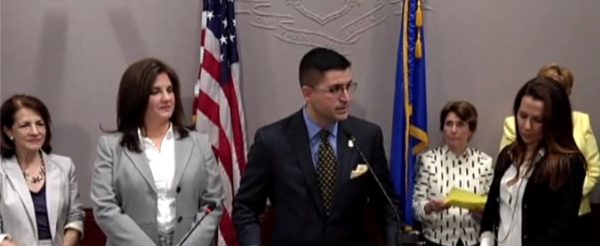 The statistics about children’s drowning deaths have not changed over time, implying that current strategies for prevention are not enough, officials said. Increasing children’s access to swim lessons, encouraging schools to teach water safety skills to students and giving parents easy-to-use and engaging tools to talk to their children about how to be safe around water are just a few actions that can have a big effect in reducing drowning rates, officials stressed.
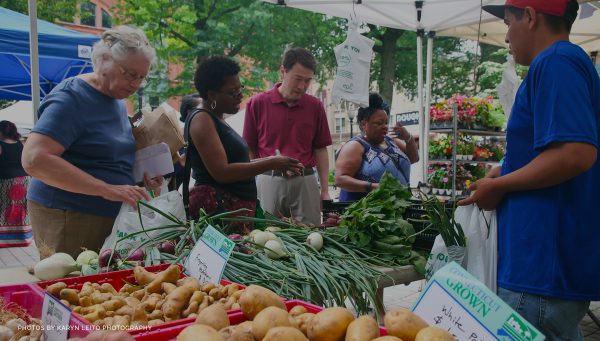 nts have been selected to receive the prestigious awards, including organizations and initiatives from




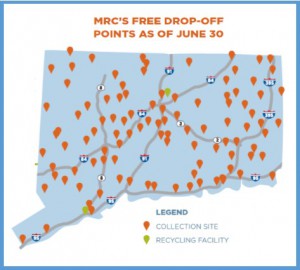
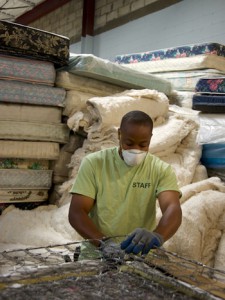 The Mattress Recycling Council (MRC), a non-profit organization established by the mattress industry that created and manages the program in Connecticut, California and Rhode Island, presented its inaugural
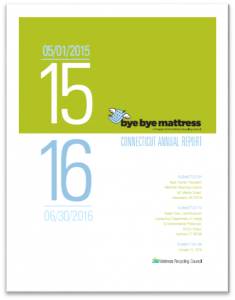 “We are pleased with the program’s productive start and will continue to work with city leaders, businesses and the state to improve the program, expand the number of communities served, and increase the volume of mattresses recycled,” said Ryan Trainer, President of MRC and the International Sleep Products Association.