
Statewide Sustainability Initiative to Launch Nov. 28 As Municipalities Take the Lead
/With momentum to accelerate sustainability practices in Connecticut, local and regional representatives from Connecticut’s 169 towns and cities, along with key agencies and businesses, have spent the past year developing Sustainable CT. The new statewide initiative will be formally launched at the end of this month with expectations of influencing sustainability practices across the state. Meeting for much of the past year, an Advisory Committee, consisting of state and municipal leaders , developed the initiative and adopted the overarching concept, “Sustainable CT communities strive to be thriving, resilient, collaborative and forward-looking. They build community and local economy. They equitably promote the health and well-being of current and future residents. And they respect the finite capacity of the natural environment.”
Created by towns and for towns, Sustainable CT aims to be a voluntary certification program to recognize Connecticut municipalities for making their communities more vibrant, resilient and livable. It includes approximately 55 best practices along with opportunities for grant funding. Towns may choose which actions they will implement to achieve differing certification levels. The program is designed to support all Connecticut municipalities, regardless of size, geography or resources.
Organizers say that sustainability actions, policies, and investments deliver multiple benefits and help towns make efficient use of scarce resources and engage a wide cross section of residents and businesses. The official launch of Sustainable CT will occur at the Annual Convention of the Connecticut Conference of Municipalities on November 28.
“Sustainable CT will foster creative thinking and problem solving within and between municipalities. It will be the tool communities can use to bring together seemingly divergent stakeholders for the common goal of sustainability,” said Laura Francis, First Selectwoman, Durham, and Vice-Chair of the Advisory Group.
Officials indicate that all of Connecticut’s 169 towns and cities have been represented in Sustainable CT’s development in some way, either by directly by a municipal official or staff person, by a highly engaged local volunteer, or by a regional entity charged with representing member municipalities.
The Sustainable CT framework includes:
- Sustainable CT is a roadmap of voluntary actions that will help municipalities be more sustainable.
- Resources and support, including funding, help local communities apply the actions that fit them best.
- The Sustainable CT Certification publicly recognizes municipalities for their sustainability achievements.
- Sustainable CT is flexible. Any Connecticut municipality can find ways to become more sustainable – urban or rural, big or small, coastal or inland.
Municipal leaders and residents from across the state, the Connecticut Economic Resource Center (CERC), Connecticut Conference of Municipalities (CCM) and others from key agencies, non-profits and businesses all partnered to help create the program. Burlington First Selectman Ted Shafer chaired the effort. A CCM Task Force on Sustainability, which included 15 mayors, first selectmen, and municipal officials, assisted the Advisory Committee.
CERC’s Courtney Hendricson, Vice President of Municipal Services, served on the Local Economies Working Group, chaired by Patrick Carleton, Deputy Director of the Metropolitan Council of Governments, and Thomas Madden, Director of Economic Development in Stamford. The working group helped to define actions municipalities can take to create or enhance economic development that fosters energy-efficient and clean-powered commercial and industrial buildings, supports local products and businesses, increases local jobs and revenues and promotes environmental and community well-being.
The Institute for Sustainable Energy at Eastern Connecticut State University coordinated the initiative. Support was provided by a funding collaborative composed of the Emily Hall Tremaine Foundation (EHTF), Hampshire Foundation and Common Sense Fund. Advisory Board members included, in addition to Shafer and Francis, Carl Amento, David Fink, Bryan Garcia, Emily Gordon, Donna Hamzy, Scott Jackson, John Kibbee, Rob Klee, Kurt Miller, Kristina Newman-Scott, Christine Schilke and Christina Smith.
 The article points out that “the connection between climate change and hurricanes has become hard for anyone to ignore.”



 Memo of Understanding to get have 150,000 EVs on Connecticut roads by 2025.
 The company - FreshBev LLC - produces two primary lines of beverages - RIPE Craft Juice and RIPE Craft Bar Juices, bringing real fresh juice to the market, and connecting local farmers to consumers by using only ingredients that could be traced back to the grower and region.
 The results are making local history, and spreading. RIPE Craft Juices are available nationally through Whole Foods and select regional grocery chains.
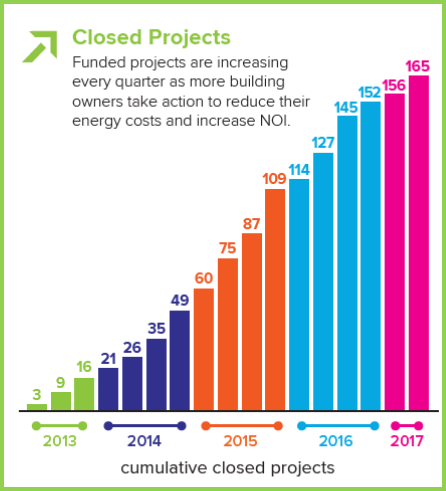 boilers, energy efficiency lighting measures, HVAC systems, and other energy improvements that help building owners to take control of their energy costs.
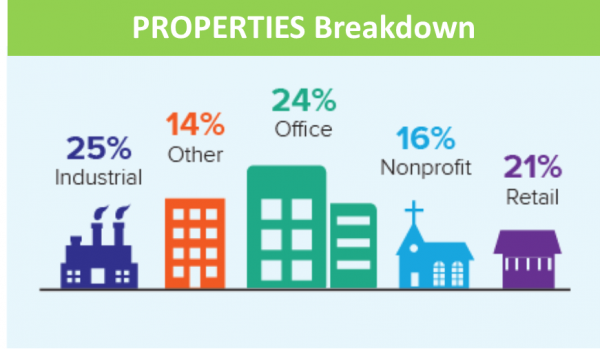 without the support of our contractors, capital providers, municipal officials, and other stakeholders who have contributed to the C-PACE movement,” said Mackey Dykes, Vice President of Commercial, Industrial and Institutional programs at the Connecticut Green Bank. “There is still significant potential for energy improvements for Connecticut businesses and non-profits, and we look forward to bringing cleaner and cheaper energy to more building owners across the state.”
 make the financing of clean energy deployment more accessible and affordable for consumers and businesses. In 2011 the state legislature created the Connecticut Green Bank, the nation’s first green bank. It uses public funds to attract private capital investment in green energy projects. By leveraging private investment, the Green Bank significantly increases the total amount of financing available for clean energy projects.


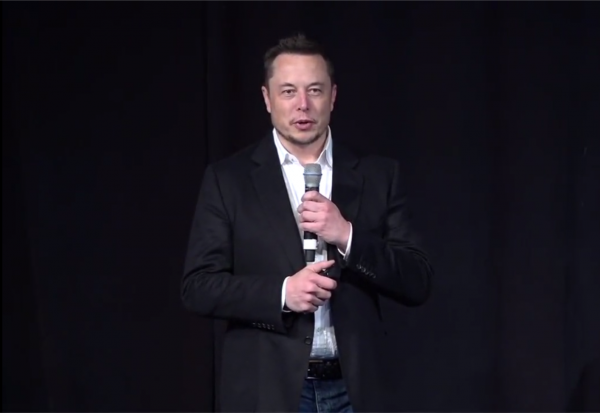
 Tesla is prohibited from selling directly in Connecticut, Michigan, Texas, and West Virginia, according to the company. There are about 1,300 Teslas registered in Connecticut, nearly two-thirds of the electric vehicles in the state, according to the state Department of Motor Vehicles.

 rding to the Treasurer’s Office. Representing the Connecticut Treasurer’s Office at the annual meeting, and presenting the proposal, was Aeisha Mastagni, a Portfolio Manager in the Corporate Governance Unit of the California State Teachers’ Retirement System. Overall, according to a U.S. Securities & Exchange Commission filing, 74.7 million shareholders voted against the proposal, with 32.7 million voting in favor.

 ess to the issue of childhood drownings. Steven Hernández,, Executive Director of the Commission on Women,
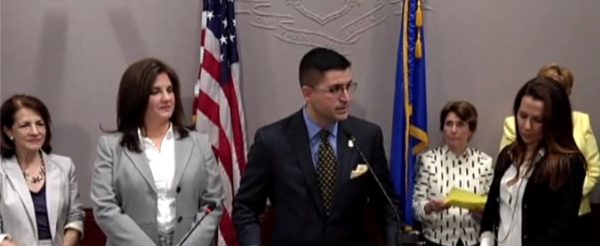 The statistics about children’s drowning deaths have not changed over time, implying that current strategies for prevention are not enough, officials said. Increasing children’s access to swim lessons, encouraging schools to teach water safety skills to students and giving parents easy-to-use and engaging tools to talk to their children about how to be safe around water are just a few actions that can have a big effect in reducing drowning rates, officials stressed.
 nts have been selected to receive the prestigious awards, including organizations and initiatives from