Most Valuable States in America: Connecticut Ranks #3
/A recent study estimates that the combined value of all land in the contiguous United States is worth nearly $23 trillion. The most valuable state, according to the survey, is California, which accounted for 17 percent of the total value of the 48 bordering states. New Jersey, however, had the most valuable real estate relative to its size, estimated at $196,400 per acre, or 16 times the average value per acre across the contiguous U.S. Connecticut ranked third overall. Although the third smallest state in the country, containing just over 3 million acres, Connecticut is also one of just four states where land is valued at over $100,000 per acre on average. By contrast, the estimated value of an average acre across the country is just over $12,000.
The study, authored by William Larson, senior economist at the Federal Housing Finance Agency and previously at the Bureau of Economic Analysis, estimated the value of different property types, including agricultural areas, federal land, and developed suburban and urban areas. The study is featured on the website 24/7 Wall St.
States with generally larger rural areas tended to have a lower value relative to their size, while more densely populated states that contain large urban centers had the highest estimated worth per acre. The value of Connecticut’s land is reflected in the higher cost of a house in the state. The typical house is worth $267,200, compared to a national median home value of $181,200, according to the analysis.
Key data for Connecticut includes:
- Value of land per acre: $128,824
- Total value: $400 billion (18th highest)
- Total acres: 3.1 million (3rd lowest)
- Percent land mass rural: 62.3% (4th lowest)
The top 10 “most valuable” states: New Jersey, Rhode Island, Connecticut, Massachusetts, Maryland, Delaware, New York, California, Ohio, and Pennsylvania. Next are Florida, Michigan, Illinois, Virginia, New Hampshire, South Carolina, Indiana, Washington, North Carolina and Tennessee.
 The analysis points out that the type of land in a given area has a significant impact on its worth. Agricultural and other largely undeveloped areas are generally worth significantly less than cities and suburbs land. Developed land, or land where housing, roads, and other structures are located, is valued at an estimated $106,000 per acre, while undeveloped land was estimated at $6,500 per acre, and farmland at only $2,000 per acre, according to the analysis.
That said, the analysis notes that it is not surprising that most of the states with the highest per acre land values are predominantly urban, such as New Jersey, Rhode Island, Connecticut, and Massachusetts. These Northeastern states are smaller and have less rural acreage “to bring the average value down.” The data reflects that the six most valuable states were also among the 10 smallest states by landmass. In New Jersey, for example, 39.7 percent of the area is considered urban, compared to a national urban share of just 3 percent.
The entirety of Delaware is worth just $72 billion, the second smallest total value compared to the other states in the lower 48, the analysis notes. On a per acre basis, however, the state is valued at $57,692 on average, the sixth highest in the country. Just behind Delaware is New York, with more than 30 million acres worth $41,314 each, on average. In total, the Empire State’s acreage is worth $1.25 trillion, based on the analysis. Because of the large rural areas in the state, the analysis explains, less than 10 percent of New York’s total area is considered developed. However, that developed property is so valuable it accounts for roughly two-thirds of the state’s total value.
All 10 of the states with the largest proportions of federally-owned land are west of Kansas, reflecting the way in large swaths of that land entered the United States at various junctures in U.S. history. The Louisiana Purchase and the conclusion of the Mexican-American War left considerable areas across the western United States in the hands of the federal government.
While less than 25 percent of all land in the lower 48 states is owned by the federal government, in Nevada, as one prime example, the third least valuable state by acre, 86.8 percent is federal, the highest share in the country. As a result, western states with a lot of federal land tend to have lower average values per acre. More than 30 percent of land in nine of the 15 “least valuable” states was federally-owned as of 2009.
 rs Commission. Replacing them will be the Commission on Women, Children and Seniors and a Commission that merges the Latino, African-American and Asian Pacific American Commissions.


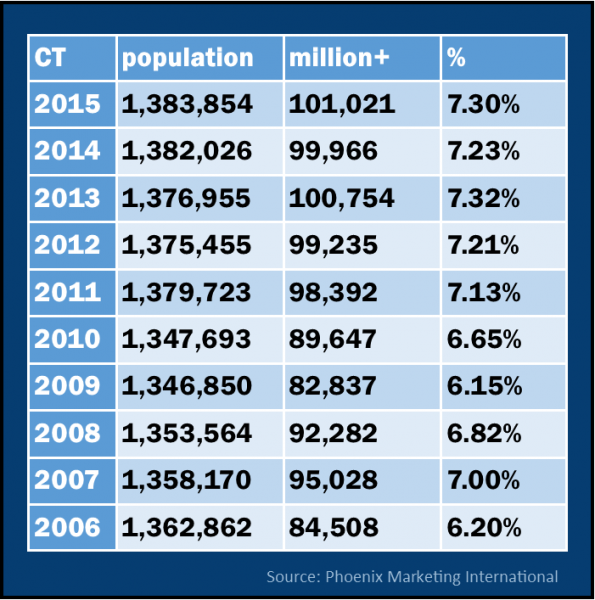
 The Latino and Puerto Rican Affairs Commission (LPRAC) was created by an act of the Connecticut General Assembly (CGA) in 1994. This 21 member non-partisan commission is mandated to make recommendations to the CGA and the Governor for new or enhanced policies that will foster progress in achieving health, safety, educational success, economic self-sufficiency, and end discrimination in Connecticut. As of 2014, the state’s Hispanic population exceeded 500,000, about 15 percent of the state’s overall population.
 ”
”

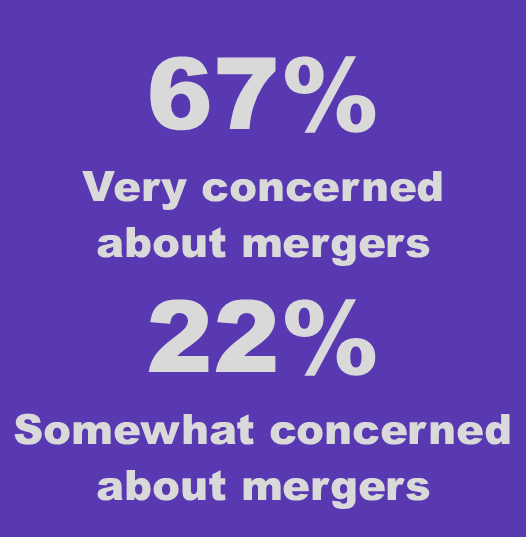 In addition to the public poll,
 He added, “We advised him that there are ways to be close to family and friends in Connecticut on occasion that are perfectly legal. We're trying to send a more welcoming message to the high earners as a group." Homeowners who spend more than 183 days in the state are considered residents for tax purposes.
 wealthiest individuals, had relocated from Greenwich to Florida, the second individual in that tax bracket to do so recently. The exits, the Courant reported, “leave Connecticut with 13 billionaires, including Ray Dalio ($15.6 billion) and Steven Cohen ($12.7 billion), both hedge fund owners who live in Greenwich.” Eight of those 13 state residents list Greenwich as their home address, according to

 Based on an inventory of the content and ease-of-use of states' transparency websites, the report assigns each state a grade of “A+” to “F.” The leading states with the most comprehensive transparency websites are Ohio, Michigan, Indiana, Oregon, and Connecticut, with each receiving an A+ grade.
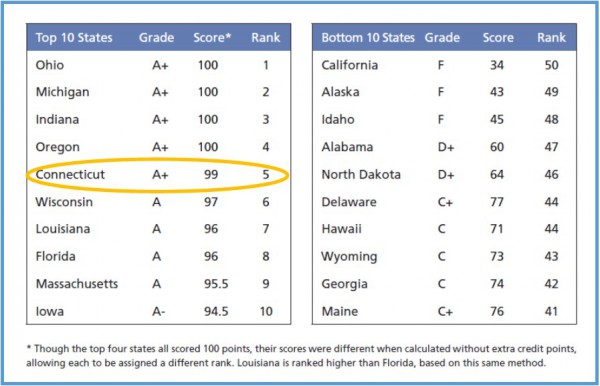 inue to improve, the states that most distinguished themselves as leaders in spending transparency are those that provide access to types of expenditures that otherwise receive little public scrutiny. Only 11 states- including Connecticut - provide checkbook-level information that includes the recipients of each of the state’s most important subsidy programs.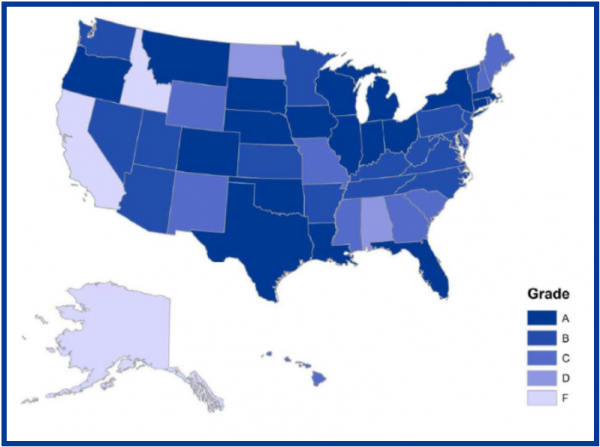


 In an article appearing in this week’s
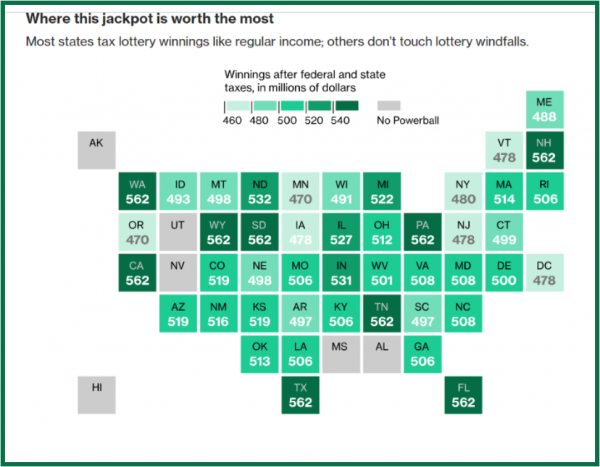
 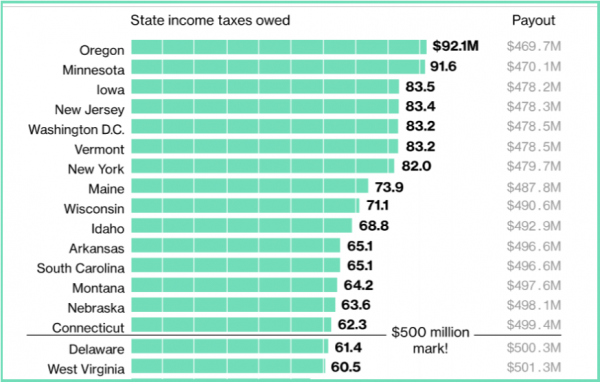 Connecticut’s take on such a jackpot would be 15th highest in the nation, among the states that do tax such winnings at various income tax rates. An analysis by Bloomberg found that the amount of state income taxes owed would be highest for residents of Oregon, Minnesota, Iowa, New Jersey, Washington D.C., Vermont, New York, Maine and Wisconsin.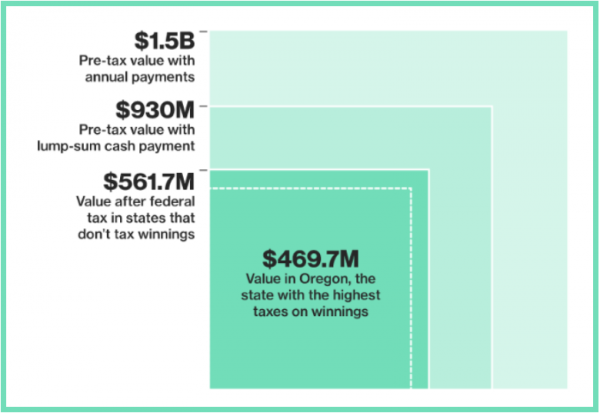
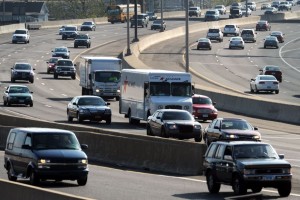 The issue brief indicated that a disadvantage of a distance toll system on all limited access highways in Connecticut would be that it “could create an incentive for people to use alternative roadways. The increased use of these roadways could shift the burden of maintenance and congestion to municipalities.” The advantage would be that distance tolls “could help to more efficiently allocate the cost of these roadways to drivers who use them the most.”
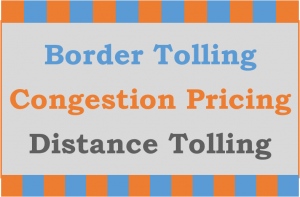 Congestion pricing, which provides for higher toll charges at peak traffic times, “helps to limit traffic on major roadways and create an incentive for people to use more environmentally friendly forms of public transportation,” the policy paper indicates. However, a congestion pricing system “could polarize roadway use by displacing low income commuters during peak driving hours. Congestion pricing could also create displacement effects whereby the increased use of local roadways could shift the burden of maintenance and congestion to municipalities.”