
Financial Cost to Connecticut Smokers Among Highest in the Nation
/The financial cost of smoking in Connecticut is higher than just about anywhere in the United States. The total cost over a lifetime per smoker is $2,183,204, the third highest in the nation, and the annual cost per year per smoker of $42,808, is also third highest in the nation, just behind New York and Massachusetts. The lifetime health care cost per smoker, $274,272 in Connecticut, is higher than every state but one, (Massachusetts), and the out-of-pocket cost per smoking individual of $170,513 for smokers living in Connecticut is third highest in the nation.
The data was compiled by the financial website WalletHub, where analysts calculated the potential monetary losses — including the cumulative cost of a cigarette pack per day over several decades, health-care expenditures, income losses and other costs — brought on by smoking and exposure to secondhand smoke. 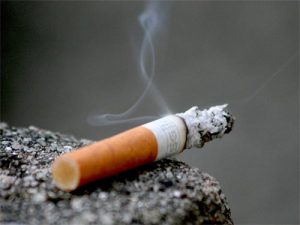
Emphasizing that “the negative physical and financial effects of smoking can be significant,” WalletHub noted that Connecticut’s rankings placed it as among the most costly in every category.
Over a lifetime, the financial opportunity cost for smokers living in Connecticut was $1.436,335 and the income loss per smoker was calculated at $286,950. Other costs per smoker, such as not being able to qualify for homeowner’s insurance discounts for non-smokers, were $15,133. In each instance, the costs in Connecticut were among the three highest among the 50 states and District of Columbia.
Annual income loss for Connecticut smokers is calculated at $5,626. Only Maryland, Alaska, New Jersey and D.C. were higher, according to the analysis. Attributable factors included absenteeism, workplace bias or lower productivity due to smoking-induced health problems. The website also noted that according to a recent study from the Federal Reserve Bank of Atlanta, smokers earn 20 percent less than nonsmokers, 8 percent of which is attributed to smoking and 12 percent to other factors.
For the calculations, WalletHub assumed an adult who smokes one pack of cigarettes per day beginning at age 18, when a person can legally purchase tobacco products in the U.S., and a lifespan thereafter of 51 years, taking into account that 69 is the average age at which a smoker dies. Data used in developing the ranking were collected from the U.S. Census Bureau, Bureau of Labor Statistics, Centers for Disease Control and Prevention, Insurance Information Institute, NYsmokefree.com, Federal Reserve Economic Data (FRED), Kaiser Family Foundation and the Independent Insurance Agents & Brokers of America.
In 2016, the American Lung Association gave Connecticut an “F” grade in its spending of tobacco prevention and control funds. The ALA points out that 40 states and Washington D.C. spend less than half of what the Centers for Disease Control and Prevention recommends on their state tobacco prevention programs. Overall, states spend less than two cents of every dollar they get from tobacco settlement payments and tobacco taxes to fight tobacco use. Each day, more than 2,600 kids under 18 try their first cigarette and about 600 kids become new, regular smokers, according to nationwide data from ALA.
A report on Connecticut's spending on tobacco prevention just over a year ago found that the state was being outspent over 67 times by tobacco companies' marketing efforts - due in large part to the state spending only a small portion of tobacco settlement funds on anti-smoking efforts.
 The report, “Broken Promises to our Children: A State-by-State Look at the 1998 State Tobacco Settlement 17 Years Later," said the state was spending $1.2 million in FY 2016 to fight tobacco use. That's compared to an estimated marketing investment of $80.4 million by tobacco companies in Connecticut that year. The national average shows a margin of 20.1 to 1. At that time, Connecticut ranked 38th in spending on a percentage basis. The state has consistently spend less than the CDC has recommended.
The annual report was developed by the Campaign for Tobacco-Free Kids (CTFK), a coalition that includes the American Heart Association, the American Cancer Society Cancer Action Network, the American Lung Association, the Robert Wood Johnson Foundation, Americans for Nonsmokers’ Rights, and the Truth Initiative.
A year later, the next report ranked Connecticut last, as Connecticut’s projected spending on smoke cessation and tobacco prevention efforts for FY 2017 dropped to zero. The report found that 13.5 percent of adult state residents are smokers, and 10.3 percent of high school students smoke. Just under 5,000 deaths each year are caused by smoking in Connecticut, and 27 percent of cancer deaths are attributable to smoking. Connecticut’s cigarette excise tax, $3.90 per pack, is the second highest in the nation. It was estimated that the state would collect $519.7 million in revenue this year from the 1998 state tobacco settlement and tobacco taxes, but will spend none of it on tobacco prevention programs.


 Tammy Sneed, Director of Gender Responsive Adolescent Services at Department of Children and Families and co-chair of DCF’s Human Anti-Trafficking Response Team, said: “Reports of children suspected to be victims of domestic minor sex trafficking are increasing every year -- and, in 2016, there were just under 200 such referrals. For every child victim, the number of buyers on a given day in Connecticut is unfathomable. Some children report 10 to 15 buyers per night, which leads us to estimate that a minimum of 2,000 buyers in Connecticut bought sex from children last year.”
 “Demand keeps sexual exploitation and trafficking profitable,” says Beth Hamilton, associate director of the Alliance to End Sexual Violence (formerly CONNSACS). “We’ve started seeing the criminal justice system hold traffickers responsible, but we do not often see the people who purchase sex being held accountable for their role in keeping the industry thriving. If we want to end commercial sexual exploitation, we need to focus on ending demand and creating survivor-centered services.”


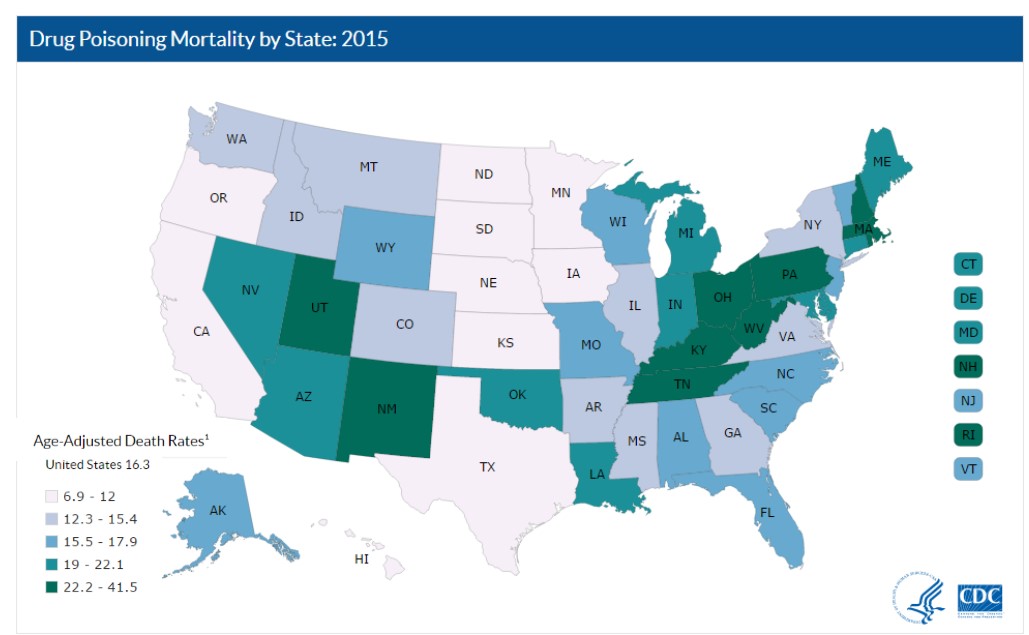 The five states with the highest rates of death due to drug overdose were West Virginia (41.5 per 100,000), New Hampshire (34.3 per 100,000), Kentucky (29.9 per 100,000), Ohio (29.9 per 100,000), and Rhode Island (28.2 per 100,000).
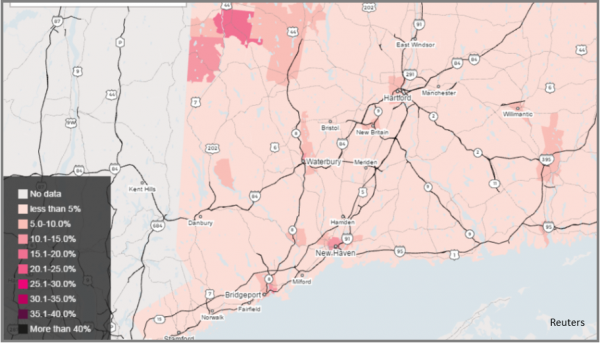
 The review and analysis found at least seven areas in Connecticut, based on zip code geography, where the percentage of children found to have elevated lead levels exceeded – more than doubled – the percentage in Flint.
 each year, the report indicated.

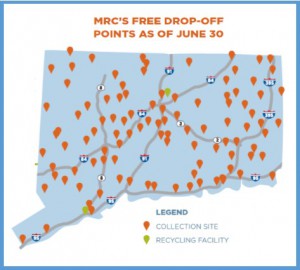
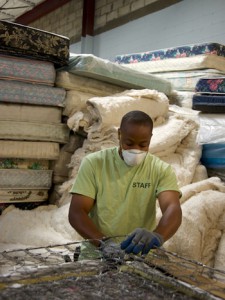 The Mattress Recycling Council (MRC), a non-profit organization established by the mattress industry that created and manages the program in Connecticut, California and Rhode Island, presented its inaugural
 “We are pleased with the program’s productive start and will continue to work with city leaders, businesses and the state to improve the program, expand the number of communities served, and increase the volume of mattresses recycled,” said Ryan Trainer, President of MRC and the International Sleep Products Association.
 explains. “Anyone can become a victim of abuse, but vulnerable older Americans — especially those who are women, have disabilities and rely on others for care or other type of assistance — are among the easiest targets for such misconduct.”
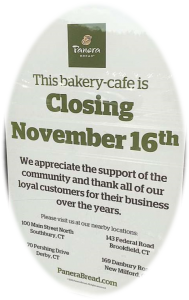
 As of June 28, 2016, there were 2,007 bakery-cafes in 46 states and in Ontario, Canada operating under the Panera Bread, Saint Louis Bread Co. or Paradise Bakery & Cafe names. Published reports indicate the company has 97,000 employees nationwide and saw a 3.4 percent growth in sales in its third quarter this year. In 2015, it reportedly generated roughly $2.7 billion in revenue. Founder and CEO Ron Shaich


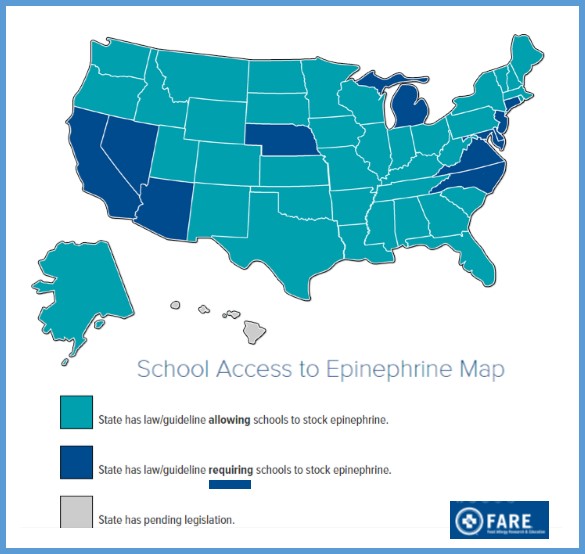
 In 2015 the legislature considered, but did not pass, a bill requiring the insurance commissioner to study and report on health insurance coverage of and out-of-pocket expenses for EpiPens, according to the OLR report. The 2014 legislation requires (a) schools to designate and train nonmedical staff to administer EpiPens to students having allergic reactions who were not previously known to have serious allergies and (b) the public health and education departments to jointly develop an annual training program for emergency EpiPen administration.