Lembo Develops Plan Aimed at Bringing Drug Costs Within Reach
/State Comptroller Kevin Lembo, after what was described as “exhaustive research and consultation with representatives across all sectors of the health care industry,” has developed a five-point plan to address “skyrocketing pharmaceutical drug costs.”
Lembo’s proposed legislation, which is to be considered by legislators in the five-month session that began earlier this month, aims to be comprehensive in addressing a range of interrelated issues. Those issues include requiring justifications for sharp price increases, establishing oversight of drug costs that exceed certain thresholds, ensuring that consumers benefit from rebate savings, promoting insurance plans that emphasize affordable co-pays and preventive care, and eliminating incentives that perversely encourage providers to prescribe the most expensive drugs.
“In a divided country,” Lembo said, “when we’re desperate to find common ground, virtually everyone can agree that prescription drug costs are out of control and must be fixed. This rise in patient cost share, combined with the rising prices of pharmaceuticals is creating a significant financial burden for Connecticut residents,” Lembo added, noting that “consumers are increasingly bearing a greater share of those costs.”
Lembo, who served as Connecticut’s first Healthcare Advocate prior to being elected State Comptroller in 2010, currently administers the state health plan on behalf of approximately 200,000 people. The plan includes:
- Require pharmaceutical manufacturers to justify launch prices and price increases over a certain threshold
To address rising drug prices that appear to be arbitrary and unjustifiable, Lembo proposes a requirement that when drug manufacturers increase prices beyond certain thresholds, (for example, list prices increase over 50 percent in the last five years or 15 percent in the last year or launch prices 30 percent or more above the average price for other drugs in a therapeutic class) they must provide the state with information about total costs for producing specific drugs and costs for research and development, marketing, different prices charged for the drug, total profit from specific drugs, research and development efforts that have not resulted in any approved drugs, details about discounts and rebates provided and, of course, a justification for the launch price or the price increase in question.
 The findings of a state review would be reported to the legislature and governor to evaluate the appropriateness of the price increases in question.
- Limit the launch price and annual increases of certain high cost drugs
Establish a working group to evaluate the potential of using the information reported above to regulate drug prices in certain egregious instances through the creation of a state-level drug price review board. The authority would review the launch prices of new drugs and annual increases of existing drugs that exceed certain thresholds. The working group should recommend a process for determining if the launch prices or price hikes are justified and recommend possible state actions to take when increases are deemed unjustified.
- Promote the adoption of value-based insurance design
The state Department of Insurance (DOI) and the state health exchange should be required to promote the adoption of plans that use a value-based insurance design. Value-based insurance for prescription drugs generally encourage medication adherence by reducing or eliminating co-payments and deductibles for drugs that help control chronic conditions. Better managed chronic diseases reduce in-patient hospital stays and emergency room visits by individuals with chronic diseases. The state employee plan has seen significant increases in medication adherence since adopting a lower co-pay structure for maintenance drugs through the state Health Enhancement Plan.
- Allow consumers to benefit from negotiated drug rebates.
Require health plans to base co-insurance and deductible payments on the net price of the drug, post rebate, rather than the list price, allowing the consumer to share in rebate savings negotiated by the pharmacy benefit manager or plan administrator. For certain highly rebated drugs the list price can be as much as three times more than the final price paid by a health plan after manufacturer rebates.
- Remove incentives for physicians to administer higher cost drugs.
In 2004, Medicare began to reimburse physicians 6 percent of the acquisition cost of drugs for administration. Commercial payers, which often base their reimbursement policies off Medicare, quickly followed suit. The new policy created a perverse incentive in which physicians were paid more for using more expensive drugs even when lower cost equally effective alternatives were available. It also incentivized drug manufacturers to significantly increase prices. As a result, many physician-administered drugs have seen massive price increases since 2004, with many oncology drugs well in excess of $100,000 per regimen. The state should require state-regulated insurance plans to completely delink the reimbursement for physician-administered drugs with the costs of the drugs administered in order to eliminate such perverse incentives.
“This plan emphasizes transparency, accountability and common-sense health care policy that puts quality and wellness for everyone above the corporate profits of big Pharma,” Lembo said in recommending the five-part plan.
Over the past several years, Lembo has been working with state leaders and Connecticut’s congressional delegation to investigate flaws in the pharmaceutical market and implement policies to address the problem. Last year, he co-hosted a forum at the State Capitol with the Connecticut State Medical Society (CSMS) that brought together physicians, pharmaceutical companies, academicians, patient advocates and other industry experts to address the skyrocketing cost of medications.
Lembo also serves on a working group of the NASHP (National Academy for State Health Policy), which recently issued a report recommending proposed state action, some of which is reflected in Lembo’s legislative proposal. The Office of the Healthcare Advocate, which Lembo led for six years a decade ago, is an independent agency that helps consumers when they have disputes with their health insurance company. They also educate people about their health care rights and serve as a watchdog over Connecticut’s healthcare marketplace.

 The report, “Broken Promises to our Children: A State-by-State Look at the 1998 State Tobacco Settlement 17 Years Later," said the state was spending $1.2 million in FY 2016 to fight tobacco use. That's compared to an estimated marketing investment of $80.4 million by tobacco companies in Connecticut that year. The national average shows a margin of 20.1 to 1. At that time, Connecticut ranked 38th in spending on a percentage basis. The state has consistently spend


 Tammy Sneed, Director of Gender Responsive Adolescent Services at Department of Children and Families and co-chair of DCF’s Human Anti-Trafficking Response Team, said: “Reports of children suspected to be victims of domestic minor sex trafficking are increasing every year -- and, in 2016, there were just under 200 such referrals. For every child victim, the number of buyers on a given day in Connecticut is unfathomable. Some children report 10 to 15 buyers per night, which leads us to estimate that a minimum of 2,000 buyers in Connecticut bought sex from children last year.”
 “Demand keeps sexual exploitation and trafficking profitable,” says Beth Hamilton, associate director of the Alliance to End Sexual Violence (formerly CONNSACS). “We’ve started seeing the criminal justice system hold traffickers responsible, but we do not often see the people who purchase sex being held accountable for their role in keeping the industry thriving. If we want to end commercial sexual exploitation, we need to focus on ending demand and creating survivor-centered services.”


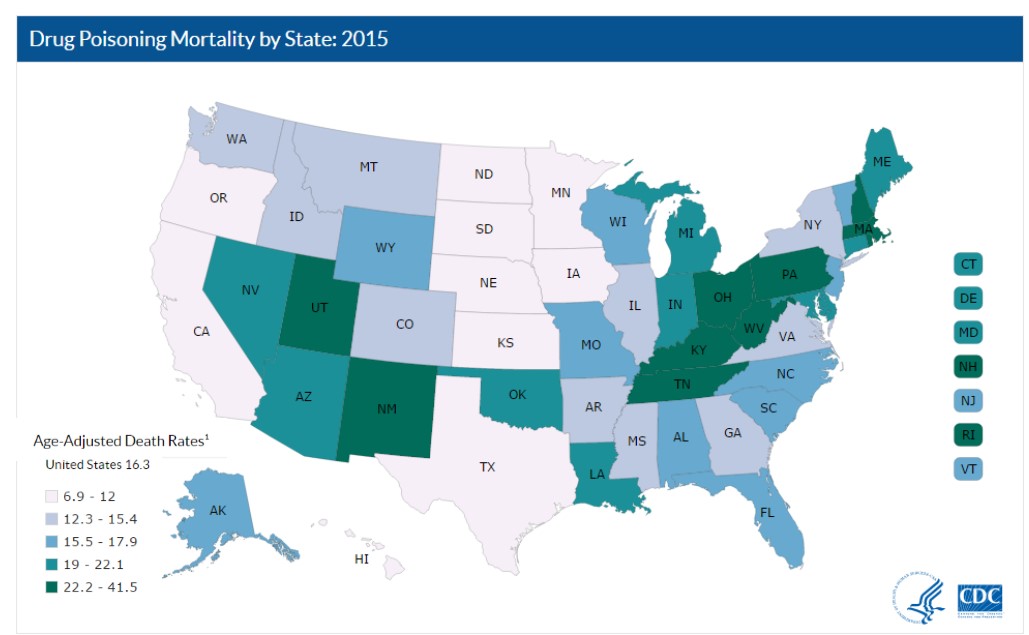 The five states with the highest rates of death due to drug overdose were West Virginia (41.5 per 100,000), New Hampshire (34.3 per 100,000), Kentucky (29.9 per 100,000), Ohio (29.9 per 100,000), and Rhode Island (28.2 per 100,000).
 The review and analysis found at least seven areas in Connecticut, based on zip code geography, where the percentage of children found to have elevated lead levels exceeded – more than doubled – the percentage in Flint.
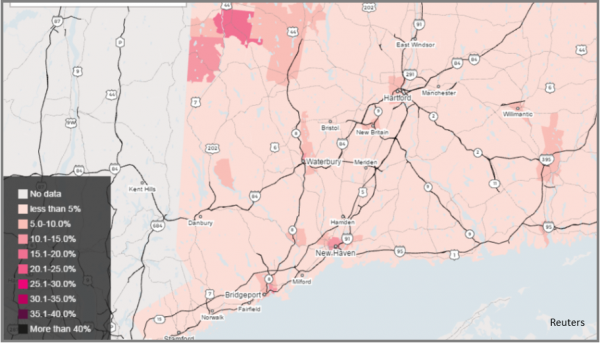
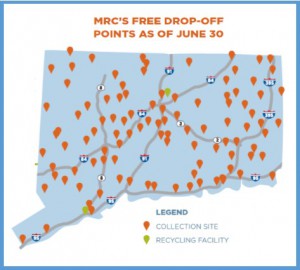
 each year, the report indicated.

 The Mattress Recycling Council (MRC), a non-profit organization established by the mattress industry that created and manages the program in Connecticut, California and Rhode Island, presented its inaugural
 “We are pleased with the program’s productive start and will continue to work with city leaders, businesses and the state to improve the program, expand the number of communities served, and increase the volume of mattresses recycled,” said Ryan Trainer, President of MRC and the International Sleep Products Association.
 explains. “Anyone can become a victim of abuse, but vulnerable older Americans — especially those who are women, have disabilities and rely on others for care or other type of assistance — are among the easiest targets for such misconduct.”
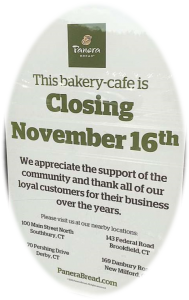
 As of June 28, 2016, there were 2,007 bakery-cafes in 46 states and in Ontario, Canada operating under the Panera Bread, Saint Louis Bread Co. or Paradise Bakery & Cafe names. Published reports indicate the company has 97,000 employees nationwide and saw a 3.4 percent growth in sales in its third quarter this year. In 2015, it reportedly generated roughly $2.7 billion in revenue. Founder and CEO Ron Shaich