CT Is 35th in Well-Being Among the States, Slipping Lower in Rankings
/Connecticut ranks 35th in well-being among the 50 states, according to a new Gallup-Healthways 2016 State Well-Being Rankings report. That’s a drop in the rankings for Connecticut, which averaged a 28th place finish over the past three years. In 2016, Connecticut had a Well-Being Index score of 61.7, which is lower than the national Well-Being Index score of 62.1. The report, which is part of the Gallup-Healthways State of American Well-Being series, examines well-being across the nation, including how well-being varies by state and which states lead and lag across the five elements of well-being. They are:
- Purpose — Liking what you do each day and being motivated to achieve goals
- Social — Having supportive relationships and love in one’s life
- Financial — Managing one’s economic life to reduce stress and increase security
- Community — Liking where you live, feeling safe and having pride in your community
- Physical — Having good health and enough energy to get things done daily.
Hawaii ranked the highest in well-being, followed by Alaska, South Dakota, Maine, Colorado, Vermont, Arizona, Montana, Minnesota and Texas. Hawaii’s 65.2 was the highest score in the past three years. Hawaii led the nation in financial, community and physical well-being. Alaska and Texas led thenation in social and purpose well-being, respectively.
West Virignia ranked the lowest, and other states at the bottom of the list included Oklahoma, Kentucky, Indiana, Arkansas, Ohio and Alabama.
In a category-by-category review, Connecticut ranked 13th in physical, 19th in social, 37th in financial, 45th in purpose, and 48th in community.
“[Well-being] can be a force multiplier to the bottom line by directly influencing healthcare costs, resilience, and retention as well as to the top line through factors such customer satisfaction, sales and innovation,” said Michael Thompson, the President and CEO of National Alliance of Healthcare Purchaser Coalitions.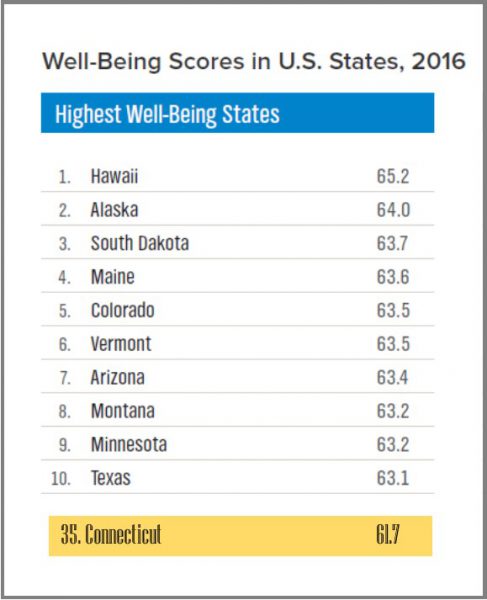
Well-being in the United States continues to exhibit regional patterns with the Northern Plains, Mountain West and some Atlantic states generally reporting higher levels, while states in the South and Midwest consistently lag in certain elements. The only New England state ranking lower than Connecticut was Rhode Island, at number 42. Rhode Island had the lowest social and community well-being categories. Massachusetts ranked 14th overall, improving from an average 20th place ranking in recent years.
Among the positive trends identified include historically low smoking rates (now at 18.0%, down from 21.1% in 2008); historically high exercise rates as measured by those who report they exercised for 30 minutes or more, three or more days in the last week; and the highest scores recorded on healthcare access measures, with the greatest number of Americans covered by health insurance and visiting the dentist. Americans are also reporting the lowest rates of healthcare insecurity since 2008, as measured by not being able to afford healthcare once in the last 12 months.
The report noted that married people have the lowest rates of depression (13.4%) and sadness (13.5%), and the highest rates of enjoyment (87.8%) and happiness (91.3%), compared to people from any other marital status. Adults with children living at home are more stretched emotionally, reporting more worry and stress on any given day, but also more happiness, smiling, and laughter.
In addition, the report noted that more Americans say they use their strengths on a daily basis, say their supervisor treats them like a partner, and creates a trusting and open environment than in any other year since 2008.

 The findings of a state review would be reported to the legislature and governor to evaluate the appropriateness of the price increases in question.
 The report, “Broken Promises to our Children: A State-by-State Look at the 1998 State Tobacco Settlement 17 Years Later," said the state was spending $1.2 million in FY 2016 to fight tobacco use. That's compared to an estimated marketing investment of $80.4 million by tobacco companies in Connecticut that year. The national average shows a margin of 20.1 to 1. At that time, Connecticut ranked 38th in spending on a percentage basis. The state has consistently spend

 Tammy Sneed, Director of Gender Responsive Adolescent Services at Department of Children and Families and co-chair of DCF’s Human Anti-Trafficking Response Team, said: “Reports of children suspected to be victims of domestic minor sex trafficking are increasing every year -- and, in 2016, there were just under 200 such referrals. For every child victim, the number of buyers on a given day in Connecticut is unfathomable. Some children report 10 to 15 buyers per night, which leads us to estimate that a minimum of 2,000 buyers in Connecticut bought sex from children last year.”
 “Demand keeps sexual exploitation and trafficking profitable,” says Beth Hamilton, associate director of the Alliance to End Sexual Violence (formerly CONNSACS). “We’ve started seeing the criminal justice system hold traffickers responsible, but we do not often see the people who purchase sex being held accountable for their role in keeping the industry thriving. If we want to end commercial sexual exploitation, we need to focus on ending demand and creating survivor-centered services.”


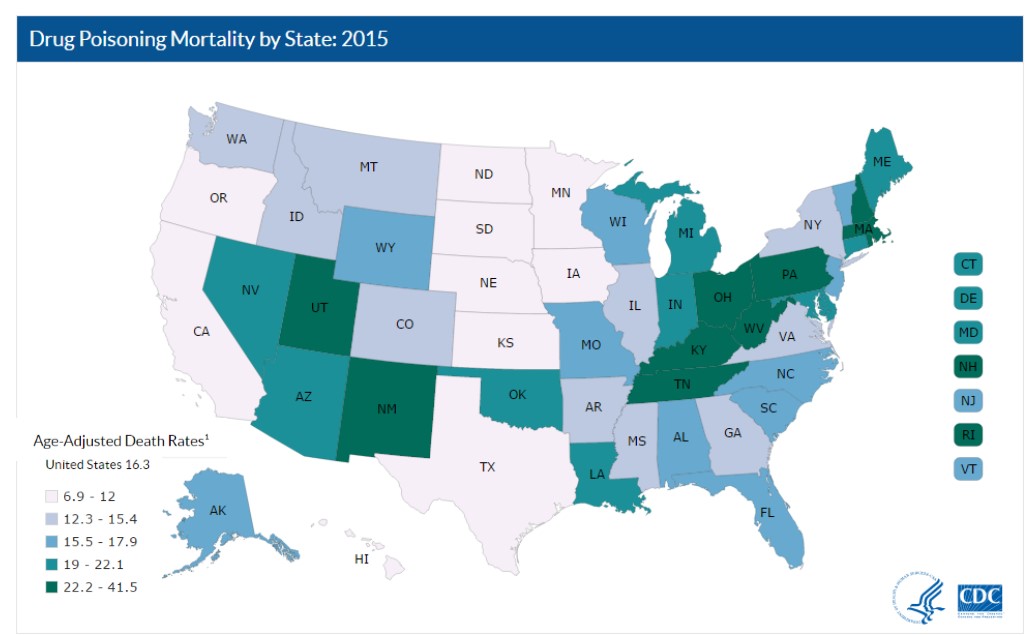 The five states with the highest rates of death due to drug overdose were West Virginia (41.5 per 100,000), New Hampshire (34.3 per 100,000), Kentucky (29.9 per 100,000), Ohio (29.9 per 100,000), and Rhode Island (28.2 per 100,000).
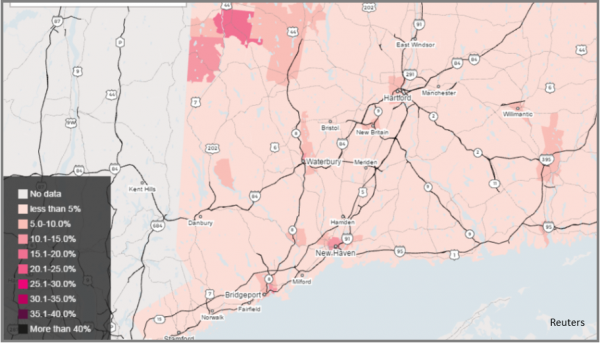
 The review and analysis found at least seven areas in Connecticut, based on zip code geography, where the percentage of children found to have elevated lead levels exceeded – more than doubled – the percentage in Flint.
 each year, the report indicated.
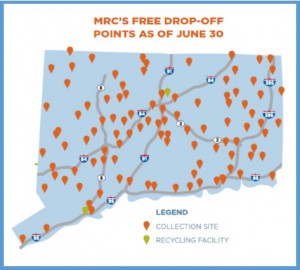
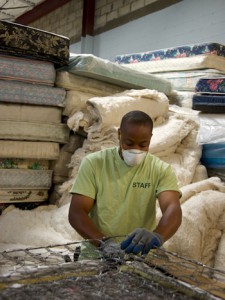 The Mattress Recycling Council (MRC), a non-profit organization established by the mattress industry that created and manages the program in Connecticut, California and Rhode Island, presented its inaugural
  “We are pleased with the program’s productive start and will continue to work with city leaders, businesses and the state to improve the program, expand the number of communities served, and increase the volume of mattresses recycled,” said Ryan Trainer, President of MRC and the International Sleep Products Association.
 explains. “Anyone can become a victim of abuse, but vulnerable older Americans — especially those who are women, have disabilities and rely on others for care or other type of assistance — are among the easiest targets for such misconduct.”