Cigna Recognized for Cultural Competency Efforts
/Health disparities directly and indirectly cost the U.S. economy $309 billion annually, and it is estimated that approximately 30% of direct medical costs for Blacks, Hispanics, and Asians are unnecessary costs resulting from health disparities, according to a paper prepared by Connecticut-based Cigna. Indirect costs, the paper points out, include lost work productivity and premature death.
The paper, focusing on Cultural Competency in Health Care, is part of an initiative by Cigna that has been recognized with an "Innovation in Advancing Health Equity Award" by the National Business Group on Health, which honored the insurer for its ongoing commitment to promoting health equity and reducing health care disparities in the workplace and community.
"Health equity exists when all people, regardless of race, gender, socio-economic status, geographic location, or other societal constructs have the same access, opportunity, and resources to achieve their highest potential for health. It is our hope that these companies provide an example and encourage other employers to advance health equity," said Brian Marcotte, president and CEO of the National Business Group on Health.
Cigna was recognized for its nationwide program, America Says Ahh, to improve preventive care and encourage regular check-ups. A key feature of the campaign is the TV Doctors of America preventive care advocacy campaign featuring five famous TV doctors. Among them is Alan Alda, best known for his role on M*A*S*H. Alda will be on Hartford on Saturday evening at The Connecticut Forum.
“For Cigna's network doctors and clinicians, we created and delivered an in-depth cultural competency training with an emphasis on engaging Hispanic patients, and produced an external white paper on Cultural Competency in Health Care,” said Peggy Payne, a leader within Cigna's Health Equity Strategy area.
 “The U.S. population is increasingly diverse. Cultural competency is essential to deliver health care services that meet the needs of each individual and improves overall health,” said Christina Stasiuk, D.O., National Medical Director for Health Equity at Cigna.
Racial and ethnic minorities currently make up about a third of the U.S. population, and are expected to become a majority by 2055, the paper points out, noting that:
- Hispanics will continue to make up the largest portion of the minority population
- The Asian population is expected to grow at the fastest rate between 2015 and 2055
- The foreign-born population will increase at a higher rate than the native born population, accounting for approximately 20% of the U.S. population by 2060
As the U.S. becomes more diverse, it is likely that more individuals will have limited English proficiency or will not adhere to Western cultural norms, which may contribute to greater health disparities, the Cigna paper points out.
“Reducing health disparities is a business and social imperative. Minority populations will likely become an increasing share of providers’ patient panels, employers’ workforces, and health plans’ customers, requiring that all stakeholders seek ways to promote health equity to improve health and access, reduce costs, and improve experience,” the Cigna paper emphasizes, suggesting employers can take to build cultural competency and improve health outcomes for all their employees by:
- Expanding their human resources leadership team to include experts in cultural competency and diversity
- Instituting multicultural staff representatives to support onsite health services, such as health fairs and open enrollment
- Seeking feedback from diverse groups of employees about their experiences as health care customers
- Providing materials and benefits information that are culturally competent, e.g., culturally adapted or language-specific
- Proactively gathering the demographic data of their workforce to measure and take action on health trends
- Collaborating with their health plan to better engage employees in their health
Cigna indicates that the company has “ongoing efforts to help ensure that Cigna staff is culturally and linguistically competent.”
The National Business Group on Health is the nation's only non-profit organization devoted exclusively to representing large employers' perspective on national health policy issues and helping companies optimize business performance through health improvement, innovation and health care management.
https://youtu.be/foL9gfbfweY

 “More than Food focuses on promoting healthy food in pantries and helping people access other resources to find a job. We’re proud to support a partnership that is trying to find a solution to the hunger problem,” said Chris Traczyk, executive director of the Farmington Bank Community Foundation. “It’s a comprehensive, collective-impact project.” Dr. Katie Martin, assistant professor and director of the Public Health Program at USJ, and her research team developed a nutrition stoplight system called Supporting Wellness at Pantries, or “SWAP”, which helps food pantry clients choose healthier foods.
 d childcare slots for fifteen percent of the county’s children ages 0 to 2, and enough subsidized slots to cover only twenty-two percent of these youngest children in low-income households.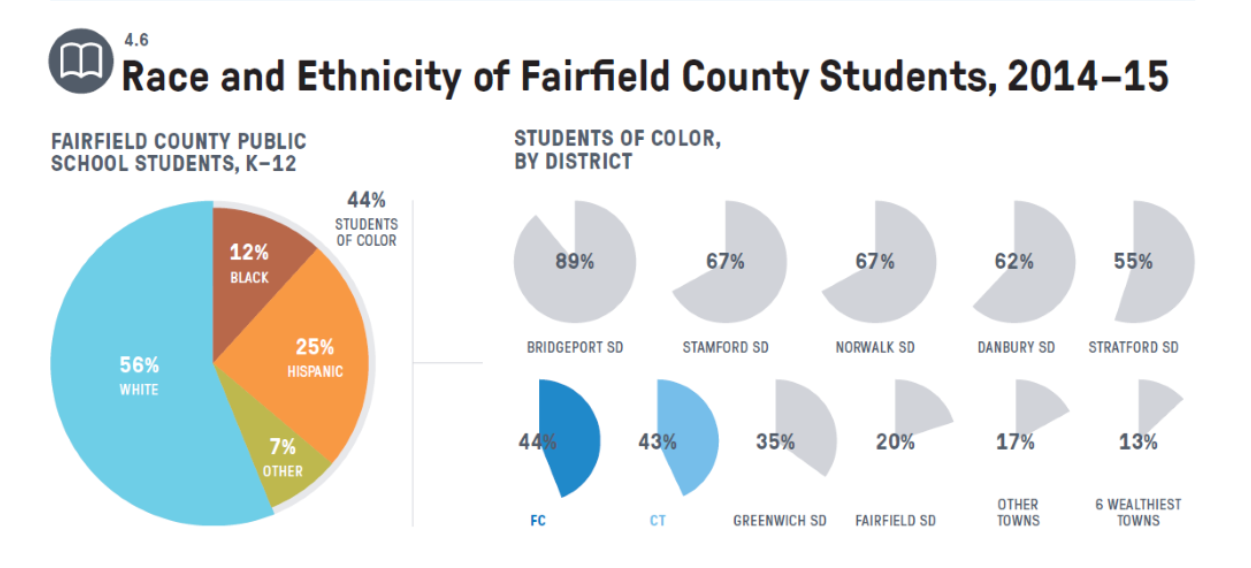


 ped the list in two additional categories: Lowest Percentage of Adults Who Experienced Pain in the Past Year Due to Oral Condition and Lowest Sugar-Sweetened Beverage Consumption Among Adolescents. The state also ranked in a tie for third for having the lowest percentage of elderly population with no natural teeth.
 serves as an expert resource on oral health policy; and publicizes oral health policy analysis and recommendations.
 The Connecticut Health Policy Project is a non-profit, non-partisan research and educational organization dedicated to improving access to affordable, quality health care for all Connecticut residents.
 “Unlike mental health consultation,” the report states, “overall health consultation is not supported with state level infrastructure and payments for health consultants to early Childhood Education sites. For private child care or preschool programs, the cost to hire a health consultant is borne by the program, with no system in place to ensure the quality of the CCHC workforce or ensure that health consultation is implemented to maximize the health and safety of children in child care.”

 The researchers say it’s important to look at the context in which foods are presented as well as the frequency, observing that the people they interviewed rarely noticed that food was mentioned in children’s books, nor what messages were being conveyed, UConn Today reported.