Suicide Numbers Increasing; Efforts Intensify to Respond, Prevent
/The Centers for Disease Control and Prevention (CDC) released a report this year that suicide rates nationally jumped by 25 percent since 1999, a finding that “shocked” even experts who believed the rate had been flat. Each year, more than 41,000 individuals die by suicide, leaving behind their friends and family members to navigate the tragedy of loss, according to the National Alliance on Mental Illness. Connecticut's rate, 9.7 deaths per 100,000, rose 20 percent during that time, and 49 states saw an increase, according to the CDC. Connecticut’s suicide rate, is ranked number 46 in the country.
Suicide is the 10th leading cause of death in the U.S. with one occurring on average every 13.3 minutes. September is National Suicide Prevention Month.
For every suicide, there are 30 people who made the attempt, Dr. James F. O'Dea, vice president of the Behavior Health Network of Hartford Healthcare, recently told the Meriden Record-Journal. The U.S. Health Resources & Services Administration reports that “approximately 45% of suicide victims had contact with primary care providers within 1 month of suicide.”

“Connecticut suicide rates may have not have increased as much in comparison to other states, but isn’t the real question, ‘Why is it increasing at all?’” Luis Perez, president and CEO of Mental Health Connecticut, told The Hartford Courant earlier this year.
“It’s been well-researched that most people who die by suicide do so because they want the pain to stop — and they don’t see any other way,” Perez said. “Prevention is critical. Knowing the safe and right way to talk to someone who may have thoughts of suicide and letting people know they are not alone, that millions of people struggle with suicide ideation is key.”
According to the state Department of Public Health, approximately 31 percent of victims had a history of treatment for mental illness and 42 percent had previously attempted or thought about suicide or disclosed their intent to commit suicide. The CDC offers 5 steps to help someone at risk: 1. Ask. 2. Keep them safe. 3. Be there. 4. Help them connect. 5. Follow up.
The U.S. government’s anti-bullying website, stopbullying.com, points out that “many issues contribute to suicide risk, including depression, problems at home, and trauma history. Additionally, specific groups have an increased risk of suicide, including American Indian and Alaskan Native, Asian American, lesbian, gay, bisexual, and transgender youth.” The site indicates that “this risk can be increased further when these kids are not supported by parents, peers, and schools. Bullying can make an unsupportive situation worse.”
Matt Riley, Chief Operating Officer of the Connecticut-based Jordan Porco Foundation, recently told WTNH-TV that suicide is the second leading cause of death for Americans ages 15 to 24. One in ten college students and one in five high school students consider suicide. Young people considering suicide are most likely to talk to peers, so the Jordan Porco Foundation focuses on peer-to-peer outreach and awareness, with a series of successful program initiatives on college campuses in Connecticut and across the country.
In recent years, a new student-driven primary prevention program was piloted to help high school students develop positive coping skills and enhance protective factors in preparation for life beyond high school. Schools and organizations participating included Manchester High School, Immaculate High School in Danbury, Enfield Public Schools, Capital Preparatory High School in Hartford, Institute of Living in Hartford, Jewish Family Services in West Hartford, Wilton High School, Boys & Girls Club of Bristol, and Guilford Youth & Family Services.
Numerous organizations across Connecticut offer Mental Health First Aid, an 8-hour training to teach participants how to help someone who is developing a mental health problem or experiencing a mental health crisis. The evidence behind the program demonstrates that it helps trainees identify, understand and respond to signs of mental illnesses and substance use disorders. The course is often offered to participants free of charge.
https://youtu.be/TT_HLG5FkKA
https://youtu.be/jl87bmuCTdM
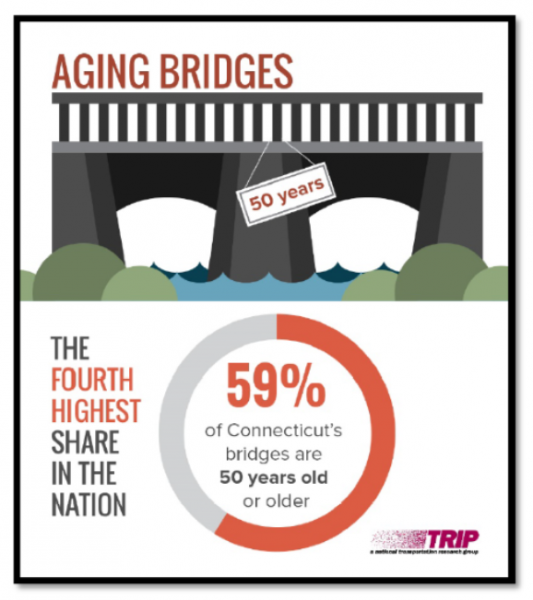 Yesterday, it was announced that 59 percent of Connecticut’s more than 4,000 bridges are 50 years or older, the fourth highest rate in the nation. The average age of all Connecticut’s bridges is 53 years, while the average age of the state’s 308 structurally deficient bridges – seven percent of the total - is 69 years. Structurally deficient bridges in Connecticut are crossed daily by 4.3 million vehicles.
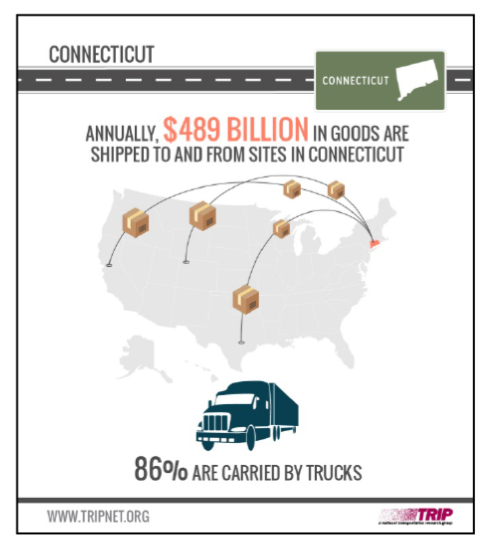 The report also noted that “annually, $489 billion in goods are shipped to and from sites in Connecticut, largely by truck,” adding that “approximately 731,000 full-time jobs in Connecticut in key industries like tourism, retail sales, agriculture and manufacturing are completely dependent on the state’s transportation network.”
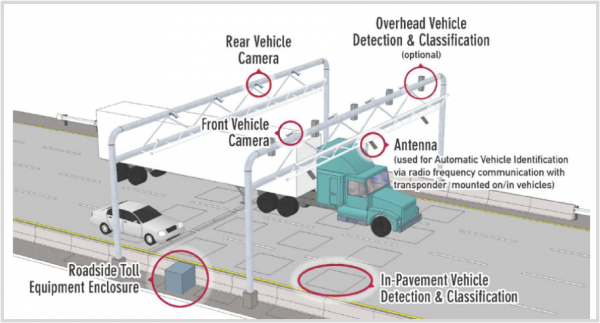
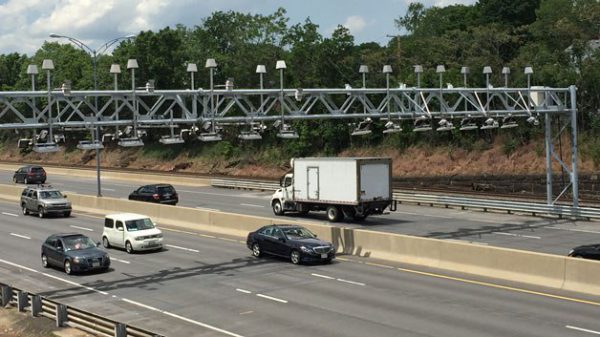 The Indianapolis Star reported earlier this summer that the state signed a $9.6 million contract with HNTB Indiana Inc. to study the impact of tolling and provide project planning if the state chooses to move forward with tolling. The administration of Gov. Eric Holcomb is required to study tolling under a road-funding plan lawmakers passed in 2017, but a decision has not been made on whether the state will go forward with authorizing a tolling plan, according to published reports.




 The ranking saw Davis and Berkeley California named the safest cities for bicyclists, followed by Boulder, Colorado; Eugene, Oregon; Palo Alto, Chico, and Mountain View, California; Fort Collins, Colorado; Santa Barbara, California, and New Haven. Minneapolis ranked number 12.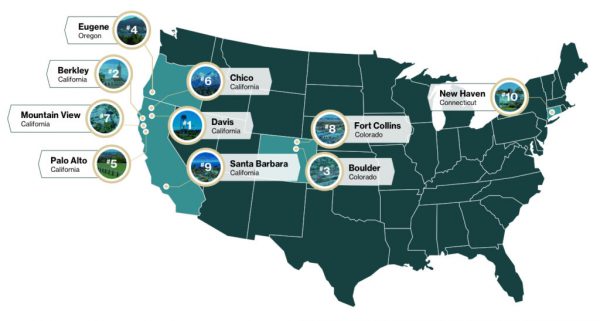
 The purpose of the pilot program, according to OPM, is to encourage and allow for the testing of fully autonomous vehicles (FAV) on local highways in Connecticut. The goal for the pilot program is to allow a variety of FAV testing to occur in four municipalities throughout the state, bringing Connecticut to the forefront of the innovative and burgeoning autonomous vehicle industry.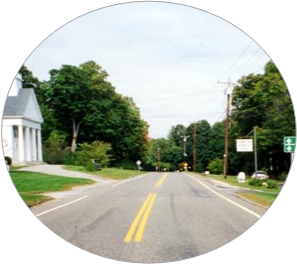
 The state law outlines a framework of the minimum requirements to be included in agreements between municipalities and autonomous vehicle testers approved for participating in the Fully Autonomous Vehicle Testing Pilot Program (FAVTPP). The Connecticut law, according to the
  3 Seconds Behind the Wheel, which debuts on Connecticut Public on Thursday evening, is a new
  The film also gives audiences a firsthand look at emerging technologies that could one day offer solutions to rising crash statistics. The documentary follows researchers at Google who are using driving simulators to develop next-generation in-car infotainment systems, and explores how one Swedish company is experimenting with technology that could one day allow cars to understand human feelings and make driving decisions based on individual needs.