Conversation in the Digital Age: Panel of Experts Will Discuss How We’re Changing
/The topic of the evening is an exploration of conversation in the digital age, as two Hartford institutions come together to bring some perspective to how we communicate in the age of technology, and how we don’t.
On Wednesday, May 4, The Connecticut Forum in partnership with the Mark Twain House & Museum will present DISCONNECT: Conversation in the Digital Age. The event is described as an (old-fashioned) conversation with three nationally-recognized digital experts to discuss “how social media and our ubiquitous devices have impacted the art of authentic conversation.” They pose the question: if conversation is how we truly connect to others, what happens when face-to-face communication decreases?
The panel will feature Dr. David Greenfield from the Center for Internet & Technology Addiction, Slow Tech Movement founder Janell Burley Hofmann, and tech ethicist David Ryan Polgar. Jamie Daniel, director of programming at The Connecticut Forum, will moderate the conversation.
Polgar says that opportunities for fluid conversations have diminished, to our detriment. “We have adapted technology faster than we can adjust our norms or our etiquette. Do we ever have a prolonged conversation anymore? There’s a difference between communication and conversation,” he suggests.
“We’re constantly packaging ourselves – exercising brand management in our conversations,” he observes. “We’re so plugged in, we don’t do eye-to-eye communicating much anymore – there’s a need to increase facetime in our communication.”
Polgar is a frequent speaker and respected tech commentator/writer, and has been featured in The Boston Globe, Financial Times, BBC, SiriusXM, Sydney Morning Herald, VentureBeat, US News & World Report, TEDx, and Forbes, among other publications. He is also co-founder of the Digital Citizenship Summit, a global network of summits focused on safe, savvy, and ethical use of social media and technology. With a background as an attorney and educator, he examines tech use from an ethical, legal, and emotional perspective, providing a unique look into emerging trends and business insight.
“We’re thrilled to collaborate with the Twain House on this timely event,” said Connecticut Forum Executive Director Doris Sugarman. “We welcome opportunities like this to facilitate and encourage dialogue about compelling topics that impact our communities and our lives.”
Individuals planning on attending can send in a question in advance of May 4, via a link that provides a form for questions to be directed at a specific panelist, or the entire panel.
Janell Burley Hofman is the author of the book, iRules: What Every Tech-Healthy Family Needs to Know About Selfies, Sexting, Gaming and Growing Up. She is also a speaker and consultant on topics like technology, media, health, relationships and personal growth. She will be signing copies of her book after the program.
Dr. David Greenfield is the founder of The Center for Internet and Technology Addiction and an Assistant Clinical Professor of Psychiatry at the University of Connecticut School of Medicine. He is recognized as one of the world’s leading voices on Internet, computer, and digital media behavior, and a pioneer concerning compulsive and addictive use. He is the author of the Virtual Addiction, which rang an early warning bell with tech overuse when it came out in 1999. He lectures to public and medical/psychiatric groups throughout the world, and has appeared numerous times on national media and publications.
“I am looking forward to hearing from this panel of experts on questions that we consider every day,” said Jamie Daniel, Director of Programming at The Connecticut Forum, who will be moderating the discussion. “How is technology changing the way we make friends, fall in love, and parent our kids? How is our online discourse impacting the way we engage in politics? Connect with one another? Shape our communities? And how is social media changing our relationships - and our brains? This amazing panel will help us consider all of this, and more.”
-----
The Connecticut Forum is a (c)(3) nonprofit organization serving Connecticut and beyond with live, unscripted conversations among renowned experts and celebrities, and community outreach programs including the Connecticut YOUTH Forum. The Mark Twain House & Museum has restored the author's home, where the author and his family lived from 1874 to 1891. In addition to providing tours of the National Historic Landmark, the institution offers activities and educational programs that illuminate Twain's literary legacy and provide information about his life and times.
Tickets for DISCONNECT are $10. ($5 for Mark Twain House & Museum members and Connecticut Forum subscribers) The program on Wednesday, May 4 begins at 7 PM. Photo: (l to r) David Greenfield, Jannell Hofmann, David Ryan Polgar.
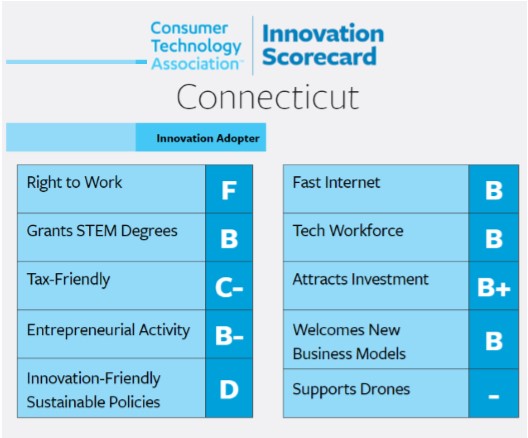
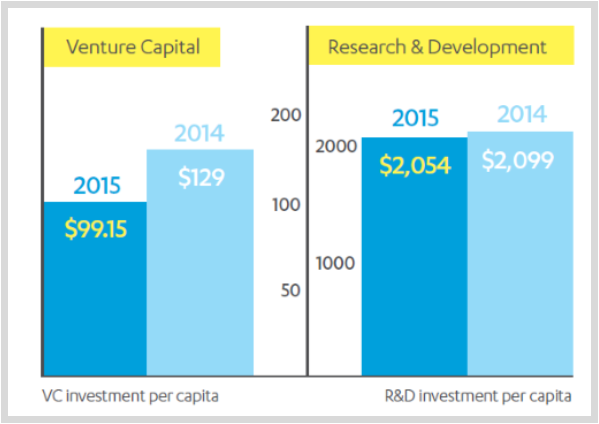 The report also highlights an area of decline in Connecticut: “Over $100 million of venture capital left Connecticut in 2015, causing the state to lose ground after earning an ‘A-’ in the category in the inaugural 2015 Scorecard. Connecticut should improve its tax code, which is among the least growth-friendly in the country, and reform regulations that stifle innovation.”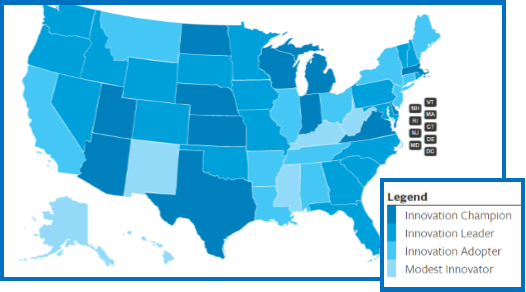



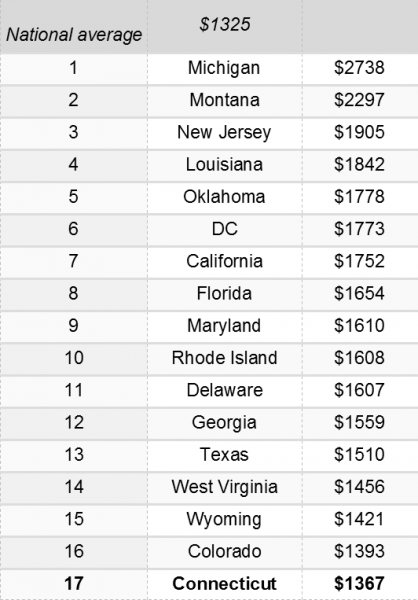
 The national average for a full-coverage policy as featured in the Insure.com report came in at $1,325 this year – a slight increase from last year’s average of $1,311. Rates varied from a low of $808 a year in Maine to a budget-busting $2,738 in Michigan. Insurance rates in Michigan are more than double (107 percent) the national average.
 "There are some things that state governments can do to make their states more attractive to research and development," including R&D tax credits, Nariman Behravesh, chief economist at IHS Inc. in Lexington, Massachusetts told Governing magazine. "State governments — if they carefully target areas where they think they have a bit of a competitive advantage — they could develop a cluster around their universities, as well."

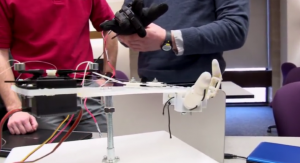
 ents currently working on the Hartford Hand initiative. Each week, Welch and colleagues Yonathan Moshayev, Jake Green, Amber Sayer, and Stephen Sousa, spend several hours improving the current design to make the unique Hartford Hand a reality for patients.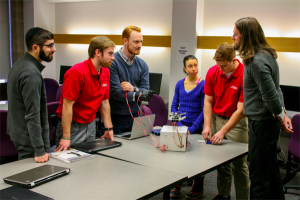




 Also making the list were Evariant of Farmington, a software developer, at number 272, and HP One, a software company in Trumbull at number 307. Biopharmaceutical company Alexion, in the midst of moving its headquarters from Cheshire to New Haven, was ranked at number 349, and etouches, a Norwalk software company ranked at number 357. Rounding out the Connecticut companies on the list is Wallingford oil extraction technology company APS Tecnhology, at number 466.
 rough technology’s continued disruption and proliferation across industries,” said Sandra Shirai, principal, Deloitte Consulting LLP and US technology, media, and telecommunications leader.
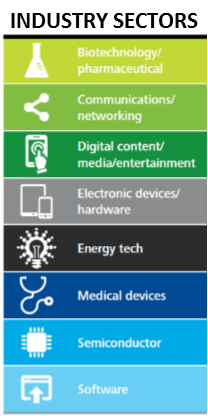 Overall, 283 of the 500 companies were in the software sector, and 67 percent of the 500 companies have received venture capital funding at some point in their company’s history. Topping the list was StartApp, with a growth rate of 21,984 percent from 2011 to 2014. Based in New York and founded in 2010, StartApp provides a free monetization and distribution platform that integrates with applications on mobile devices.
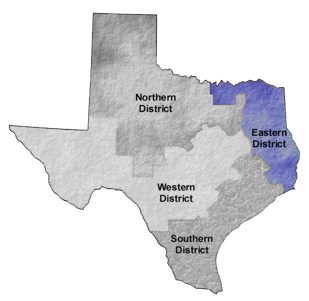 While action to combat the rapidly escalating challenge to businesses of every size has been unable to navigate through a divided Congress, the problem is growing. One jurisdiction in particular is a hospitable home for the legal attacks. Federal court in the Eastern District of Texas is the epicenter of patent troll litigation, and nearly 50 Connecticut companies are among those hauled into court there under dubious circumstances.