Transportation Infrastructure in CT Among Nation's Worst; Including Structurally Deficient Highway Bridges
/When the Mianus River Bridge on Interstate 95 in Greenwich collapsed 35 years ago, killing three motorists and putting an unprecedented focus on road and bridge infrastructure in Connecticut, it was apparently not preceded by public warnings about the poor condition of the state’s roads and bridges. Today, the warnings are abundant, in Connecticut and elsewhere, including a new ranking which underscores that New England and the Northeast are the epicenter for transportation infrastructure in need of improvement.
The latest comes from a ranking developed by CNBC, which found that 73 percent of Connecticut roads are in bad shape, giving the state a grade of D, while noting that nearly 8 percent of Connecticut's bridges are deficient. Data from the American Road & Transportation Builders Association (ARTBA) earlier this year indicated that 332 of the state’s 4,238 bridges were deemed deficient, six fewer than the previous year. 
Connecticut is not the only state in the region with acute infrastructure problems in need of costly solutions. From the bottom up, the states ranking lowest in the analysis are Rhode Island, New Hampshire, Maine, Connecticut, Maryland and West Virginia (tie), New York, New Jersey, Massachusetts and Mississippi.
The CNBC report said of Connecticut: “The infrastructure situation in the Nutmeg State is so bad, you could say Connecticut is moving backward. With the state facing a fiscal crisis, Gov. Dannel Malloy had to cancel $4.5 billion in transportation projects last year, proposing instead to restore tolls to the state’s highways for the first time in more than 30 years. That idea, so far, has gone nowhere. As politicians continue to debate, Connecticut roads continue to deteriorate.”
According to data published by ARTBA, Connecticut’s most traveled structurally deficient bridge – and the 60th most traveled structurally deficient bridge in the nation – is on I-95 in Norwalk, over the Norwalk River at Hendricks Avenue, between exits 15 and 16. Additionally, highway bridges in New Haven, Fairfield and Hartford are also among the 110 most highly travelled and structurally deficient in the United States, the ARTBA indicates. 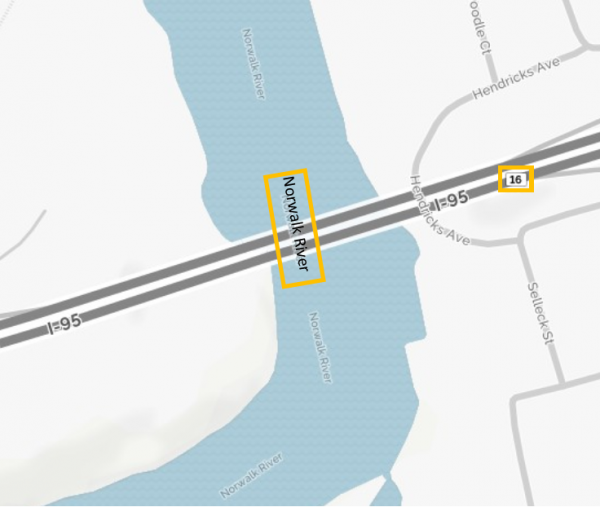
The Connecticut Business and Industry Association has noted that the state's Special Transportation Fund faces insolvency by 2020—despite Connecticut having the seventh highest gas taxes in the nation, adding that this fall, voters will consider a constitutional amendment creating a lock box to protect dedicated transportation funding from being diverted to other uses.
According to Ballotpedia, the measure would require that all revenue placed in the state's Special Transportation Fund (STF) be used for transportation purposes, including the payment of transportation-related debts. The state legislature would be prohibited from spending the fund on non-transportation purposes.
The STF is funded by the motor fuels tax, motor carrier road tax, petroleum products gross earnings tax, certain motor vehicle receipts and fees, motor vehicle-related fines, and a portion of state sales tax.
The top five states with the best transportation infrastructure, according to the CNBC analysis, are Texas, Indiana, Georgia, Ohio, and Tennessee.
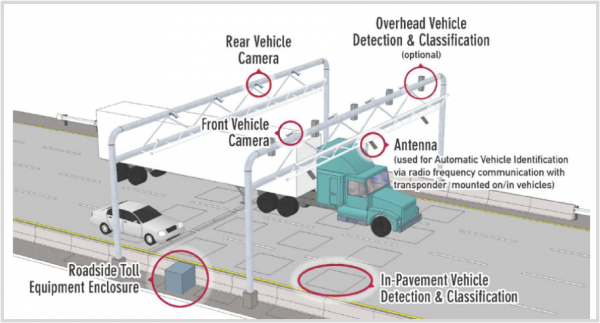
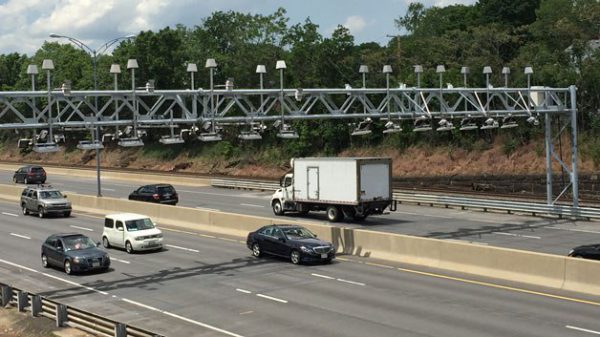 The Indianapolis Star reported earlier this summer that the state signed a $9.6 million contract with HNTB Indiana Inc. to study the impact of tolling and provide project planning if the state chooses to move forward with tolling. The administration of Gov. Eric Holcomb is required to study tolling under a road-funding plan lawmakers passed in 2017, but a decision has not been made on whether the state will go forward with authorizing a tolling plan, according to published reports.
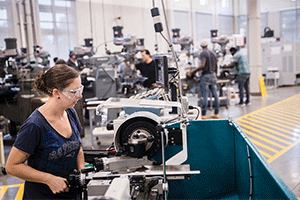
 The state currently operates advanced manufacturing programs at Asnuntuck, Housatonic, Manchester, Middlesex, Naugatuck Valley, Quinnebaug Valley and Three Rivers community colleges.

 The three institutions will work during the next few months to develop the curriculum, establish an advisory board, create a virtual inter-institutional platform, and plan to start recruiting for the first cohort of students. All three institutions have a lengthy pedigree in engineering, and effective programs to advance entrepreneurship at the undergraduate level. UNH
  The purpose of the pilot program, according to OPM, is to encourage and allow for the testing of fully autonomous vehicles (FAV) on local highways in Connecticut. The goal for the pilot program is to allow a variety of FAV testing to occur in four municipalities throughout the state, bringing Connecticut to the forefront of the innovative and burgeoning autonomous vehicle industry.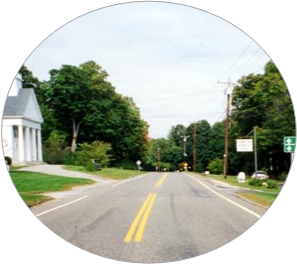
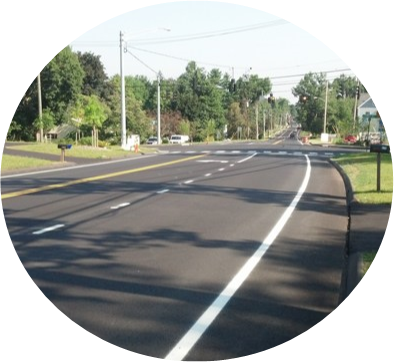 The state law outlines a framework of the minimum requirements to be included in agreements between municipalities and autonomous vehicle testers approved for participating in the Fully Autonomous Vehicle Testing Pilot Program (FAVTPP). The Connecticut law, according to the
  3 Seconds Behind the Wheel, which debuts on Connecticut Public on Thursday evening, is a new
  The film also gives audiences a firsthand look at emerging technologies that could one day offer solutions to rising crash statistics. The documentary follows researchers at Google who are using driving simulators to develop next-generation in-car infotainment systems, and explores how one Swedish company is experimenting with technology that could one day allow cars to understand human feelings and make driving decisions based on individual needs.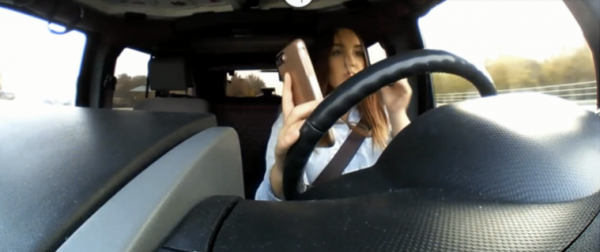


 The U.S. DOT invests in the future of transportation through its University Transportation Centers (UTC) Program, which awards and administers grants to consortia of colleges and universities across the United States. In the Northeast, other consortia with the same policy focus include a 9-institution UTC led by Rutgers, the State University of New Jersey and a 6-institution group led by Pennsylvania State University.

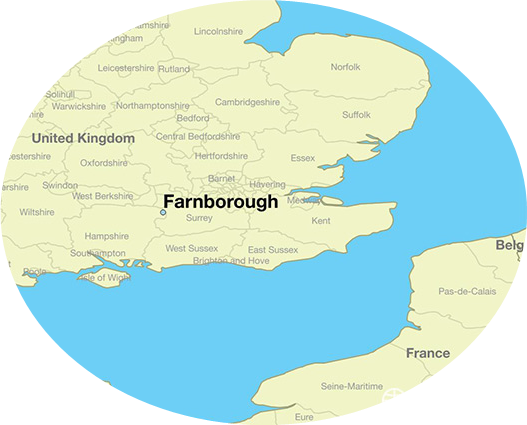 Satisfied Connecticut companies in 2016 include Windsor-based
 More than a dozen Connecticut companies had a presence in the state’s pavilion at the event: Jackson Laboratory, Sema4, Genotech Matrix, AlvaHealth, RallyBio, Cantor Colburn, Pfizer, e-Path Learning, Thetis Pharmaceuticals, XViVO, Clarity Quest, Lucerna, Wyant Simboli, Boehringer Ingelheim, Aeromics, LambdaVision, Pattern Genomics.
 All told, there were more than 1,000 companies from dozens of nations represented at the 25th anniversary conference. The organizations