PERSPECTIVE: Freedom’s Just Another Word For…
/by Rich Hollant
Music.
Around the time the State of Connecticut and the City of Hartford were releasing bleak news of their respective budgets, Joey Batts, a Hartford Public School teacher, released a video wherein for 3 minutes 22 seconds he sang his heart out about his affection for the Capital City. The ditty was entitled, “Hartbeat: A Love Letter for Hartford”. You should give a listen—you’ll be inspired. Set against a gritty-yet-hopeful portrayal of our streets, Joey Batt’s rhymes didn’t look at the Hartford neighborhoods with rose-colored glasses, but rather with objectivity brought to focus by real love. At this writing, the video has 1,083 shares on social media and has accrued 54,921 unique views—that’s nearly half our city. Imagine that.
 Dance.
At about the same time, I was paying attention to Arien Wilkerson, the 20-something artistic director of the Hartford-based troop, Tnmot Aztro. His ensemble had been dazzling audiences with wildly collaborative and awe-inspiring feats of syncopated brilliance. As the budget news dominated the headlines, Wilkerson was provoking the established media and city leadership in support of two opportunities critical to his success: press coverage of dance and greater access to performance venues. The self-generated tension in his pleas missed the intended mark, but it didn’t matter. Tnmot Aztro would become not just the first local dance troop to perform at the contemporary art space, Real Art Ways, they would do so for 3 solid sold-out performances.
 Art.
Art.
Against the backdrop of the General Electric exodus, union negotiations, and looming austerity budgets, co:lab launched Parkville Studios, a residency program for recent Connecticut art school graduates. Eventually, we will install a 360° mentoring program where the resident cohorts will support high school students interested in an arts education while the residents, themselves, will receive guidance from private collectors, gallery owners, and curators from throughout the Northeast. We’ll do this soon, but not right now.
Right now, we are motivated by a sense of urgency to keep the brightest of our emerging creative talents painting, drawing, and searching for their voice right here in Hartford. Our priority is to offer them the space to generate their indelible contributions to our culture. This priority is as benevolent as it is self-serving because if you care about a community’s ability to heal, or about equity finding its level, or about the pursuit of the elusive “Better World”, then you can do no better service to your own ideals than to double up your investment in creative expression. The timing is irrelevant. Do it because it needs doing—because it changes everything.
Wonder.
That’s what creativity does—it moves us to action. Yet in a down economy, the knee-jerk reaction has been to cut spending on the things that are deemed to be superfluous, limiting expenditures to the “essentials”. Among the first things to go are outreach through marketing and the fostering of the creative part of our culture. That approach is unsustainable. Take another look at the anecdotes above. This is how our community is primed to be reached—through song, through movement, through the paint and textures that represent the essence of who we are right here and right now. When things are tough, we need to stimulate more imagination, not less. We need more lifting up, more hope-giving. We need the new creative people up in front because they conduct the movement. If I were in dire straits, I’d want a New Orleans style marching band like Hartford Hot Several co-opting George Michael songs on the bow. Seriously—we’d levitate.
Invest boldly.
_______________________________________
Rich Hollant is the principal, strategist and a design director at co:lab, a firm he started in 1988. co:lab helps organizations committed to social value tackle the big questions that lead to greater awareness, purposeful motivation, and deeper loyalty.
PERSPECTIVE commentaries by contributing writers appear each Sunday on Connecticut by the Numbers.
LAST WEEK: The Economic Impact of Not Investing in Social Purpose Leadership


 At this point, there are a couple of things to note. First, while we have been talking about leadership transitions for many years, the recession delayed the major transition of leaders out of the sector until now. Second, there is no bench strength to call on from within these organizations when these leaders retire. Very little investment has been made to build the skills and capacity of middle managers to step up into leadership roles. Third, most of the departing leaders are Baby Boomers whose leadership roles were dependent on their willingness to work long hours in a professionalized volunteer sector. We will not fill these rolls with Millennials and Gen Xers for what we paid their predecessors.
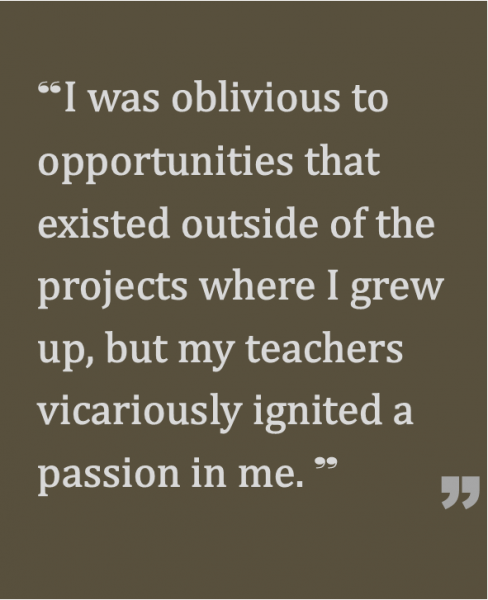
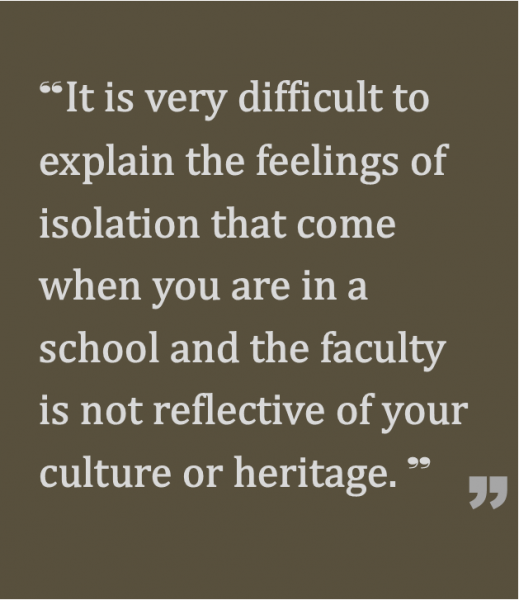 As a child growing up in an urban poverty stricken environment, I only came in contact with one minority teacher. This contact greatly influenced the person I became. Most of my teachers lived outside the district and had experiences that were very different from mine. Many of my teachers were second or third generation educators and had always known they would be teachers. I saw little of myself in any of them.

 “We've received incredible support from our network of friends, family, business leaders, colleges, and universities. This generosity has been integral to expanding recognition of our suicide prevention and mental health promotion programs for colleges and universities—nationwide. At our 5th Annual Gala we'll journey through the beginning, the progress along the way, and what’s next. This generation of young adults is our future and our network of supporters enables us to continue on our journey to provide young adults with a message of hope," said Giarnella-Porco.
 About the Jordan Porco Foundation
 Perhaps it begins by recognizing that Main Streets of all sizes thrive with a mix of uses, a mix of businesses, a mix of incomes, a mix of cultures. Connecting people to housing, retail & dining, jobs, community resources, and transportation choices is critical if our Main Streets are to be vibrant and sustainable. Offering a range of housing options located near transit and within a walkable distance of life's necessities like grocery stores, pharmacies, doctor's offices and more can only help to attract anyone who desires to live in a vibrant neighborhood.
 Together with our partners, we were thrilled this week to bring to Hartford Christopher Zimmerman, Smart Growth America’s Vice President for Economic Development, and Director of the Governors’ Institute on Community Design. Much of his work focuses on the economic and fiscal impact of development policies on localities and regions.