PERSPECTIVE: Over-Regulation Would Harm Innovative Tech Industry, Hurt Consumers
/by Jack Carey In the years since the financial crisis, there has been a prevailing thought in America that “big” is bad. This sentiment started with banks, but in Washington, some are starting to question whether the theory holds for other industries as well.
In Connecticut and the Hartford region specifically, we need to be mindful of the harmful effects of government over-regulation, especially when it can have a damaging effect on innovation and our ability to create and retain high quality jobs.
As the owner of Carey Manufacturing in Cromwell, I know first-hand how challenging government regulations can be. Since 1981, we've been supplying catches, latches, and handles for military, aerospace, computer, electronics, telecom, automotive and consumer applications. In addition to an expanding global sourcing network, we own and operate a 30,000 square foot manufacturing facility here in Connecticut. We work every day to maintain a competitive global advantage and government interference here at home frequently gets in our way.
Most recently, some policymakers have suggested that we abandon our decades-long approach to enforcing the antitrust laws, which focus on what is in the best interest of competition and the consumer, to one that looks primarily at size and views large companies as inherently bad. However, there is little evidence of the need to depart from our existing consumer-oriented antitrust framework, and that’s especially true in the case of the technology sector.
 In fact, the current technology market is a vibrant and competitive one, where even big companies are required to constantly innovate in order to stay on top. This innovation has provided enormous benefits to consumers, who reap the rewards in the form of better and more advanced products and technologies.
These advances are the result of a market in which even the biggest giants in tech are vulnerable to competition. Ten years ago some of the dominant tech players were MySpace and AOL. These companies have since been surpassed – not because regulators intervened to check their growth, but because new startups offering better products won out in the market place.
In fact, in the tech sector, major companies are constantly competing with and challenging one another. Google has threatened Amazon’s dominance in the cloud storage business, Facebook is working to compete with YouTube for video consumption, and Apple is using its Siri technology to challenge Google Search – to name just a few examples. At the same time, these American companies are also facing new overseas competitors from China and other countries.
Unlike stagnant brick-and-mortar industries, the barriers to entry in tech markets are relatively low. Advances are constantly being made through innovation, enhancing competition and forcing companies to always stay one step ahead of the curve. It’s easy for startups to become the next big tech company, while even major players can fall as fast as they rose. Look how Facebook is battling newer social media platforms like Twitter, Instagram, Snapchat, and Pinterest that didn’t even exist a few years ago but now have hundreds of millions of users.
Larger tech companies also often act as platforms for the development and growth of these startups, as well as other businesses. New startups can release their software on app stores managed by Apple or Google, new products can be sold far more easily than ever before on Amazon, and growing companies can use digital ads to generate crucial revenue.
The competitive nature of the tech marketplace is made clear by the amount major players spend on research and development. In noncompetitive markets, R&D spending is low, and innovation is minimal. The opposite is true in tech. In 2014, PricewaterhouseCoopers found that the Internet and software sector had the highest growth rate of R&D spending of any industry. This year, Google, Amazon, Facebook, and Apple have all significantly increased their R&D spending. These companies are investing in R&D because they understand the tech sector for what it is: a fast-changing and competitive industry in which startups thrive, new products are constantly being developed, and consumers are the ultimate winners.
In 2016, we’ve gotten used to being able to answer emails or plan a trip with a few taps on our phone. These services, so common that we don’t even give them a second thought, are the result of the tremendous and ongoing innovation in the technology sector. Proposals to change how we apply our laws and regulate the tech industry, however, would have the government intervene in this dynamic and competitive marketplace, threatening innovation and the enormous benefits it has provided consumers and our economy.
__________________________________
Jack Carey is the owner of Carey Manufacturing Company in Cromwell, CT.
PERSPECTIVE commentaries by contributing writers appear each Sunday on Connecticut by the Numbers.

 t cities. Bo Zhao, senior economist at the Boston Federal Reserve, wonders if such differences in taxes put some cities or counties at a disadvantage in economic competition. After all, he says, fiscal disparities occur when economic resources and public service needs are unevenly distributed across localities.
For the most part, it’s been up to cities and counties to attempt to address these growing disparities. There are any number of longstanding examples of regional taxation and regional tax-base sharing across the U.S., such as in Minneapolis-St. Paul. More recently, there are new innovations on the theme: The Scientific and Cultural Facilities District, for example, distributes roughly a tenth from a 1 percent sales and use tax to cultural facilities throughout the Denver metropolitan area.
 ago enacted legislation to encourage a sharing economy statewide. The Minnesota Fiscal Disparities law has three important goals: reduce the impact of fiscal considerations on location of business; reduce interjurisdictional competition; and direct resources to communities facing the greatest fiscal pressures.
 tax base in the Minneapolis-St. Paul areawide pool has increased from 6.7 percent in 1975 to 37.6 percent by 2012. More than $588 million of taxes were shared among the participating localities in 2012. The distribution of shared revenue reduced incentives for cities to compete for businesses and infrastructure projects, and it created greater incentives for shared investments, especially in infrastructure.


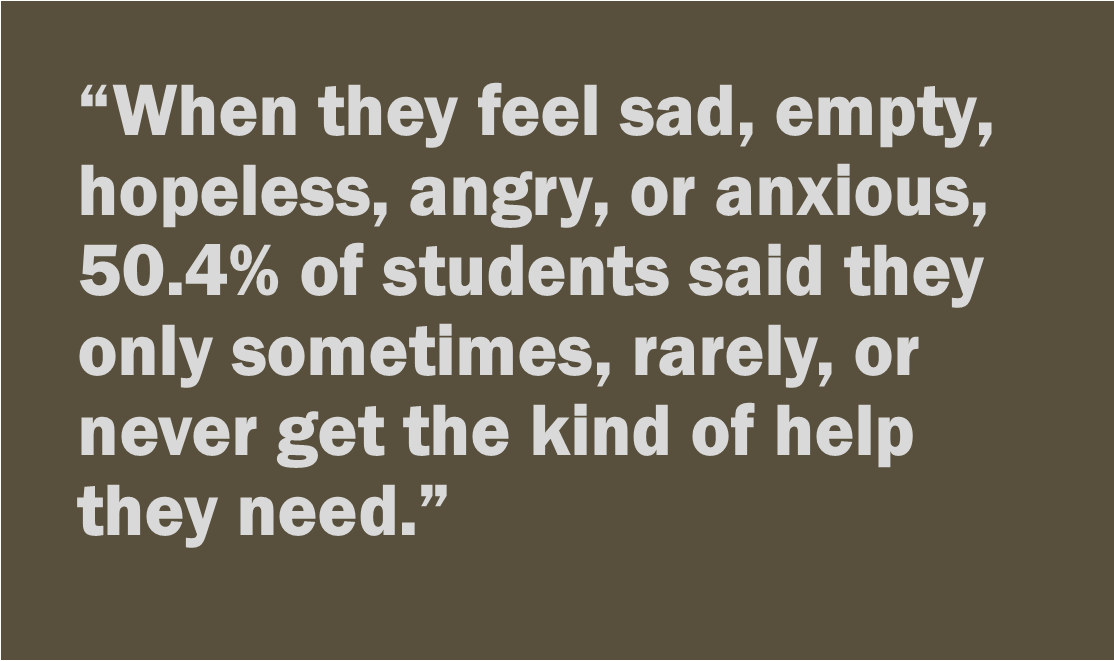 Connecticut Statistics
 The mission of the Jordan Porco Foundation is to prevent suicide, promote mental health, and create a message of hope for young adults.

 However, it is not just the alienation of population groups from each other that concerns me. I have spent much of the last twenty years in South Africa and one of the things I learned is that enduring reconciliation is not possible without eliminating historical illusions, dismantling deceptions and coming to grips with mis-teachings.
 vided millions of dollars for relief and governments provided billions for recovery, neither sector provided very much for reform. And yet it is this third stage that can have the most enduring impact. It can help sustain the public attention to what remains to be done and it can help change policies and practices that may have contributed to the disaster in the first place.
 I wrote my recently published book because I wanted the reader to imagine what the future community would be like if each of us were able to say “I want to be me without making it difficult for you to be you.”
 when strangers help strangers both those who help and those who are helped are transformed. When that which was their problem becomes our problem, the connection that is made has the potential for new forms of community. In other words, when you help someone who is homeless to find a home, when you help someone who is hungry to find food, when you help someone to find meaning in a painting or sculpture, when you help someone to fight bigotry or to find a job, you will be laying the groundwork for the genesis of community.

 here they do business in Europe and elsewhere. At least 82 UK-based companies are currently doing business in Connecticut.

 out the economic future.
 interest:

 Constant alertness is needed on a job site. Cars and pedestrians can appear quickly, seemingly out of nowhere, so both painter and assistant need to watch and listen attentively, especially when the paint machine is running. Reflective vests and pants are a safety must, and a flashlight should be hooked onto your clothing as well, to be ready at all times.
 is is a significant omission.