PERSPECTIVE: Keeping Up the Clean Energy Momentum in Connecticut
/by Claire Coleman
Despite President Trump’s best efforts to return to dirty, outdated fuels, clean energy is spreading like a wildfire across the country – in red and blue states alike. From California to Iowa, and Minnesota to Massachusetts, states are building affordable, local wind and solar power because they know the long-term benefits will free them from outdated fuels that pollute our air and water and change our climate.
Connecticut has historically been a leader on clean energy for the same reasons, and as a coastal state, knows the impacts of climate change: intense storms, serious drought, and unusual weather patterns. But despite the rising tides, recently our efforts to combat climate change are lagging behind many of our neighboring states. For example, Connecticut is largely absent from a recently published report by Union of Concerned Scientists, ranking states for leadership on “clean energy momentum,” and was not ranked among the top 15 states.
So what can Connecticut do to keep up clean energy momentum?
A first critical step is to make Connecticut accountable for the commitment the state made to reduce carbon pollution when it passed the Global Warming Solutions Act in 2008. Despite the robust, science-based targets to reduce greenhouse gas (GHG) emissions by 10 percent below 1990 emissions by 2020, and by 80 percent below 2001 emissions by 2050, Connecticut’s GHG emissions are rising rather than declining. We need to change course and ensure Connecticut stays on track by adding interim targets. Connecticut Fund for the Environment supports a 55 percent reduction by 2030 and 75 percent reduction by 2040. Additionally, state agencies should be required to take climate change impacts into consideration when making planning and policy decisions. These new targets will hold our government accountable to stop further damage to the climate and create healthy and safe communities.
 A second crucial step is to strengthen standards that require cleaner energy in the electric sector. Connecticut’s Renewable Portfolio Standard (RPS) requires electric suppliers to obtain 20 percent of their energy from renewables like wind and solar by 2020. But Connecticut can realize greater returns by establishing longer-term targets. Other states in the region have put more aggressive standards in place: New York has a mandate of achieving 50 percent renewable generation by 2030; Rhode Island’s mandate is 38.5 percent by 2035; and Maine’s is 40 percent by 2017. Extending and strengthening our Renewable Portfolio Standard as our neighbors have done will make the air we breathe safer and drive investment in solar and wind development in Connecticut.
Ramping up local clean energy efforts will also create high-wage work in Connecticut—rather than buying our clean energy from neighboring states and Canada, fueling their economy instead of our own. Establishing a full-scale shared solar program, like so many other states already benefit from, would promote equal access to clean energ y and spur local, private investment. Likewise, developing off-shore wind resources would create jobs at our ports and generate low-cost, reliable wind power for Connecticut residents.
This legislative session, the Connecticut legislature can put us back on the map of clean energy leaders. They can take action to create stronger standards that will halt further damage to our climate and reduce unhealthy air pollution. Connecticut’s residents deserve robust metrics to hold our government accountable, to prevent climate damage, and to ensure Connecticut is prepared to take advantage of clean energy innovations that will bring jobs to the state.
Delays in renewing our commitment to clean energy will harm our families, our children, and future generations. The time is now to go all-in on a solid clean energy future for Connecticut.
_______________________________
Connecticut Fund for the Environment climate and energy attorney Claire Coleman previously served as Counsel for the U.S. House of Representatives Oversight and Government Reform Committee, where she worked on issues including energy policy and regulation, and in private practice.
Connecticut Fund for the Environment and its bi-state program Save the Sound protect the land, air, and water of Connecticut and Long Island Sound. CFE uses legal and scientific expertise to benefit our environment for current and future generations, and in 2008 helped lead a grassroots coalition to pass the groundbreaking Global Warming Solutions Act.

 brewery, confirming that there is still room for growth in the marketplace.
 The Nutmeg State’s craft beer industry is still growing. There are more than 40 new craft breweries in the planning stages across the state. Not only are craft breweries growing across the state, they’re booming nationwide. In fact, three decades ago, there were less than 125 breweries nationwide. Today,
 The last statewide deer population estimate, which was done in 2006, yielded 124,000 deer. If we assume that the deer population has remained the same for the past 8 years, a liberal estimate of this additional “take” would be less than 1% of the deer population. If we assume that the population is higher now than it was 8 years ago (this is the widely-held assumption from proponents of this bill, including DEEP), the additional “take” would drop below 1%.
 a Michigan-based “Don’t Veer for Deer” program reduced deer-car collisions 25% despite a 34% increase in herd size; PZP immunocontraception programs; public education on deer resistant plantings). These solutions are not only sustainable solutions, but humane solutions.
 We also want development to support healthy lifestyles and enable a vital New Haven.

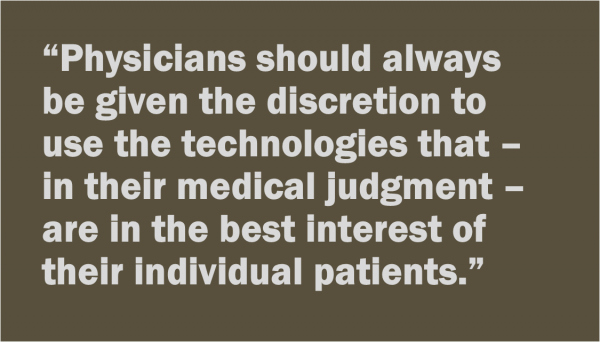
 Here in Connecticut, H.B. 6012, An Act Concerning Consumer Protection in Eye Care, looks to amend general statues to require various mandates on industry and requirements for consumers before permitting a remote or in-person eye assessment using automated equipment or an application designed to be used on a telephone, computer or Internet-based mobile device. If enacted, this legislation will make Connecticut stand alone as the state with the most stringent restrictions on consumer choice. Other states, including Virginia, have recently passed legislation going in the opposite direction to specifically allow the use of this ocular technology.

 That’s the idea behind Hartford Performs’ partnership with the Hartford Public Schools. A few years ago, when Hartford students’ test scores were at their lowest, our region’s vibrant arts community asked the school district how it could help. Many arts organizations and teaching artists had done some work in the schools and saw how adding music or theater techniques to a lesson could help children learn. They, along with classroom teachers, knew that when students get up and dance like planets in the solar system, they internalize abstract concepts such as rotation and revolution. When they act out a scene from a book, they better understand the characters’ motives and develop empathy.
 The Jordan Porco Foundation does not charge a fee for service for Fresh Check Day in consideration of varying capacities to fund large-scale mental health programming. Instead, they provide significant support and ask participating schools to provide the remaining essential components within their budgetary means.