PERSPECTIVE - Broadening Our Approach: Hunger Beyond Thanksgiving
/by Miranda Muro
I am fortunate to work at Foodshare, the regional food bank that has served the Greater Hartford area for 35 years. Each year, we collect and distribute 14 million pounds of food – enough to make 11.5 million meals – to a network of 300 partner food pantries and meal programs that serve people in need. At the same time, we work with partners to address the root causes of hunger. Even with all of this effort, hunger is still a persistent and pervasive issue in our region. Here in Connecticut, one out of every eight people is food insecure, meaning they lack consistent access to enough food due to lack of money or other resources. That amounts to 437,500 people - our neighbors - who are at risk of hunger, including 127,000 children.
Despite being one of the wealthiest states in the nation, hunger affects people of all ages and backgrounds in Connecticut, including rural towns, suburbs, and cities. Certain populations, including children and seniors, are at greater risk. For example, while food insecurity affects 12.2% of Connecticut’s general population, it affects 16.7% of our children. Food insecure households are often faced with the difficult decisions of paying for basic needs, like rent or medical bills, or nutritionally adequate food. And it’s getting even harder for our food insecure neighbors to make ends meet. A recent Feeding America study shows that food insecure individuals in Connecticut face, on average, an estimated food budget shortfall of $18.45 per person each week, up from $17.78 last year (and $15.16 four years ago).*
 I am not a hunger expert. Yes, I have access to research and information which helps us understand the nature of food insecurity in our communities. But the real experts are the people who are living this reality every day - our neighbors who have great resilience and find creative ways to stretch their budgets. Like the seniors on fixed incomes who wait in line, sometimes in the rain and snow, to get a bag of healthy food from our mobile pantry; working parents who still can’t make ends meet and skip meals so their kids can eat; and households that have had an unexpected job loss or medical emergency and suddenly can’t afford to put food on the table. These are the experts we can learn from.
Our challenge now is to broaden our approach. Food distribution at food pantries, shelters, and community kitchens is a critical lifeline for many people. It’s an important part of the solution, but not the entire solution. Hunger is bigger than food. In order to truly find an end to hunger, we must also address the systems that intersect with food insecurity: poverty, housing, employment, education, healthcare, and more. We need to include and amplify the voices of the people who experience hunger, and engage partners from all sectors of our community to add their unique perspectives.
Through this collaborative and systemic approach, I believe we can create a community where everyone knows where their next meal will come from. This may seem idealistic, but I know it’s possible when I think about the tremendous community effort that makes Foodshare work, especially at this time of year. Right now people from all walks of life are taking action to make sure our neighbors have a turkey to celebrate Thanksgiving.
This holiday season, I encourage you to please support your local food bank and consider how you can help throughout the year. Hunger is a community-wide issue that needs a community-wide response, whether you volunteer, donate, or contribute your skills. Working together, we will make a difference.
_________________________________________
Miranda Muro is the Director of Policy and Program Impact at Foodshare. Foodshare is the Feeding America food bank serving Connecticut’s Hartford and Tolland Counties. In partnership with the food industry, donors, community leaders and volunteers, Foodshare works to maximize access to nutritious food and other resources that support food security. And, because hunger is bigger than food, Foodshare collaborates with anti-hunger organizations, policy makers, and the broader community to build effective solutions to end hunger. For more information, visit www.foodshare.org.
* Source: Gundersen, C., A. Dewey, A. Crumbaugh, M. Kato & E. Engelhard. Map the Meal Gap 2017: Food Insecurity and Child Food Insecurity Estimates at the County Level. Feeding America, 2017. http://map.feedingamerica.org/

 A new online resource for business owners exploring ways to control insurance costs and manage their risk, “CT Captive Solutions for Business,” has recently been launched by state Insurance Commissioner Katharine Wade. The toolkit includes instructions on licensing a captive in Connecticut, a list of recognized captive managers, FAQs and Insurance Department contacts. Click
 Connecticut also provides insurance brokers and producers, captive insurance managers, and tax professionals in insurance fields access to innovative solutions and resources to drive the industry forward, including a collaborative workforce and support from leadership at all levels of State government. The Connecticut Department of Insurance Captive Division has significant regulatory expertise and a collaborative consultative approach that can help support and grow innovative captive insurance companies.
 These hashtag stories bear witness to the reality that women and girls in particular are subject to harassment, discrimination, unwanted touching and violence at nearly every age and stage of our lives. It happens at work, on the street, in the home, on trains, at school, and on the playground.


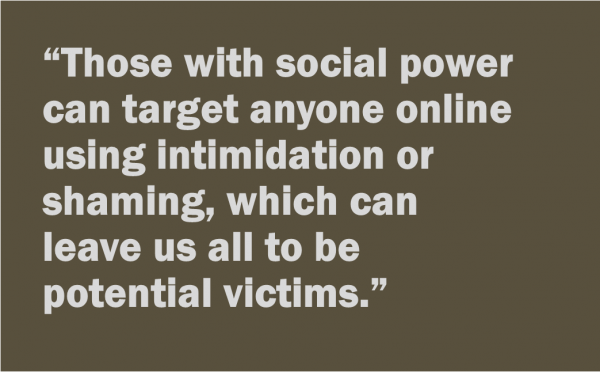 Yes, this day it was Delta, and they have not made too many friends lately. But tomorrow it could be a smaller company. Maybe a local place that has been a pillar to your community. Do you trust Coulter, or any other person with social power, with the ability to tarnish a business’ reputation indefinitely?
 The younger years of children are crucial because the brains of the children grow extremely rapidly between birth and the age of 8. Specifically the brain undergoes rapid cognitive development as well as linguistic and motor development in the first 3 years of life. By the age of 5 children have developed problem-solving skills and pre-literacy skills. Children are constantly learning from the environment and behaviors surrounding them. Early brain development has a great influence on children’s long-term outcomes

 State funding for BIAC is an investment that pays off substantially, ensuring that those in need have access to lives of wellness, dignity and fulfillment. In the short time it took you to read this article, at least 5 people in the U.S. sustained a brain injury. This could be your neighbor, your co-worker, your family member, or you.

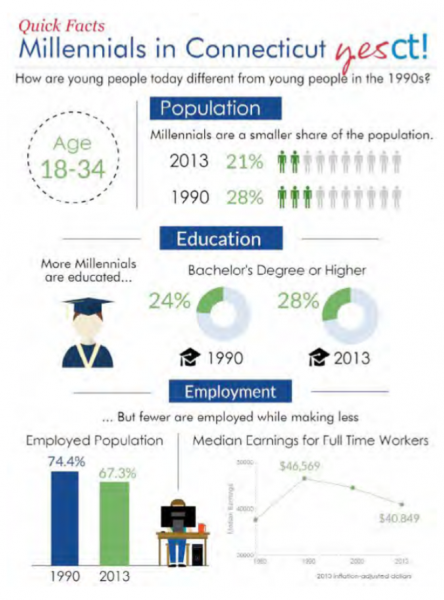
 Connecticut’s inability to retain young people has become increasingly evident over the past several years, resulting in dour headlines as major companies pick up stakes and move to those locations that are attracting young talent. An interest in lively downtowns, a variety of housing options, walkable communities, access to transit, and availability of jobs and economic opportunity are topping their lists, according to numerous studies and reports.