

Breast Cancer is Latest Cause to Grow Interest Through CT License Plate
/Connecticut, with more than 50 special license plates featuring everything from animals to war survivors, is headed toward adding another choice for state residents to purchase. Organizers of Seymour Pink, the grassroots initiative launched in 2009 to raise money and awareness for breast cancer, is looking to have a specialty license plate produced to show support for the cause, the New Haven Registered reported this week.
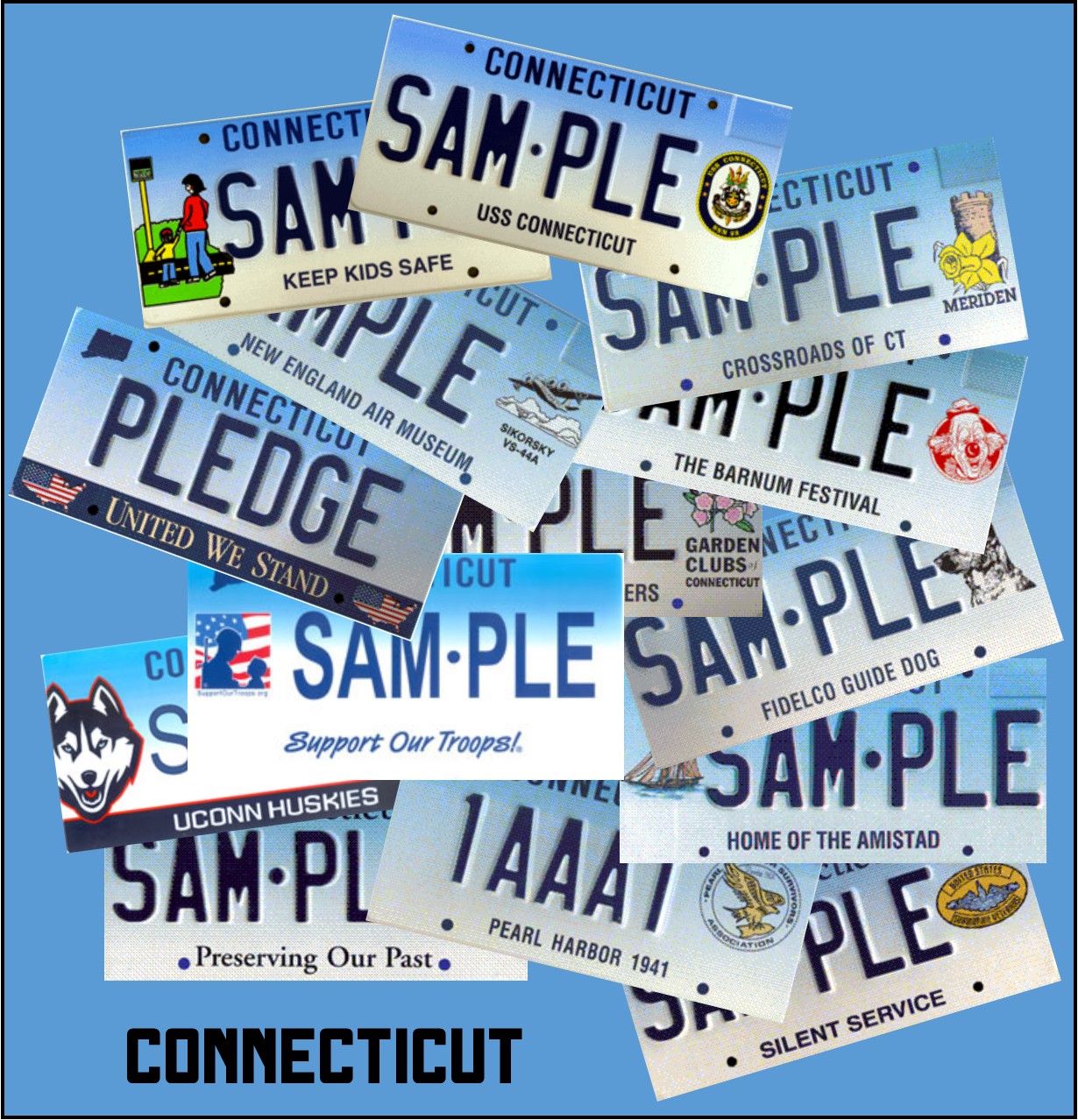
State law allows the Department of Motor Vehicles to issue of special background plates on behalf of non-profit organizations. The organization must be non-profit, must submit a copy of the organization's charter or by-laws, provide a letter of good standing from the State of Connecticut Secretary of State’s Office (if required) and supply any Internal Revenue Service ruling on their non-profit tax exemption status.
The logo production and cost incurred will be the responsibility of the organization. The logo prototype design, preferred in PDF format, must be submitted to the DMV. The logo can be no larger than 2 inches wide and 3.5 inches high. DMV has final approval on all the plate and logo designs.
A liaison for the organization must be appointed. This individual will be responsible for all communications with the DMV as well as certifying and authenticating (by signature) each member’s application, submitting the logo design to DMV for approval, submitting 400 applications with the required fee prior to the manufacturing of the special background plates, and submitting a Special Interest Plate disclaimer.
Seymour Pink Founder Mary Deming told the Register that 100 paid applications have been received from people who want to purchase a “Seymour Pink” license plate for their cars. The state Department of Motor Vehicles won’t begin production on the plate until Seymour Pink secures at least 400 paid applications, Deming said, indicating that Seymour Pink has set a tentative deadline of Jan. 15 to reach the needed 400 paid applications, the Register reported.
Many organizations in Connecticut offer license plates to their members and the general public. General categories include animals, colleges, environment, organizations, police and fire, cities and towns, and recreation.
Organization vanity plates include Amistad, Benevolent & Protective Order of the Elks, IUOE Local 478, Grand Lodge of Connecticut, Knights of Columbus, Olympic Spirit, P.T. Barnum Foundation Inc., Preserving Our Past CT Trust for Historic Preservation, Red Sox Foundation, Lions Eye Research Foundation, Special Olympics, Federated Garden Clubs, Fidelco Guide Dog Foundation, Keep Kids Safe, New England Air Museum and the U.S.S. Connecticut Commissioning Committee.
All fees established and collected pursuant to the United We Stand plate (except moneys designated for the administrative costs of the DMV) shall be deposited in the United We Stand commemorative account. Funds are directed to the United States Department of State Rewards for Justice program and is used solely to apprehend terrorists and bring them to justice. The account will also be distributed to the Secretary of the Office of Policy and Management for the purpose of providing financial support and assistance to the former spouses and dependents of persons killed as a result of the acts of terrorism committed on September 11, 2001.
 When individuals purchase a Keep Kids Safe plate, a portion of the fee goes to the Keep Kids Safe Fund, which “makes many worthy projects happen for youngsters.” The fund awards grants to schools, hospitals, municipalities and other non-profit organizations working to make all Connecticut children safer from severe and preventable injuries, according to the DMV website.
In most cases, remake of a current plate is $70; a new vanity plate is $139, a new series plate is $50. For others, including the UConn Huskies plate, the price tag is somewhat different. Off-the-shelf license plates cost $55, remake of a current plate is $75, a new vanity plate costs $144, according to the DMV website.
The Support Our Troops plate sends a portion of the fee to provide funding for programs to assist Connecticut troops, their families and veterans. When you buy a Red Sox plate, a portion of the fees support and help fund academic scholarship programs in Connecticut.
Also included are 17 varieties of military specialty plates, including Disabled American Veteran, Gold Star Family, Iwo Jima Survivor, Korean War Veterans Association, Marine Corps League, Laos Veterans of America, Military Order of the Purple Heart, Pearl Harbor 1941, U.S. Submarine Veteran, National Guard Association of Connecticut, First Company Governor’s Foot Guard, First Company Governor’s Horse Guard,
Colleges with designated plates include Central Connecticut State University, Penn State Alumni, University of Hartford, University of Connecticut, and University of New Haven. Cities with available plates include Meriden, Norwich, and Stafford.
Organizations interested in launching a new special plate, should contact the DMV Special Plate Unit at (860) 263-5154 for further information.

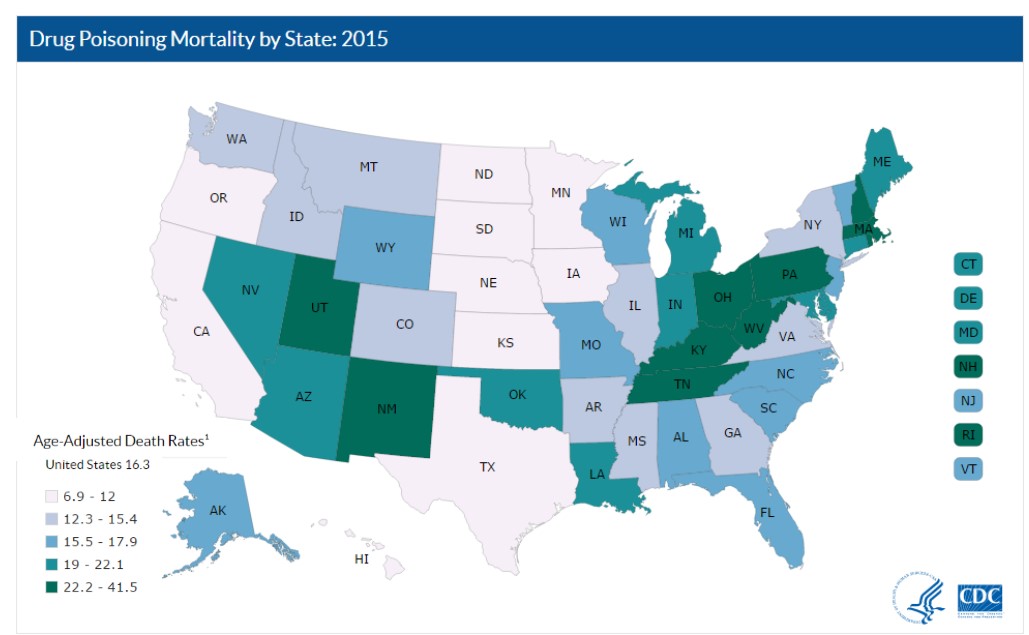 The five states with the highest rates of death due to drug overdose were West Virginia (41.5 per 100,000), New Hampshire (34.3 per 100,000), Kentucky (29.9 per 100,000), Ohio (29.9 per 100,000), and Rhode Island (28.2 per 100,000).


 The marketplace of ideas is of great value. But just as in the actual marketplace, we all need help deciding which products are reliable and which are not. Consumer Reports is available for car buyers—whose decisions are a lot simpler than the typical policy choice. Yet, in our hyperpolarized political world, institutions recognized as credible sources of independent knowledge continue to lose ground.
 Consider the most maligned policy of recent years: the Affordable Care Act. Even as the law has expanded health coverage while moderating costs, critics continue to spew out disinformation and insist their direst predictions have come true (and get a respectable hearing from the news media). They claim millions are losing good insurance despite a historic expansion of coverage. They claim costs are skyrocketing despite a historic slowdown of medical inflation...
 The
 The purpose of the CTCDR is to provide members of the traffic-safety community with timely, accurate, complete and uniform crash data. The CTCDR allows for complex queries of both datasets such as, by date, route, route class, collision type, injury severity, etc.
 The review and analysis found at least seven areas in Connecticut, based on zip code geography, where the percentage of children found to have elevated lead levels exceeded – more than doubled – the percentage in Flint.
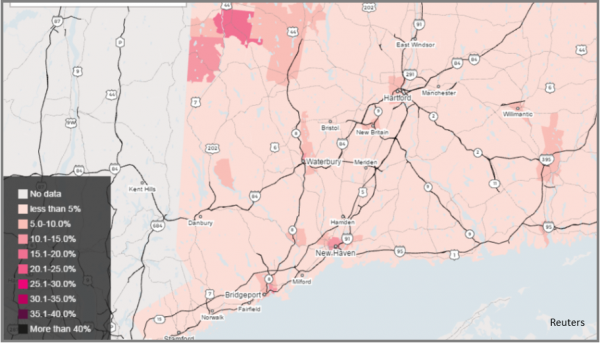
 each year, the report indicated.

 Also this month, the State Treasurer’s office is closing the year with a push urging consumers to check the agency’s CT Big List to determine if misplaced assets can be claimed. State Treasurer Denise L. Nappier said the special online publication is one component of the Treasury’s efforts to reunite rightful owners with their unclaimed property and is available through its homepage, www.ott.ct.gov.
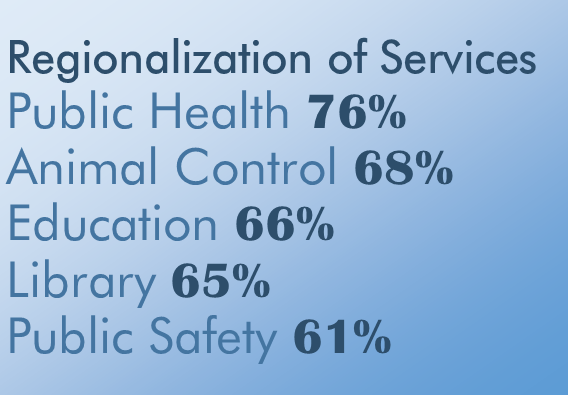 “Increasingly, towns will not be able to afford to sustain the level of services to which they have become accustomed, as budget pressures increase along with a reluctance to raise taxes. Residents showed concern, and a willingness to consider regionalism as a partial solution,” said Robert W. Santy, who serves as Board Chair of Inform CT and is President & CEO of the Connecticut Economic Resource Center (CERC) Inc.
 This decision is particularly important because it focuses emergency response on patient care, and makes clear that communities can have cost effective emergency services tailored to local needs that does not have to be compromised by the bottom line financial concerns of a large, national company.




















