Accelerating Efforts to Prevent Suicide in CT as Numbers Climb
/The Centers for Disease Control and Prevention (CDC) released a report this year which indicated that suicide rates nationally jumped by 25 percent since 1999, a finding that “shocked” even experts who believed the rate had been flat. Each year, more than 41,000 individuals die by suicide, leaving behind their friends and family members to navigate the tragedy of loss, according to the National Alliance on Mental Illness. Connecticut's rate, 9.7 deaths per 100,000, rose 20 percent during that time, and 49 states saw an increase, according to the CDC. Connecticut’s suicide rate, is ranked number 46 in the country.
Suicide is the 10th leading cause of death in the U.S. with one occurring on average every 13.3 minutes.
For every suicide, there are 30 people who made the attempt, Dr. James F. O'Dea, vice president of the Behavior Health Network of Hartford Healthcare, recently told the Meriden Record-Journal. The U.S. Health Resources & Services Administration reports that “approximately 45% of suicide victims had contact with primary care providers within 1 month of suicide.”
“Connecticut suicide rates may have no t have increased as much in comparison to other states, but isn’t the real question, ‘Why is it increasing at all?’” Luis Perez, president and CEO of Mental Health Connecticut, told The Hartford Courant earlier this year.
“It’s been well-researched that most people who die by suicide do so because they want the pain to stop — and they don’t see any other way,” Perez said. “Prevention is critical. Knowing the safe and right way to talk to someone who may have thoughts of suicide and letting people know they are not alone, that millions of people struggle with suicide ideation is key.”
According to the state Department of Public Health, approximately 31 percent of victims had a history of treatment for mental illness and 42 percent had previously attempted or thought about suicide or disclosed their intent to commit suicide. The CDC offers 5 steps to help someone at risk: 1. Ask. 2. Keep them safe. 3. Be there. 4. Help them connect. 5. Follow up.
The U.S. government’s anti-bullying website, stopbullying.com, points out that “many issues contribute to suicide risk, including depression, problems at home, and trauma history. Additionally, specific groups have an increased risk of suicide, including American Indian and Alaskan Native, Asian American, lesbian, gay, bisexual, and transgender youth.” The site indicates that “this risk can be increased further when these kids are not supported by parents, peers, and schools. Bullying can make an unsupportive situation worse.”
Matt Riley, Chief Operating Officer of the Connecticut-based Jordan Porco Foundation, recently told WTNH-TV that suicide is the second leading cause of death for Americans ages 15 to 24. One in ten college students and one in five high school students consider suicide. Young people considering suicide are most likely to talk to peers, so the Jordan Porco Foundation focuses on peer-to-peer outreach and awareness, with a series of successful program initiatives on college campuses in Connecticut and across the country.
In recent years, a new student-driven primary prevention program was piloted to help high school students develop positive coping skills and enhance protective factors in preparation for life beyond high school. Schools and organizations participating included Manchester High School, Immaculate High School in Danbury, Enfield Public Schools, Capital Preparatory High School in Hartford, Institute of Living in Hartford, Jewish Family Services in West Hartford, Wilton High School, Boys & Girls Club of Bristol, and Guilford Youth & Family Services.
Numerous organizations across Connecticut offer Mental Health First Aid, an 8-hour training to teach participants how to help someone who is developing a mental health problem or experiencing a mental health crisis. The evidence behind the program demonstrates that it helps trainees identify, understand and respond to signs of mental illnesses and substance use disorders. The course is often offered to participants free of charge.
https://youtu.be/jl87bmuCTdM
https://youtu.be/TT_HLG5FkKA


 The biggest differentiator between an entrepreneur and a small-business owner is that the former wants to solve big problems, grow quickly and takes huge risks. Think Facebook, Google, and Tesla. Facebook has over two billion monthly users, and its mission is: “Give people the power to build community and bring the world closer together.” Google is the most visited website on the Internet. Its mission is: “To organize the world’s information and make it universally accessible and useful.” Founded in 2003, Tesla Motor’s mission is: “To accelerate the advent of sustainable transport by bringing compelling mass market electric cars to market as soon as possible.”
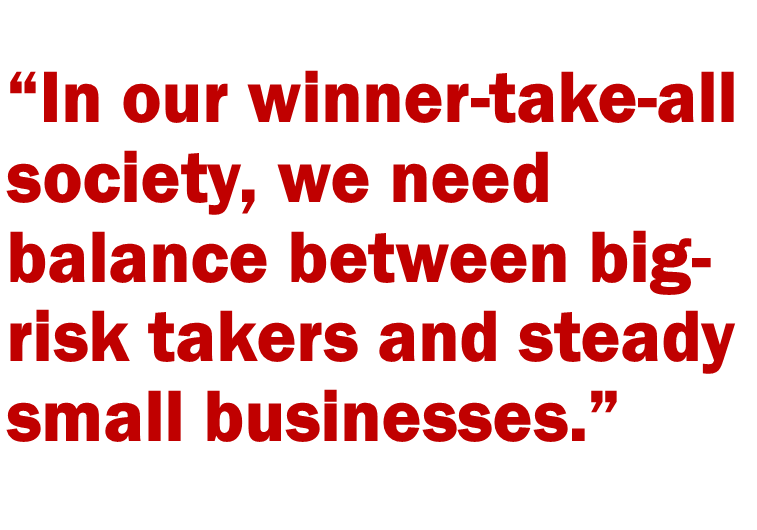


 Electricity costs are significantly higher on the East Coast, according to the study by move.org, released this week. Seven of the top ten states with the most expensive utilities are on the Atlantic Seaboard. In addition to Connecticut, those states are Rhode Island, ranking third at $521.98; New York ($477.31); New Hampshire ($477.02); Massachusetts ($469.13); Vermont ($468.30) and Maine ($464.45). The only other non-Atlantic coast state to land in the top 10 is South Carolina ($473.78).

 The analysis, by the financial services website WalletHub, was based on 40 key indicators of livability, ranging from housing costs to school-system quality to restaurants per capita. The indicators were grouped into five categories – affordability, economic health, education & health, safety, and quality of life.


 In total, 27 states have raised or reformed their gas taxes since 2013. Indiana instituted a 10-cent increase in 2017; Oregon approved a 10-cent phase-in that began this year. The South Carolina legislature overrode a Governor’s veto to enact a 12-cent-per- gallon increase in the tax rate to be phased in over 6 years, according to data compiled by the Institute on Taxation and Economic Policy. Oklahoma’s legislature approved a 3 cent increase this year - that state’s first since 1987.
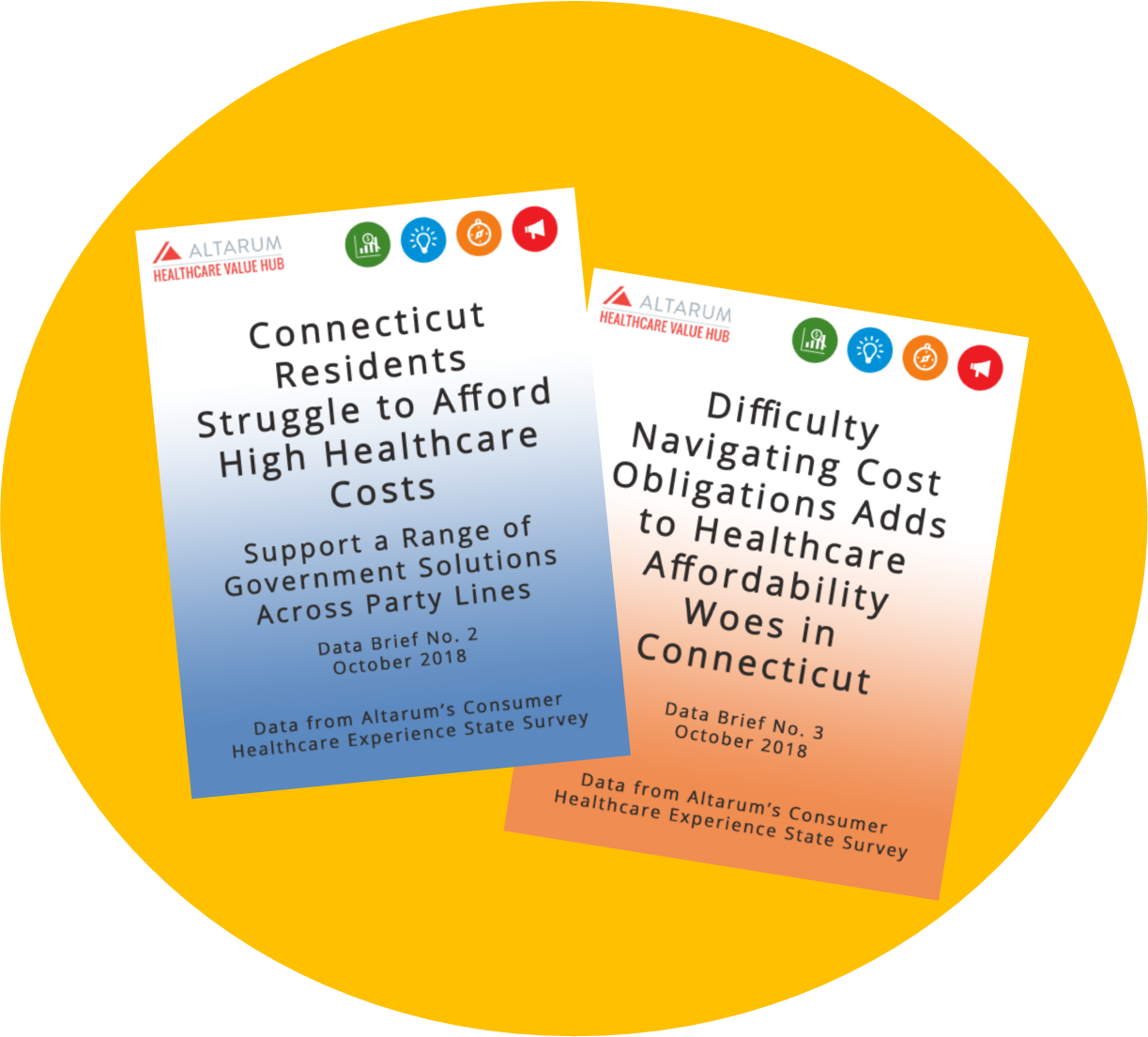 The survey revealed that residents are not satisfied with the current health care system: 80 percent agree or strongly agree that “the system needs to change.” When given more than 20 options, they focused on the high prices charged by industry players, citing most frequently as a “major reason” for high health care costs:

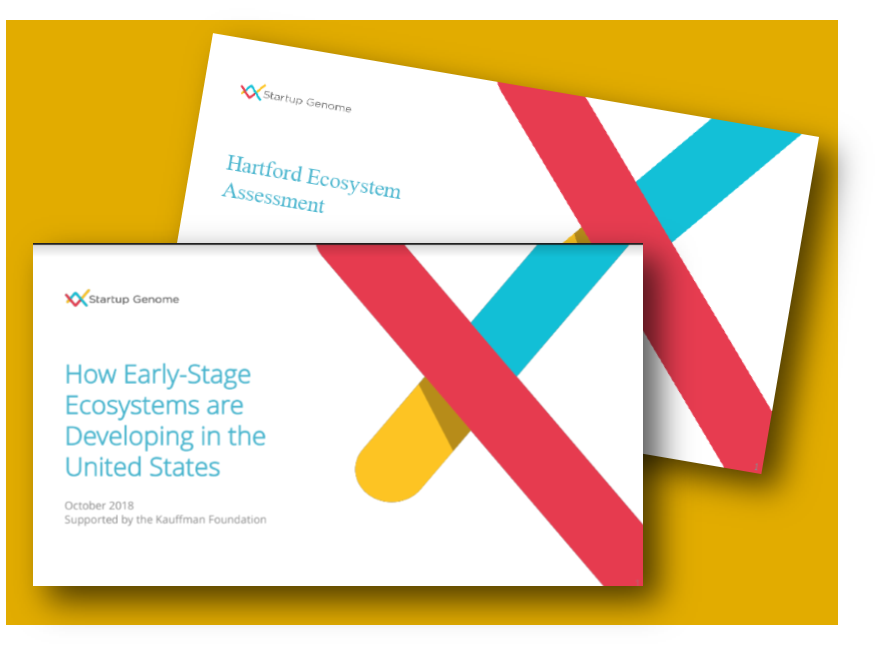

 The comprehensive assessment of Hartford’s ecosystem also noted that “Hartford’s [startup] founders claim to have the right ambition to go global,” concluding that “Hartford’s startups have more potential to strengthen Global Market Reach and Global Connectedness.” In a number of areas analyzed in the assessment, Hartford is seen as having potential to strengthen the local startup community, its reach beyond Hartford, and the demographic of startup teams.