Weaving a Thread Between the Past and Future – Connecticut’s 10-year Historic Preservation Plan Released
/The Connecticut State Historic Preservation Office (SHPO) has announced the release of the new Connecticut Statewide Historic Preservation Plan for 2025–2035: Weaving a Thread Between the Past and Future.
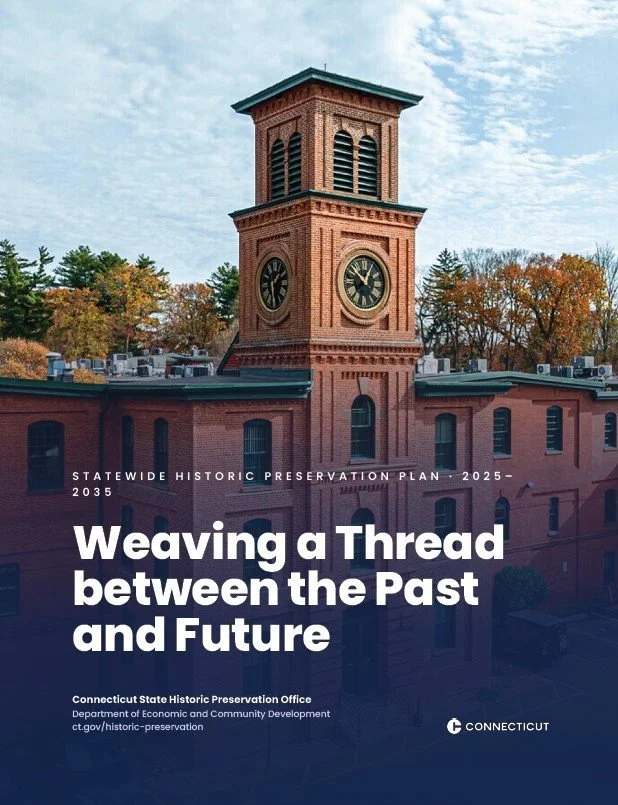
Approved by the National Park Service, this comprehensive roadmap examines current historic and cultural resource conditions, preservation practices, and critical issues across the state and presents a shared vision for the future of our communities and our irreplaceable cultural resources.
The 76-page plan is described as the culmination of a years-long effort deeply rooted in public engagement. From the fall of 2024 through early 2025, SHPO hosted an extensive public outreach campaign that included:
Public community meetings
Focused discussions with preservation partners and municipal officials
An interactive online survey
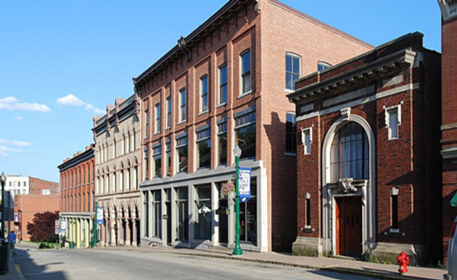
They report having heard from hundreds of residents across all eight Connecticut counties—representing cities, small towns, coastal communities, and rural villages alike. “This diverse feedback made one thing clear: Connecticut’s heritage is dynamic and deeply personal, and our preservation strategies must reflect that richness.”
SHPO officials point out that “Preservation is not the work of a single agency. While SHPO facilitates and updates the planning process, the goals within this text rely on collaboration.”
They stress that the plan serves as a commitment to broaden participation, strengthen local capacity, protect vulnerable resources, embrace innovation, and ensure equity and sustainability. “It will be most effective when championed and implemented by local communities, non-profit organizations, state agencies, and passionate residents.”
The report’s Executive Summary indicates that “Connecticut's historic places are more than markers of our past. They are living assets that anchor our communities, fuel our economy, and sustain our quality of life. Historic preservation is a proven engine for job creation, housing supply, downtown revitalization, and sustainable development.”
“Since creating the State Historic Preservation Office in 1955,” it continues, “Connecticut has woven preservation into its identity by investing in these irreplaceable resources. These investments yield benefits that extend far beyond numbers. Rehabilitated buildings reduce waste, bolster sustainability, expand housing opportunities, and foster walkable, vibrant neighborhoods that strengthen social cohesion and support public health.”
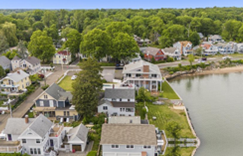
Looking ahead to the 2027 session of the State Legislature and beyond, the report emphasizes that “Legislative support remains essential. Continued investment in tax credits, grant funding, and collaborative frameworks sustain thousands of jobs, attract millions in private capital, and preserve the character that makes Connecticut unique. By championing historic preservation, our state can ensure that every new chapter honors the rich threads of our shared past.”
Five strategic goals were outlined in the report, developed with public input:
GOAL1: Quality of Life
Elevate quality of life by preserving and revitalizing our historic places, ensuring they remain vibrant, accessible, and central to our cultural identity and economic vitality.
GOAL 2: Education & Appreciation
Inspire appreciation of our state's historic built environment and archaeological resources through engaging educational initiatives that deepen public understanding of why preservation matters.
GOAL 3:Partnerships
Strengthen partnerships across government agencies, non-profits, educational institutions, community groups, and preservation leaders to collectively safeguard our shared heritage.
GOAL 4: Power of Data
Harness the power of data to improve how cultural resources are identified, documented, and interpreted to encourage informed and equitable decision making.
GOAL 5: Adaptability
Promote adaptability in historic preservation practice. Recognize that the physical landscape, natural and built environment, building codes, available materials, and construction technology are dynamic, and allow for innovation in historic preservation solutions, while maintaining the integrity of historic resources.
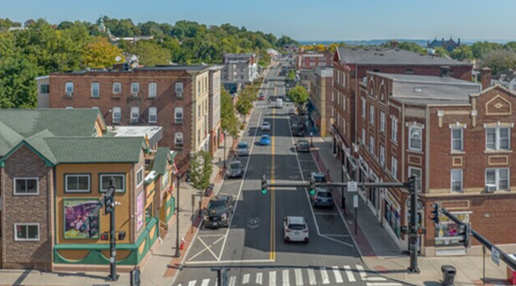
The report’s Executive Summary looked at what ought to happen next: “As we move forward into the implementation phase, it is our hope that the same spirit of partnership and collaboration that went into this plan will continue. Everyone in Connecticut is invited to play a role in advancing the goals of this plan and preserving our State's incredible historical legacy. We invite every resident, municipality, and partner to join in safeguarding and activating these treasures for the needs of today and the generations of tomorrow.”