CT Ranks Last in Job Creation, Poll of Workers in 50 States Reports
/To say that the latest Gallup Poll on state-by-state job creation reflects little good news for Connecticut would be an understatement. Connecticut ranked last in the survey for 2014, which is determined based on full- and part-time workers' reports of whether their employer is hiring and expanding the size of its workforce, not making changes, or letting people go and reducing its workforce. “Connecticut has consistently ranked in the bottom tier for job creation, and its position at the very bottom in 2014, along with continued low ratings of other New England states and neighboring New York, suggests that is unlikely to change in 2015,” the survey summary predicted.
It marked the second time this month that Gallup reported diminished economic rankings for Connecticut. The national poll’s economic confidence report, based on Gallup Daily tracking interviews with 176,702 national adults conducted from January through December 2014, indicated that Connecticut dropped out of the top 10 and into the middle-of-the-pack among the nation’s 50 states. Leading the nation in “economic confidence” were Minnesota, Maryland and California. 
The newly released 50-state survey on job creation placed Connecticut at the bottom of the pile, as workers reported the worst hiring climate, although still net positive. All 50 states had positive net hiring scores, and all but three -- West Virginia, Alaska and New Mexico -- have markedly improved on this measure since these ratings hit their low point in 2009, according to Gallup’s survey.
Joining Connecticut in the bottom dozen were the New England states of Rhode Island, Vermont, and Maine, along with Neighboring New York and New Jersey, as well as Alabama, Kentucky, Mississippi, West Virginia, New Mexico and Alaska.
North Dakota maintained its position at the top of Gallup's annual ranking, with employed North Dakota residents providing a strongly upbeat report on hiring conditions where they work -- the most positive of any state. In North Dakota, 48 percent of workers in 2014 said their employer is hiring and 12 percent said their employer is letting workers go, resulting in a +36 Job Creation Index score.
By contrast, Connecticut's +16 index score reflects 33 percent of workers saying their employer is hiring and 17 percent letting go, the Gallup survey found. Only two states – Vermont (31%) and Montana (33%) – had equal or lower percentages responding that their employer is hiring, expanding the workforce. Connecticut and Rhode Island tie for compiling the worst collective job creation scores since 2008 and are the only states to have ranked in the bottom 10 each year.
The 2014 state-level findings are drawn from 201,254 interviews with employed adults nationwide, conducted throughout the year as part of Gallup Daily tracking. In Connecticut, 2,503 individuals were interviewed, with one-third saying their employer was hiring, nearly half (43%) reported hiring was not changing, and 17 percent saying that their employer was reducing the workforce.
Beyond North Dakota, other top states were Texas, Nebraska, Wisconsin, Iowa and South Dakota. Michigan's presence among the states with the highest Job Creation Index scores is notable because it represents one of the sharpest turnarounds of any state in the seven years Gallup has measured job creation, according to Gallup. Michigan was among the worst-performing states in 2008 and 2009, but with significant improvements in that state's economy, it rose to about average net hiring in 2010, and has ranked among the top-performing states in each of the past two years, Gallup pointed out.
The index was up year-over-year in most states, the Gallup survey revealed, but particularly in Oklahoma, Oregon and New Hampshire, where it rose nine points each. At the same time, net hiring failed to improve in a handful of states -- North Dakota, Alaska, Hawaii, Delaware, South Dakota, Minnesota, Tennessee and Connecticut -- where the index was basically flat in 2014, the report indicated.
http://youtu.be/fLPPLHDo2FU


 o their teams as “Raiders” – not “Red Raiders.” Promoting their 2014 Thanksgiving Day football rivalry, the Torrington website said “Come out to see the Raiders take on the Watertown Indians in the 49th renewal of this holiday classic. The Raiders have held off the Indian attack the past two seasons…”

 chester High School (Indians), Montville High School (Indians), and Newington High School (Indians). Also, the Nonnewaug (Woodbury) High School (Chiefs), North Haven Senior High School (Indians), RHAM Junior Senior High School (Sachems), Valley Regional (Deep River) High School (Warriors), Wamogo (Litchfield) Regional High School (Warriors), Watertown High School (Indians), Wilcox Technical (Meriden) High School (Indians), Wilton High School (Warriors), Windsor High School (Warriors), Windsor Locks High School (Raiders).
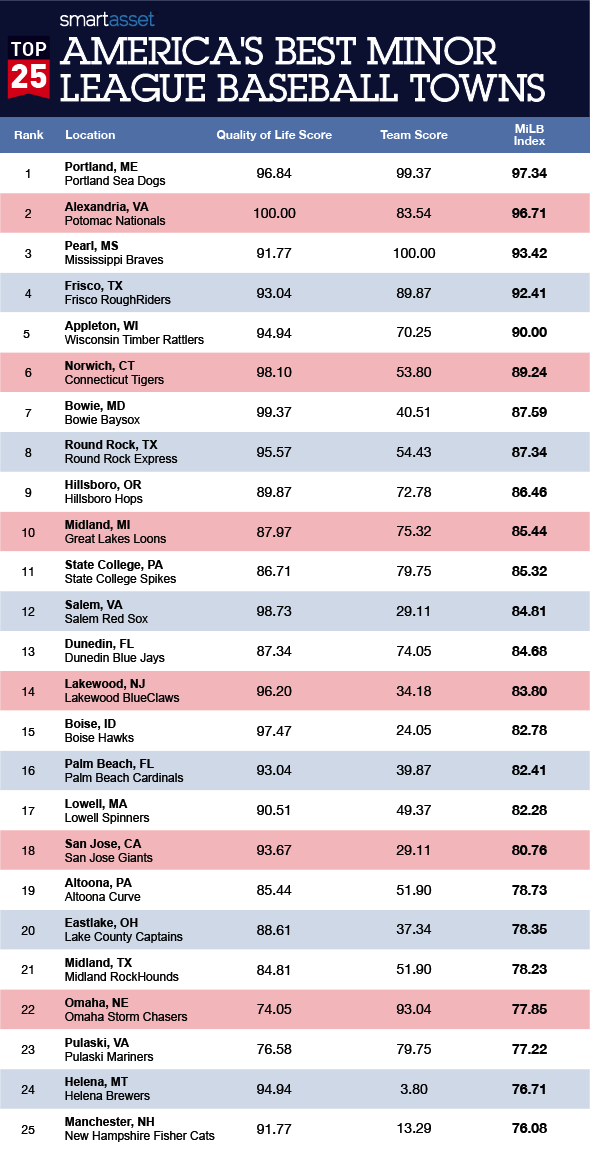
 pot in the postseason for the first time in their five year franchise history. The franchise plays home games at Dodd Stadium in Norwich. The facility celebrated its 20th year in 2014.
 ent.
ent. Artists conception of planned baseball stadium in Hartford.
 Denise Morrison, the subject of the lead business story in the February 2, 2015 issue of
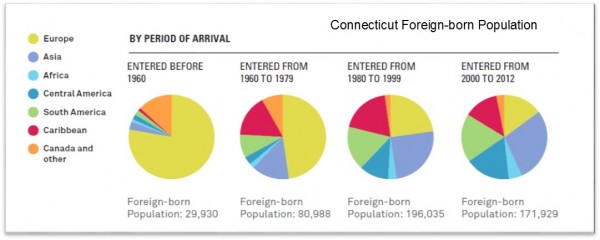
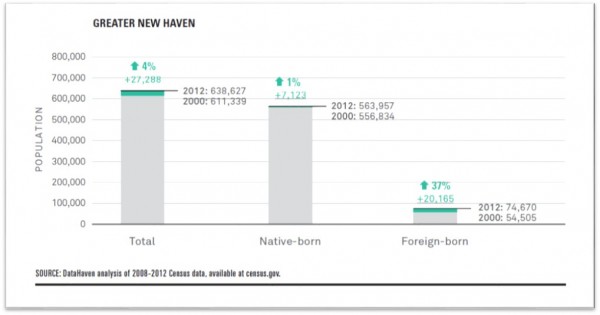 In New Haven’s neighborhoods in particular, the boost in immigrants has revitalized communities and spurred new businesses. From 1970 to 1990, the foreign-born population in most New Haven neighborhoods remained flat or declined, and these neighborhoods suffered from overall population decline—similar to other central city neighborhoods in post-industrial cities. Since 1990, the report found, the foreign-born population in many city neighborhoods has rebounded sharply, particularly in areas such as Edgewood, West River, Fair Haven, and the Hill. These areas have seen a large influx of population and business overall.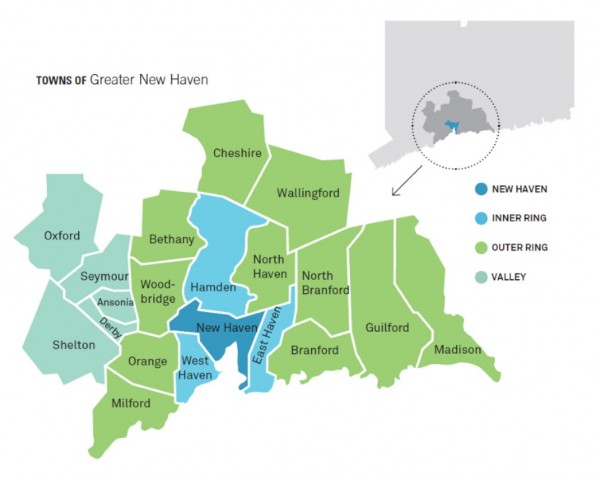
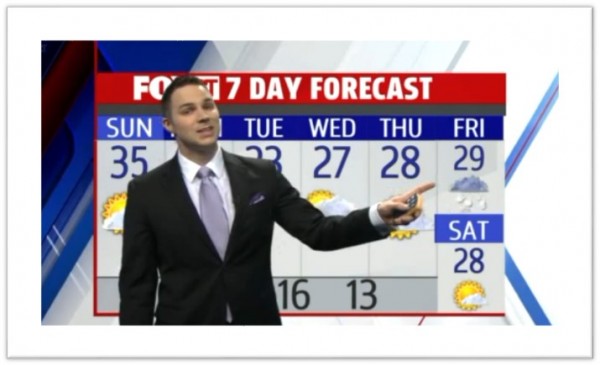 Western Connecticut State University has the state's only meteorology program, which was run for many years by WTNH-TV meteorologist Dr. Mel Goldstein. The WCSU website is chock full of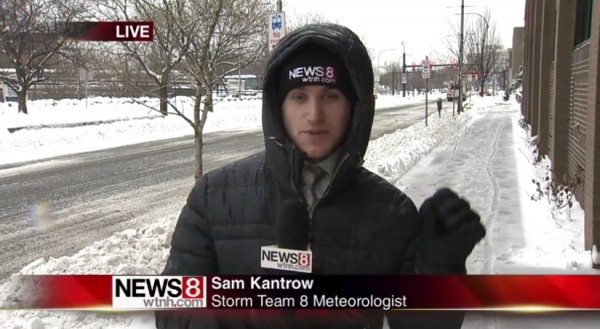
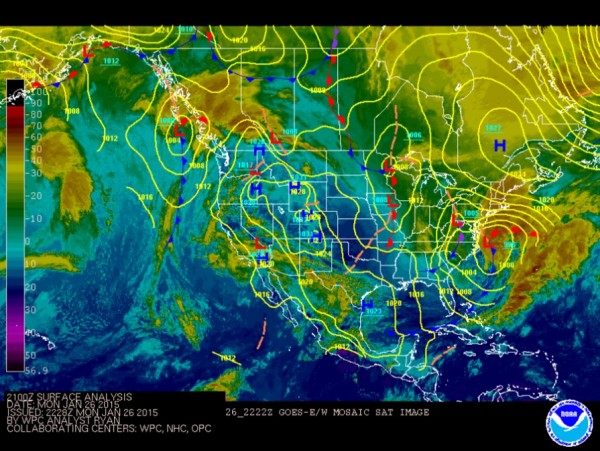 . Students in the bachelor's program earn credits while performing TV/radio weathercasts or doing real-time forecasting for clients in the university's on-campus Weather Center, according to the WCSU website.