Veteran-Owned Small Businesses Will See Expanded Price Preference for State Work, Beginning Oct. 1
/Applications are available for a new Connecticut initiative designed to “spur veterans to start a business and to help small veteran-owned businesses to flourish.” The law, which takes effect on October 1, is the most generous of it’s kind in the nation, and provides veteran-owned businesses with a price preference of up to 15% for certain state Department of Administrative Services open-market orders or contracts.
These businesses must have a gross revenue of up to $3 million in the most recently completed fiscal year, and at least 51% of the ownership must be held by one or more veterans. Under existing law, a “veteran” is anyone honorably discharged or released from active service in the U. S. Armed Forces or their reserve components, including the Connecticut National Guard performing duty under Title 32 (such as certain Homeland Security missions).
The legislation, which began as Senate Bill 2 in the 2016 session of the state legislature, was unanimously approved by the Veterans Affairs Committee and Government Administration and Elections Committee, before gaining unanimous approval in the Senate and House and the Governor’s signature.
The National Veteran-Owned Business Association, in testimony before the state legislature in March, said passage of the new law would “make Connecticut the most ‘Vetrepreneur-Friendly”state” in the U.S. The organization noted that 27 states have programs in place “to create opportunities for veteran-owned businesses, and that New Mexico had recently increased its preference to 10 percent. At the time, Connecticut’s veterans preference also stood at 10 percent.
Senate leaders Martin Looney (New Haven) and Bob Duff (Norwalk) said the move to 15% was part of a multi-year effort by the legislature to “improve the lives of our vets, and help them earn a living.” State Comptroller Kevin Lembo, testifying in support of the proposal, told the legislature it would “decrease a bit of the burden on those veterans who are doing much more than just getting by. These veterans have not only re-entered their communities as productive taxpayers, but have taken the risk of starting up their own business to realize their piece of the American dream.”
“We applaud your leadership of the important piece of legislation that will enhance and expand opportunities for the small businesses” owned by veterans, said Matthew Pavelek, Vice President of the national organization, NaVOBA, based in Pittsburgh.
To receive the fifteen per cent price preference, a bidding business must first obtain a Veteran-owned Micro Business certification from the Connecticut Department of Veterans Affairs. The Certification is valid for six months or until such time as the business is no longer in compliance with the statutory requirements, whichever occurs first. Applications for the certification are now available from the state Department of Veterans Affairs.


 Since their first store opened in July of 2007, the company reports they have donated over $635,000 to more than 250 non-profit organizations. In total, the company operates eight cafes: four cafes in Connecticut, two in Rhode Island, and two in Massachusetts.
 Wallingford-based
 Also reaching the Inc. 5000 were
  Votto Vines is a family-operated business focusing primarily on the importation and wholesale distribution of fine wines produced by leading boutique vineyards around the world as well as high-profile private label and wine licensing transactions.
 e company has an office in Boston.





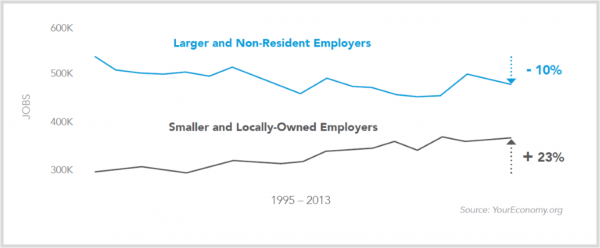 Local and regional organizations and associations, such as the MetroHartford Alliance’s HYPE, reSET, United Way’s Emerging Leaders and the Urban League’s Young Professionals “engage and connect millennials” and offer “business advisory services and other supports to help small businesses thrive,” the report explains, providing “a great start” on what needs to be done.
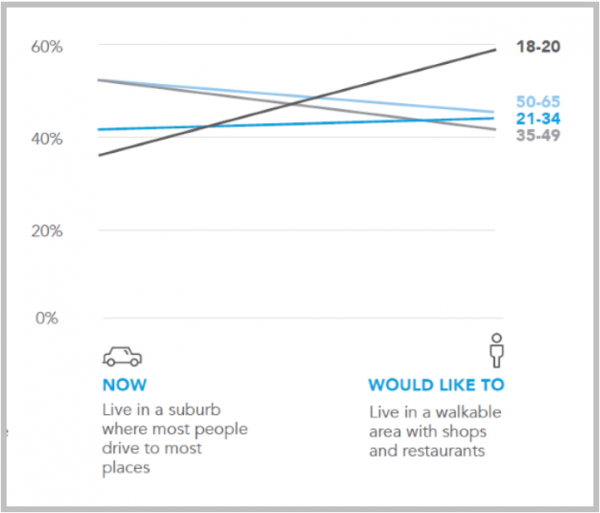 The report includes a timeline of past efforts aimed at addressing the region’s long-standing challenges, “not to be disheartening, but instead to highlight where positive changes have been made” and how collaborative efforts can “create opportunities for all Greater Hartford residents.” The report also indicates that:

 The entire statewide system in Connecticut, purchased through A&T, cost $13.26 million with annual maintenance costs of about $3.2 million, Stephen Verbil, a telecommunications manager with the Division of the Statewide Emergency Communications,
  The same measure showed the age 20-34 demographic group, at 0.22 percent, was considerably below the rate for other age groups. (This rate means that 221 out of every 100,000 adults in this age group became entrepreneurs in a given month.) The data also indicates that the rate of new entrepreneurs for the age 20-34 group is down from the high point for this age group of 0.28 percent in 1996.