Connecticut Export Week, Which Starts Today, is One-of-a-Kind in U.S.
/There is only one state in the nation that has an “export week,” designed to encourage more in-state businesses to take the first steps toward building international business connections. “Connecticut Export Week,” now in its third year, takes place March 19-23, 2018.
The week-long focus on the business potential of exports features a dozen events and webinars with expertise offered in a range of broad and very specific aspects of international business. It is a joint initiative of the U.S. Export Center and the affiliated District Export Council. Connecticut is the only state where the local office of the federal agency functions as the State Trade Office.
The initiative has been very successful in exporting awareness and training for companies, according to officials. The information shared by experts at programs and events during the week helps companies become “Export Ready” so that when they use agency services to meet new customers and get into new markets, they are better prepared to close the deal.
According to the Connecticut Business and Industry Association's 2017 international trade survey, there are nearly 6,000 companies exporting from within the state. Connecticut achieved export levels in goods and services reaching $14.4 billion, contributing to the more than $1.45 trillion in U.S. commodity exports in 2016.
Topics during the week will include Market Research, Global Intellectual Property, Digital Strategy, Doing Business with NATO, export Finance and Insurance for U.S. Exporters, Understanding Foreign Exchange and Letters of Credit and Export Documentation Basics. There will also be a CEO’s and Managers Export Forum, a session focused on Opportunities for Advanced Manufacturing in Germany, and another on Infrastructure in Peru.
According to U.S. Census Bureau 2017 data, nations topping the list of exports from Connecticut are France (14.3%), Canada (12.8%), Germany (12.4%), United Kingdom (8.8%), Mexico (7.0%), China (5.4%), Netherlands (4.2%), Japan (3.7%), South Korea (3.6%) and Singapore (2.7%).
CBIA noted that the vast majority (89%) of Connecticut businesses engaged in international trade are small and midsize enterprises employing fewer than 500 workers. The top three areas where Connecticut companies are looking for assistance, the survey found, are market research (52%), making connections with customers (32%), and finding foreign representatives (19%). Connecticut's top three export categories, the CBIA survey pointed out, are transportation equipment, machinery, and computer and electronic products, sold primarily to France, Germany, and Canada.
Between 2007 and 2017, there has been a steady increase in the number of Connecticut companies engaging in international trade, the CBIA survey found —from 53% to 77% over the 10-year period.

 The Gold Star Memorial Bridge, described as “Connecticut’s most iconic structure,” is the largest bridge in the State of Connecticut. It is 6,000 feet long and over 150 feet tall at the center span. The bridge is actually a pair of steel truss bridges that span over the Thames River, between New London and Groton, according to the project website.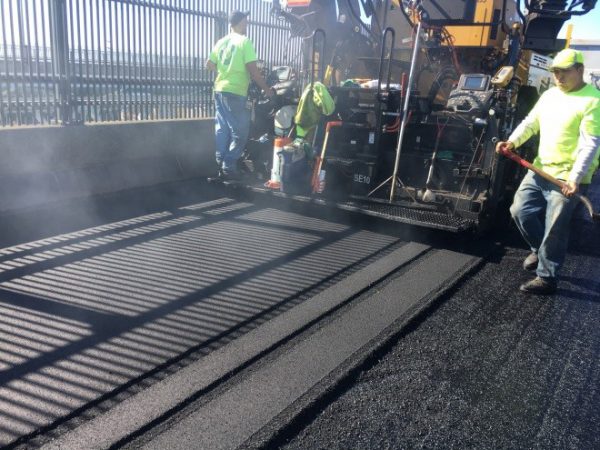
 “Repairs and maintenance of the bridge’s structural steel includes steel girder end repairs, bolt replacements, and bearing replacement and maintenance. Repairs to the substructure include concrete repairs and crack sealing,” the website explains.
 The deadline for submission for the 2018 Connecticut Book Awards is April 20, 2018. Finalists will be announced in September and winners announced in October. For more information, visit:


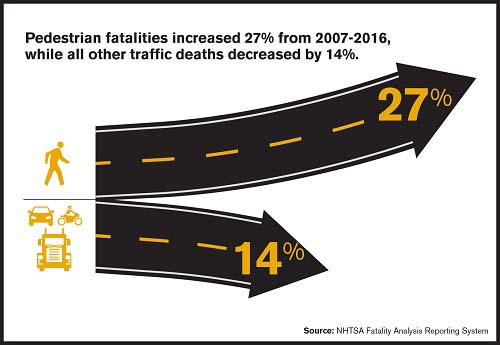 The total number of multimedia messages sent has more than tripled since 2010. The report also suggests a possible link with marijuana use. According to the report, the seven states (Alaska, Colorado, Maine, Massachusetts, Nevada, Oregon, Washington) and DC that legalized recreational use of marijuana between 2012 and 2016 reported a collective 16.4 percent increase in pedestrian fatalities for the first six months of 2017 versus the first six months of 2016, whereas all other states reported a collective 5.8 percent decrease in pedestrian fatalities.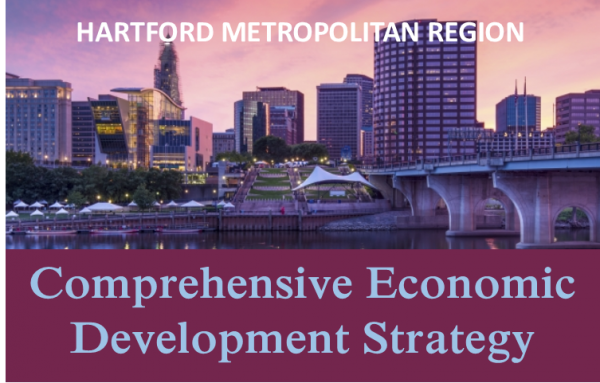
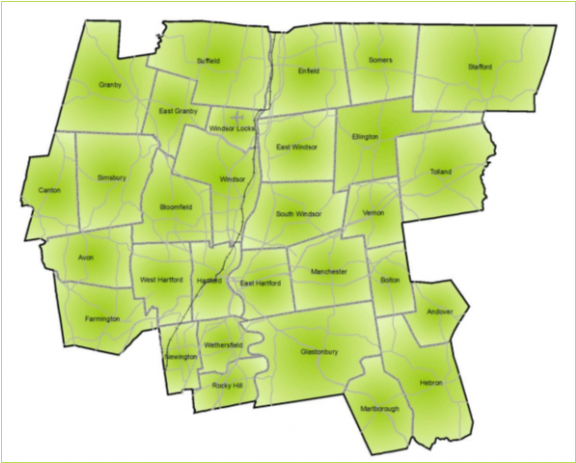 “There is only one way our region will achieve equitable and sustainable economic growth. We must eschew the past squabbles and divisions that have kept us mired in anemic progress,” said Jay Williams, president of the Hartford Foundation and co-chair of the CEDS Advisory Committee. “If we commit to a bold, collaborative, and pragmatic approach, we can develop a roadmap to capitalize on the enormous talent and multiple assets our region possesses. I’ve seen the success of this approach in other parts of the country and there is absolutely no reason it can’t occur here, unless we lack the collective will to make it happen.”

 The move comes just under four years after MassMutual