New Haven, Bridgeport at Bottom of Ranking for Disability-Friendly Cities
/Connecticut’s two largest cities are not particularly hospitable for individuals with disabilities, according to a new national analysis. New Haven and Bridgeport are at the bottom of a list of 182 cities that were included in the review, released this month to coincide with National Disability Employment Awareness Month
 The personal-finance website WalletHub compared the largest U.S. cities – including at least two from each state - across 31 key indicators of disability-friendliness. The data set ranges from wheelchair-accessible facilities per capita to rate of workers with disabilities to quality of public hospital system. The 31 indicators were grouped into three categories: Economy, Quality of Life and Health Care.
The report on 2018’s Best & Worst Cities for People with Disabilities placed New Haven at the bottom of the list, and Bridgeport just two positions higher. They were the only Connecticut cities evaluated in the analysis.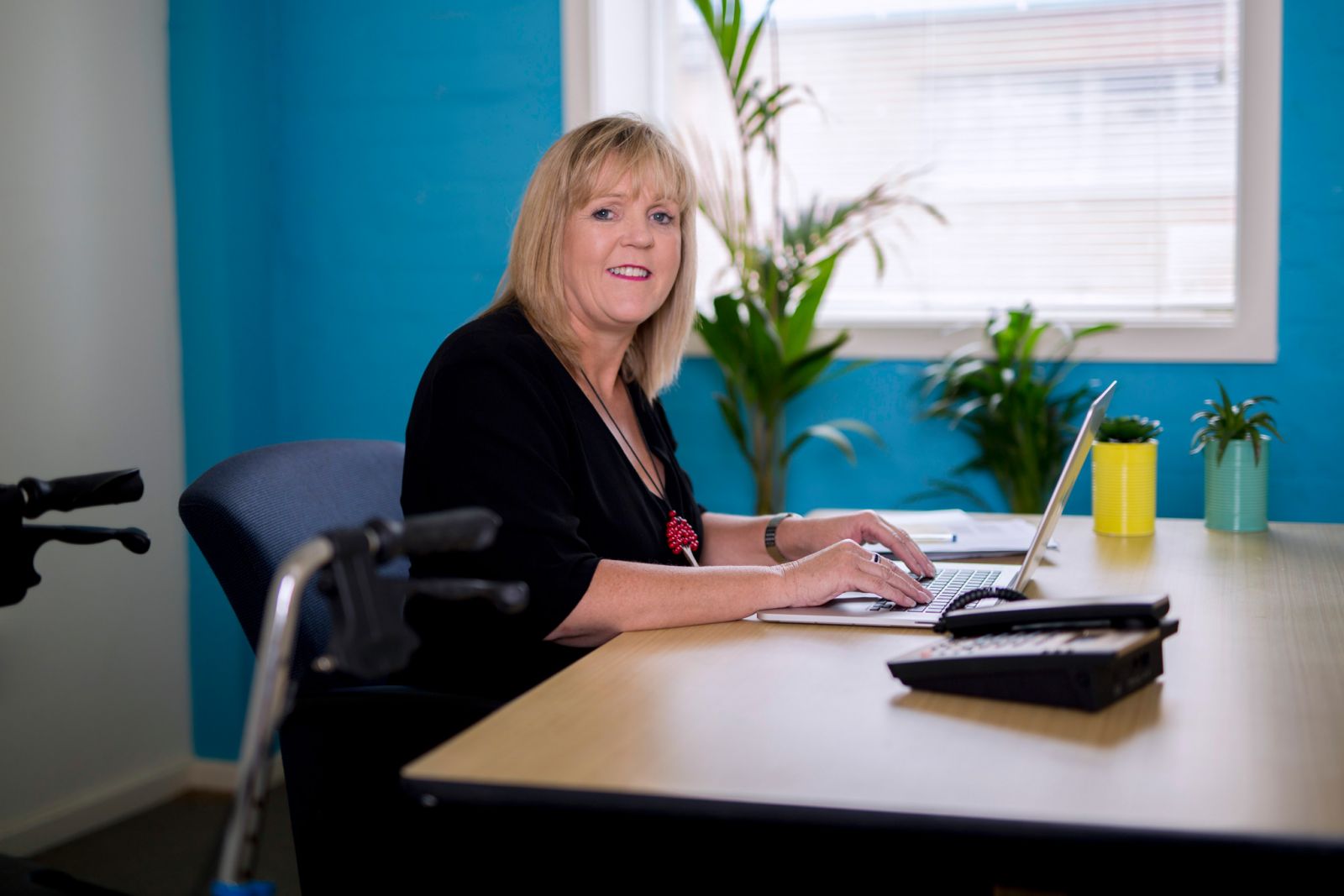
According to the Centers for Disease Control and Prevention, one in four U.S. adults, or 61 million total, have a disability that impacts their major activities. And among Americans age 65 and older, that number rises to two in five. In 2017, nearly 5.7 million people with disabilities were employed.
New Haven, which ranked number 182 overall, ranked 180 in Economy, 134 in Quality of Life and 173 in Health Care. Bridgeport, just above New Haven at number 179 in the overall ranking, placed 164 in Economy, 128 in Quality of Life and 163 in Health Care.
WalletHub analyst Jill Gonzalez explained that among the metrics dragging down New Haven's overall ranking was the second lowest employment rate for people with disabilities, at 71.03 percent. This refers to the civilian non-institutionalized population aged 18-64 in the labor force. Other areas where New Haven ranked poorly, Gonzalez pointed out, were the share of people with disabilities living in poverty, which is almost 37 percent, and the relatively low number of family doctors and general practitioners per capita.
Bridgeport ranked as the fourth worst city for people with disabilities. One of the issues driving the ranking, Gonzalez said, was similar to New Haven's - a low employment rate for people with disabilities, at 74.28 percent. The other issues are mostly related to the quality of life.
 “Bridgeport has one of the lowest number of wheelchair accessible art, entertainment and recreational establishments per capita, and a large number of older buildings with little to no access for disabled residents," Gonzalez said.
The analysis found that only Detroit had a lower employment rate for individuals with disabilities that New Haven. On the overall list, Providence, RI was just one notch above New Haven, at the bottom of the rankings.
The cities ranked at the top of the list were Overland Park, KS; South Burlington, VT; Sioux Falls, SD; Scottsdale, AZ; Columbia, MD; San Francisco; Rapid City, SD; St. Louis, MO; Bismarck, ND; and Grand Rapids, MI.
Data used to create this ranking, according to WalletHub, were collected from the U.S. Census Bureau, Bureau of Labor Statistics, Department of Housing and Urban Development, Council for Community and Economic Research, Centers for Disease Control and Prevention, National Center for Education Statistics, Centers for Medicare & Medicaid Services, Trust For Public Land, Genworth Financial, United Cerebral Palsy, WalkScore, Yelp, Rails-to-Trails Conservancy, Affordable Housing Online, Kaiser Family Foundation, Eligibility.com, Redfin and WalletHub research.

 Among the 10 largest state agencies in Connecticut, OEC’s goal is to keep the state’s children safe, healthy, learning and thriving. Through its innovative feedback efforts, the agency is acting on evidence that engaging providers and parents in policymaking yields better results. Officials said that the agency combined data from 1,700 family surveys, another survey shared with all providers in the state, and 400 community and provider meetings in order to build a draft plan to transform the ECE system in the state, which serves 200,000 children.




 Marion Manufacturing Company, located in Cheshire, will offer visitors a “first-hand look at manufacturing in today’s high tech world.”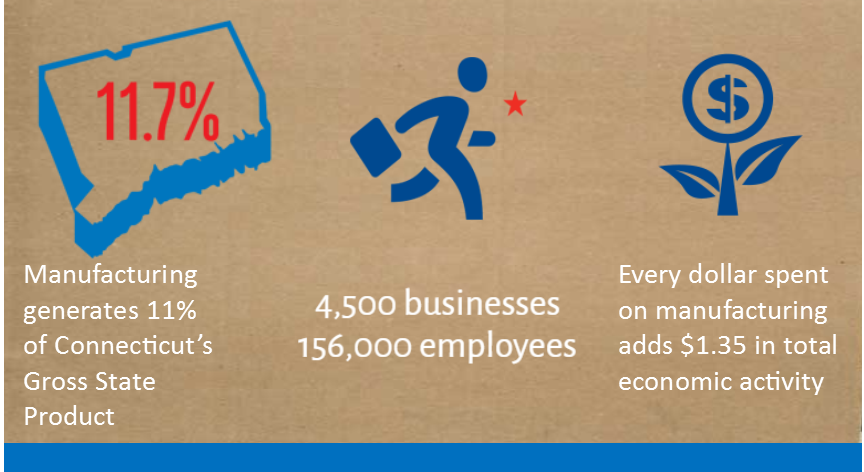
 e the community a better place.”


 Just over a decade later, her business acumen and history of public service put her on a ticket for statewide office. In 1990, New Haven-area Congressman Bruce Morrison won a primary to be the Democrats choice for Governor, former U.S. Senator Lowell Weicker started his own political party to launch is comeback with a candidacy for Governor, and Republicans nominated another Congressman, John Rowland of Waterbury.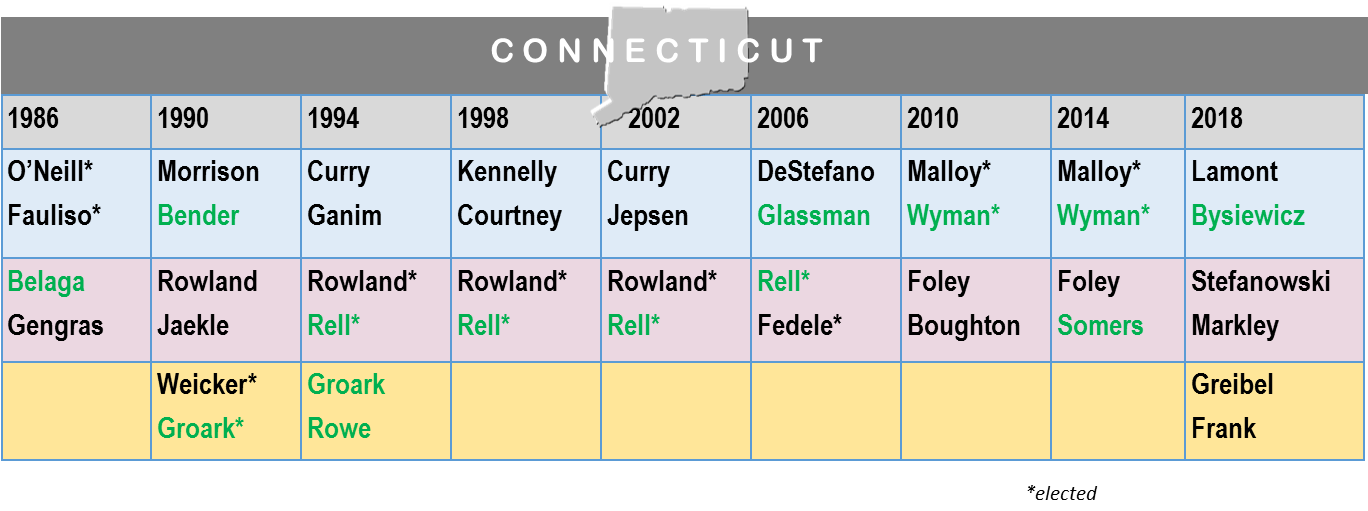
 She is also remembered as the Democratic candidate the first time two women were on the November ballot for Lieutenant Governor of Connecticut. That occurred again in 1994 and 2014. At least one woman has been a candidate for Lieutenant Governor or Governor - or both - in every election cycle since 1986, and Connecticut's voters elected Nancy Wyman to serve as Lieutenant Governor in 2010 and 2014, following one term of a man in that role, the only such term since 1990. This year, Susan Bysiewicz is on the ballot for that office. A woman has been elected either Governor or Lieutenant Governor in Connecticut in every election since 1990.
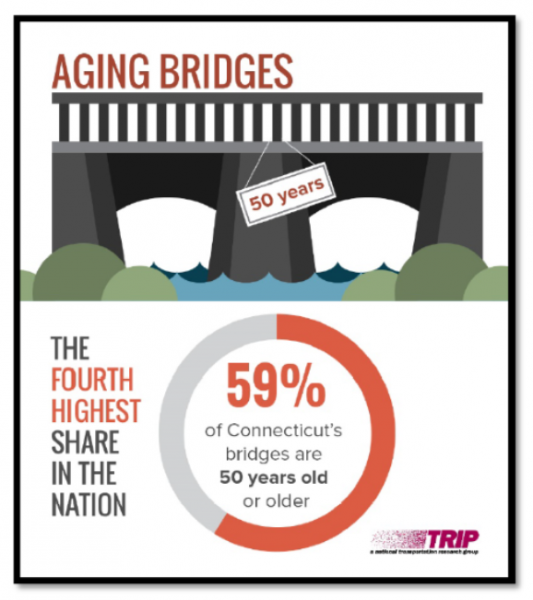 Yesterday, it was announced that 59 percent of Connecticut’s more than 4,000 bridges are 50 years or older, the fourth highest rate in the nation. The average age of all Connecticut’s bridges is 53 years, while the average age of the state’s 308 structurally deficient bridges – seven percent of the total - is 69 years. Structurally deficient bridges in Connecticut are crossed daily by 4.3 million vehicles.
 The report also noted that “annually, $489 billion in goods are shipped to and from sites in Connecticut, largely by truck,” adding that “approximately 731,000 full-time jobs in Connecticut in key industries like tourism, retail sales, agriculture and manufacturing are completely dependent on the state’s transportation network.”
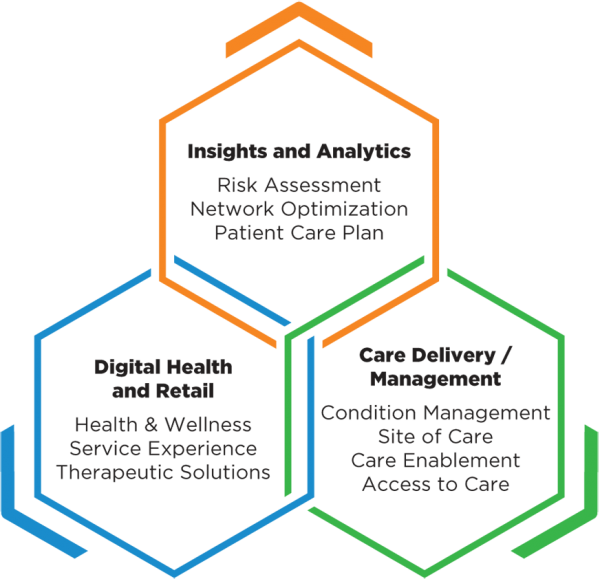 Companies in the portfolio, according to published reports, include Omada Health, a digital therapeutics company treating chronic diseases; Prognos, a predictive analytics company for healthcare; Contessa Health, a home-patient care service; Mdlive, which provides remote health consultations; and Cricket Health, a special kidney care provider.