Efforts to Improve Math Education in CT Don't Yet Add Up, Report Finds
/If Connecticut students are to excel in math, it will take a concerted effort at the state and district level, revised curriculum by state colleges preparing math teachers, and greater community involvement. That overall effort, according to a new state report, still has a ways to go.
The 30-member Commissioner’s Council on Mathematics report, issued last week, outlines recommendations for educators, policy leaders, and community members to improve K-12 mathematics education in the state. The report stresses several recommendations that are grounded in the lessons learned regarding strong leadership, quality professional development, dedicated time, and effective collaboration within, among, and beyond school districts.
The council outlines several specific actions for the State Department of Education, individual school districts, higher education, and the community in the report that are distilled into four broad recommendations. Each recommendation is evidence-based, actionable, inclusive of all stakeholders, and measurable.
The four broad recommendations are:
- develop a clear and consistent understanding of the Connecticut Core Standards-Mathematics (CCS-M) at the classroom, school, district, and state levels;
- provide the support and training necessary to effectively implement the mathematics standards with fidelity in all classrooms, schools, and districts;
- implement appropriate interventions and acceleration to support the needs of a diverse group of learners; and
- engage all stakeholders in the process of putting the Connecticut Core Standards-Mathematics into practice through effective communication that keeps teachers, parents and community members informed and participating in the process.
 “Every student deserves the opportunity to receive a math education that is rich and rigorous, and equips them with the skills needed to graduate from high school prepared to be successful in both college and career,” said Commissioner Wentzell. “These recommendations by the Council on Mathematics have created a clear path that will help the State Department of Education take the steps needed to ensure that every student in our state receives a high-quality mathematics education.”
Next steps identified in the report include that “all stakeholders need to work and learn more in the area of mathematics education,” specifically as it relates to the following:
- instructional support necessary for students with special needs to access the standards;
- instructional support necessary for English learners to access the standards;
- interconnectedness of curriculum, instruction, and assessment; and
- teacher evaluation and certification requirements.
The framework for the recommendations was a logic model described as four buckets: Deep Knowledge of the CCS-M, Curriculum Development and Implementation, Intervention and Acceleration, Community and Family Engagement.
The Commissioner’s Council on Mathematics was initiated by Commissioner Wentzell in 2015 in response to the Smarter Balanced test results in mathematics. The council was convened to spearhead the state’s efforts to improve supports in mathematics by identifying best practices and exploring promising innovations in mathematics instruction.
Communities are urged, in some of the recommendations, to establish partnerships with local districts to create internships for high school students with businesses that require mathematics skills, use social media and distribution lists to promote the importance of the CCS-M, and urge community members to attend and participate in state- and district-provided workshops that deliver information about the standards.
Among a series of recommendations aimed at higher education, colleges are urged to:
- Increase mathematics coursework for elementary pre-service teachers.
- Increase coursework that focuses on the mathematical practices at all levels.
- Collaborate with district partners to ensure that pre-service teachers’ field experience is with a teacher who exhibits conceptual understanding, deep content knowledge, and effective use of the practices.
- Mentor teachers and provide training specific to mathematics content and pedagogy to teachers who will be assigned a pre-service teacher.
- Create professional learning workshops for in-service teachers to interact with professors at the university to make the connections of what is being taught at the K-12 level and how it is used in higher education.
- Build relationships with high schools by promoting early college experiences in high schools
- Require coursework in family engagement strategies for pre-service teachers.
 Council members included parents, teachers, curriculum specialists, principals, superintendents, board of education members, higher education professors, business leaders, and State Department of Education staff members with the purpose of closely examining the current state of mathematics education in Connecticut.
The Commissioner selected the members through recommendations made by various stakeholder groups across the state, including the Connecticut Parent Teacher Association (CT-PTA), the American Federation of Teachers-Connecticut (AFT-CT), the Connecticut Education Association (CEA), the Connecticut Association of Schools (CAS), the Connecticut Business & Industry Association (CBIA), and the Connecticut State Department of Education (CSDE). They met monthly from February 2016 to June 2016, and the recommendations were developed with the input of local school districts, higher education, and experts in family and community relations, according to the report.


 Unite For Sight's international eye care services with partner local eye clinics are provided year-round and are comprehensive, including examinations by local eye doctors, diagnosis and care for treatable conditions, education, and preventative care. The organization’s website indicates that Unite For Sight has provided eye care services to more than 2.1 million people worldwide, including more than 93,166 sight-restoring surgeries.
 The conference also includes Social Impact Labs, which provide an opportunity for selected speakers to present their new idea in the format of a 5-minute pitch. All of the presentations are ideas that are being developed, meaning that the ideas are in the brainstorming, early development, or early implementation stage. Following each presenter’s 5-minute pitch, there is a 15-minute period for discussion and coaching with two expert speakers, questions, answers, and feedback from the audience.
 The U.S. Department of Education July 2016 Data Point report from the National Center for Education Statistics includes data from the School Crime Supplement (SCS) to the National Crime Victimization Survey, a nationally representative sample survey of students ages 12 through 18, which were used to analyze trends in hate-related words. The SCS study is completed every other year.
 oped by the federal Health Resources and Services Administration notes that “indirect bullying” includes “rumor spreading or encouraging others to exclude a peer.” Bullying is described as “a public health problem and requires a coordinated community response.”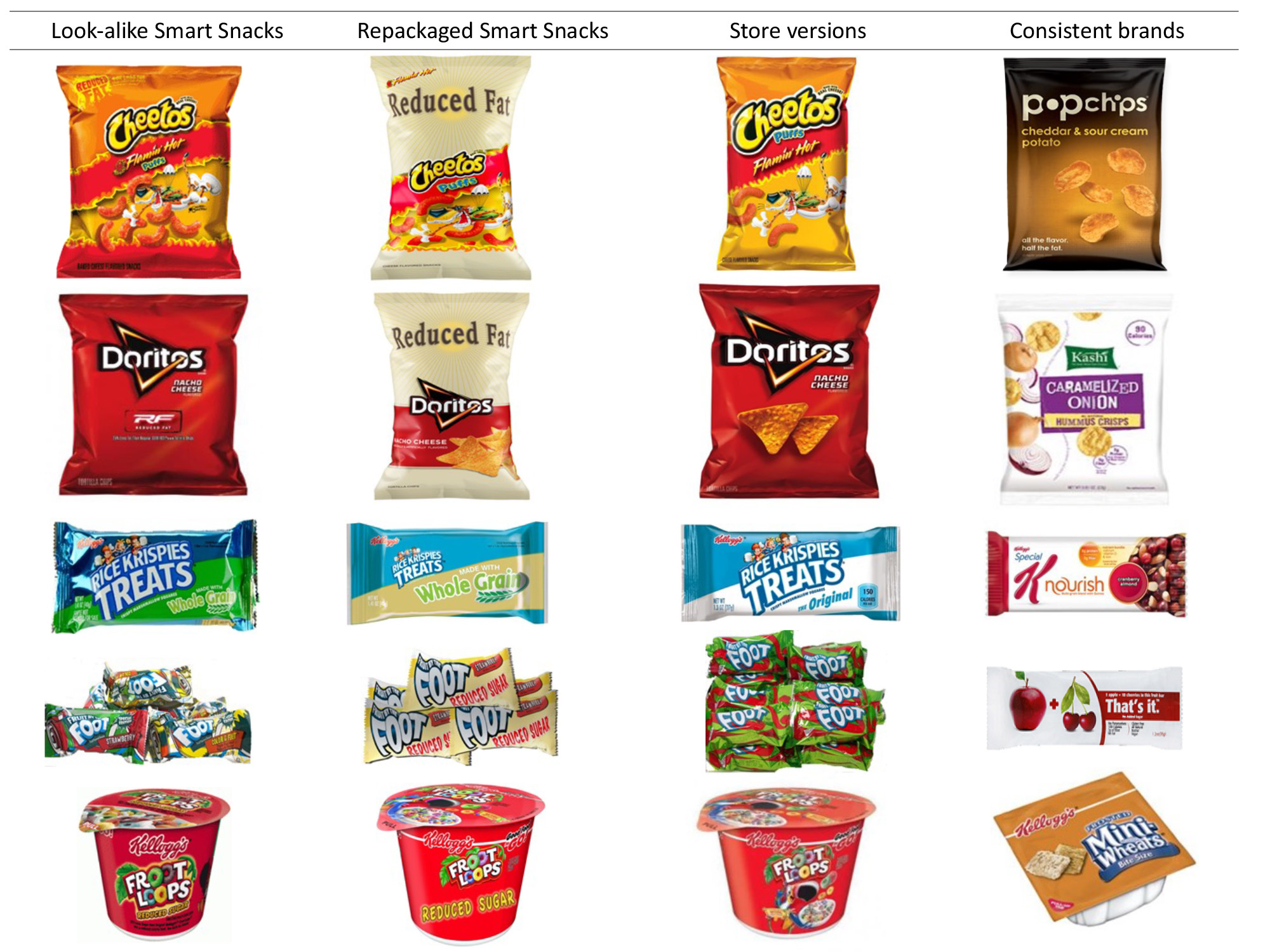
 “The practice of selling look-alike Smart Snacks in schools likely benefits the brands,” says Harris, “but may not improve children’s overall diet, and undermines schools’ ability to teach and model good nutrition.”
 The
The  A minimum-wage worker in Connecticut would need to work full time for 36 weeks, or from January to September, just to pay for child care for one infant. And a typical child care worker in Connecticut would have to spend 63.6% of her earnings to put her own child in infant care, according to the data.


 The New Haven Register
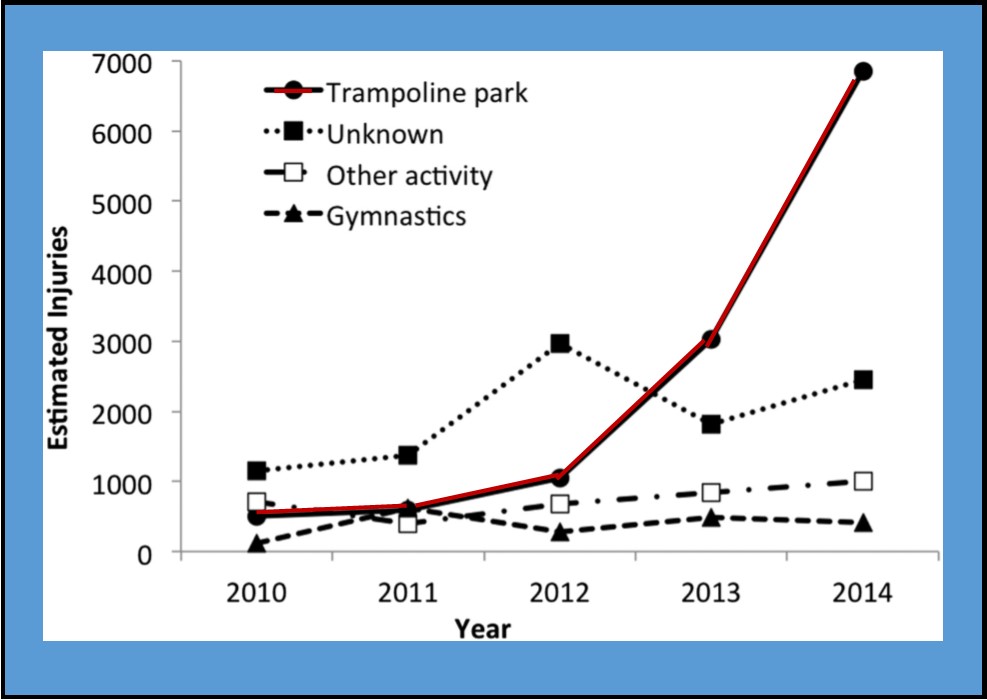 running in communities including Hartford, New Britain, Trumbull, Bethel, Stamford, Norwalk, Manchester, Milford, Danbury, New Milford, Ridgefield, Brookfield, Wallingford. Another is expected soon in East Haven.
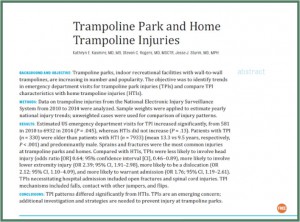 s," the organization said following publication of the study.
 The NCHS data also ranked Connecticut 12th in the Cesarean Delivery Rate.
 Regarding the percentage of babies born to unmarried mothers, a statistic long tracked by federal health officials, three states saw more than half the children born in that category. The highest percentages were in Mississippi (54.0%), Louisiana (52.7) and New Mexico (51.3%).

 The Connecticut Interscholastic Athletic Conference