Suicides in Connecticut, Nationally Increase in Recent Years, Extending Trend
/The number of Americans who die by suicide has climbed to more than 40,000 deaths annually, according to data from the Centers for Disease Control and Prevention. Between 2007 and 2012, total annual suicide deaths increased in all but two states, and twenty states recorded increases of more than 20 percent – including Connecticut, where the suicide rate increased 36 percent in the five-year period.
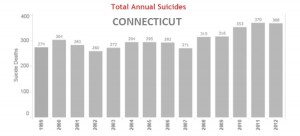 Connecticut had 368 suicides in 2012, compared with 271 in 2007, which was the lowest number in the state since 2002. Suicide is the 10th leading cause of death in the United States, according to the CDC. The data, through 2012, indicated that the rate of suicides in Connecticut ranked the state 44th in the nation, according to the National Center for Health Statistic as published in Governing Magazine.
In Connecticut, the age-adjusted rate of 9.9 per 100,000 population is below the national rate of 12.5, and well below states including Utah (21.0), New Mexico (21.3) and Montana (22.6). New York (8.3) and New Jersey (7.4) had the lowest suicide rates among their population. The number of suicides has increased in New York and decreased in New Jersey in recent years.
Nationwide, the number of suicides has been steadily increasing each year for more than a decade. In 2012 there were 40,600 deaths by suicide reported, compared with 34,598 in 2007, an increase of 17 percent, and 29,350 in 2000.
Research hasn’t linked a single prevailing factor to steadily rising rates, according to published reports. But some of the more commonly cited culprits, according to Governing magazine, are the downturn in the economy, prescription drug abuse and returning veterans suffering from post-traumatic stress disorder. About half of suicides nationally are committed with firearms, according to CDC data.
Suicide increases are especially apparent in what some have described as the Suicide Belt, a region stretching from Idaho down to Arizona and New Mexico where self-inflicted deaths are more prevalent, according to Governing. Some site the relative lack of access to mental health care as a possible contributing factor.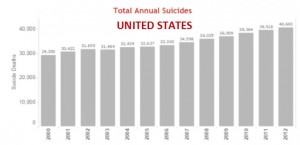
From the 2012 CDC data, men were about four times more likely than women to take their own lives. Women, however, are about three times more likely than men to attempt suicide. From 1986 to 2000, suicide rates in the U.S. dropped from 12.5 to 10.4 suicide deaths per 100,000 people in the population. Over the next decade, however, the rate generally increased, and was at 12.5 percent by 2012.
https://youtu.be/R26mpTIVbx0
 S. approximately 48 people will have a cardiac arrest event outside of the hospital. Nine out of ten people will not survive. However, if lifesaving CPR is performed, a victim’s chance of surviving can double, or even triple, according to the American Heart Association.
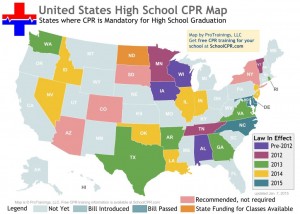 national initiative.






 poll analysis, it is pointed out that connecting with another parent who is awake in the middle of the night can help to counteract feelings of isolation. Asking for other parents’ recommendations can facilitate the choice of a new childcare provider. And hearing about strategies used by other parents can offer practical tips to deal with a toddler’s behavior problem.

 among young adults (aged 18-24) attending college was 26.7 percent, nearly double the volunteer rate of young adults not attending college (13.5 percent).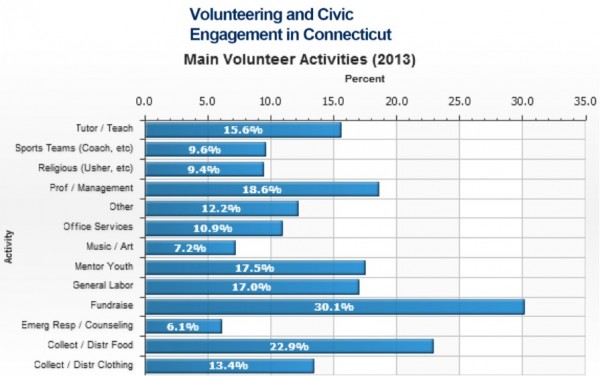


 Among the students participating in the project were William Pritchard, interaction design and project management; Somaiyeh Ghaffarnia, animation and character development; Sean Dexter, 3D animation; Kevin Richetelli, 2D animation; Samantha Menza, game design; Tom Lee, game design and music composition; and Tiffany Hoang, game design. Prtichard and Ghaffarnia began working on the project as undergrads and continued while pursuing their graduate degrees. The other students were undergrads.

 Charter Oak’s proposal would create an Experimental Site in financial aid that would offer aid to students for prior learning (established via portfolios and tests), with the aim of making a college degree more affordable and accessible.