Performing Marriage Ceremonies: CT and MA Present Very Different Choices
/Getting married in Connecticut or Massachusetts are two vastly different experiences – especially when it comes to who can legally perform the ceremony. Massachusetts – many options. Connecticut – not so much. A Connecticut Justice of the Peace may perform a marriage anywhere in the state. That’s where the flexibility ends. So-called Internet Ministers are not authorized to perform marriage ceremonies in Connecticut. JPs from other states are not recognized in Connecticut. Nor does the state offer ordinary citizens authorization to perform a specific ceremony.
In neighboring Massachusetts, ordinary citizens – such as the couple’s best friend – can legally perform the wedding ceremony. And the number of people doing just that is growing rapidly, an analysis by the Boston Globe illustrated recently.
Across the state, the one-day marriage designation, which grants non-clergy the right to officiate at a wedding and sign a marriage license, is growing in popularity. The annual number of applications more than doubled from 2008 to 2014, according to records obtained by the Globe and MuckRock.com.
Last year, 5,083 people applied for the designation to perform weddings in 322 of the state’s 351 municipalities, the records showed. In Boston alone, one-day officiants married more than 600 couples that year, the Globe reported.
The state of Massachusetts has received just shy of 2,000 applications so far this year, the governor’s office indicated to the Globe. To obtain the one-day marriage designation, applicants submit a form, a letter of recommendation, and $25 to the governor’s office. The location of the wedding must be in Massachusetts, though neither the couple nor the officiant have to be residents.
For many couples, the one-day designation offers a secular way to celebrate a marriage. One-fifth of the U.S. public — and about a third of people under 30 — do not have a religious affiliation, the highest percentage on record, according to the Pew Research Center, the Globe reported.
Connecticut General Stautes (Sec.46b-22) governs who may join persons in marriage in Connecticut:
- all judges and retired judges, either elected or appointed and including federal judges and judges of other states who may legally join persons in marriage in their jurisdictions
- family support magistrates
- state referees
- justices of the peace may join persons in marriage in any town in the state
- all ordained or licensed clergymen, belonging to this state or any other state, so long as they continue in the work of the ministry
In Connecticut, many weddings are performed by justices of the peace, and there are no special requirements to become a justice of the peace. However, the process is controlled by the local towns (town clerks) and the political parties. Each town sets aside one-third of the total allotted number to each major political party, Democrats and Republicans, and to minor parties and unaffiliated. The parties decide the rules for appointments with the Independents governed by the town clerk. The term is for four (4) years and coincides with presidential elections with the office beginning January 1. In addition, “all marriages solemnized according to the forms and usages of any religious denomination in this state,” according to the CT Business Response Center website. All marriages attempted to be celebrated by any other person are void, the state website emphasizes.
Regarding Connecticut weddings, private websites also warn against internet ordinations or other creative ideas. “You are strongly cautioned that Connecticut has cracked down on people getting "ordained" via the Internet. Such "ordinations" are not valid in Connecticut. Marriages performed without the proper legal authority are not valid,” indicates the website nutmegjp. Connecticut law does not set the fees that Justices of the Peace may charge for their services.
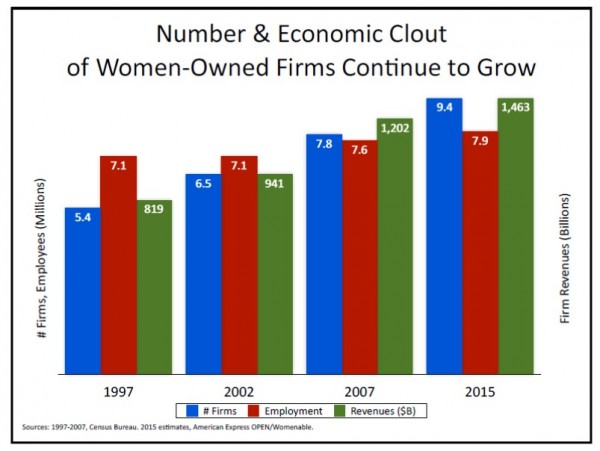
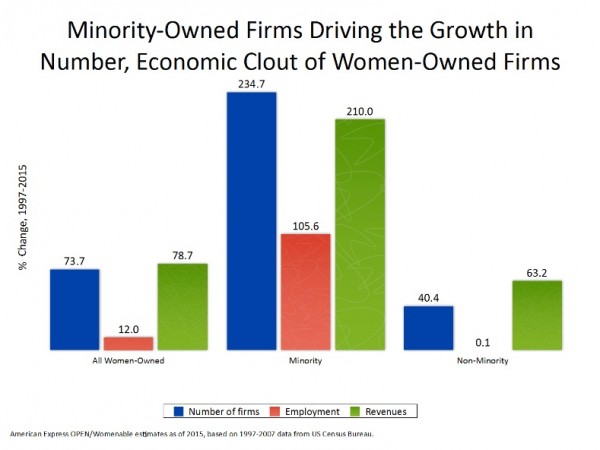
 The newly released report, looking back at the past two decades, found that women-owned firms are found in every state and in every industry:

 The
The 









 Fixed route transportation operates along a prescribed route and on a fixed schedule, and includes buses and light rail. In 2014 in Connecticut, buses provided over 43 million passenger trips and rail provided over 39 million passenger trips. Demand-responsive transportation provides routes and scheduling more individually tailored to the needs of the user. The Americans with Disabilities Act (ADA) requires transit agencies to provide paratransit service, subject to certain parameters, to people with disabilities who cannot use the fixed route services. Paratransit ridership in Connecticut in fiscal year 2014 under the ADA totaled over one million rides, and dial-a-ride ridership neared 100,000 rides.
 ommunities are located within a reasonable distance of quality, dependable public transportation.” In addition, policy makers were urged to “identify funding streams to sustain, coordinate, grow and make more convenient both fixed route and demand-responsive transportation options (including providing door-to-door service), and provide technical assistance to support regionalization efforts.”



 At the Law and Government Academy of Hartford Public High School, one class used Serial as the basis for a semester’s curriculum. Over the course of five months, students examined the issues in each episode of the 12-episode podcast and were asked to choose a side – such as defense counsel, prosecutor, or witness – and then advocate for their position. For their final exam, students wrote appellate court briefs and argued their cases.
 “It’s use of new media and compelling storytelling has opened up many new opportunities for students, educators, and the intellectually curious to reexamine aspects of our legal system,” said CT Forum Executive Director Doris Sugarman. “We’re thrilled to see what is sparked when our community connects to the expression of big ideas that The Forum brings to Connecticut audiences.”


 “We are equally fortunate in bringing Daniel Mackay to the Trust. Dan has tremendous experience, vision and a passion for historic preservation. We also know that he will nurture the relationships of the Trust with the Governor's office, our legislature and the other organizations we partner with. We are very excited for a bright future led by Daniel.”