Loyal Donors, Or Not So Much
/Only 14 percent of American giving comes from foundations, while 73 percent comes from individuals, according to the most recent annual data. Thus the likelihood of current donors continuing to contribute year after year to a charitable organization is critical to their ability to continue pursuing their charitable purpose.
 However, survey data appears inconsistent on whether the trends are good or bad.
A recent survey indicated that for every $100 in new donations nonprofits gained in fiscal year 2014 over the previous year, they lost $95 in lapsed or reduced donations. While that 5-percent net gain in gifts is "disappointing," Nathan Dietz, senior research associate at the Center on Nonprofits and Philanthropy at the Urban Institute, recently told the Chronicle of Philanthropy that the news regarding donors themselves is even worse: for every 100 new donors gained in 2014, participating nonprofits lost 103.
Charities also were asked what percentage of their 2013 donors made repeat gifts to charities in 2014, and the median was 43 percent, the same as from 2012 to 2013. Or, as Dietz described it, "more donors leave than stay."
The study also reveals a large amount of "churn in the donor universe," Dietz said. "It’s hard to predict for any individual donor in general whether they’re going to be still on the rolls next year, donating money next year." Others suggest there is anything but churn in individual philanthropic giving.
Writing in Philanthropy Daily, William Schambra points to data that indicates:
- Almost 80% of all gifts are “100% loyal, meaning that there is a virtual certainty that these gifts will be repeated next year.”
- Only 35% of donors ever do any research, and almost three-quarters of these spend less than two hours at it. Among those who do research, only 24% regard outcomes as the most important information.

- Of those who do research, the overwhelming majority – 63% -- use it only to validate their choice once they’ve made it, to confirm that the group they’ve already chosen isn’t a total fraud. Only 13% use the research to actually help them choose between multiple organizations, i.e., to make decisions about which is comparatively the better performer.
Donation and donor-retention rates matter, fundraisers say, because it almost always costs less to keep a current donor than to find a new one, thus reducing the number of current contributors who don’t return is the least expensive way to spur fundraising gains.
So, are individuals coming or going? Mary Cahalane, a Connecticut-based nonprofit fundraising consultant and author of the blog Hands On Fundraising, said that “the point overall is that what people say is important to them isn't necessarily how they actually behave. That’s a problem with surveys.” She adds that the “80 percent loyal figure doesn't fit with the national average retention rate in the 40s.”
A well-run organization that focuses on holding on to donors should have a first-year retention rate of around 40 to 45 percent and a multiple-year retention rate of 75 to 85 percent, says Roger Craver, author of the book Retention Fundraising: The New Art and Science of Keeping Your Donors for Life and contributor to The Agitator blog, in the Chronicle of Philanthropy.
Even with seemingly inconsistent data, one lesson, Deitz points out to nonprofit organizations, is clear: "Make sure you don’t neglect the people who have been there, who have supported you. They might not be there for you next year."
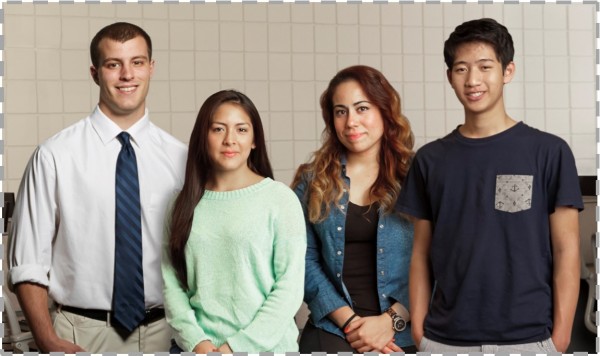
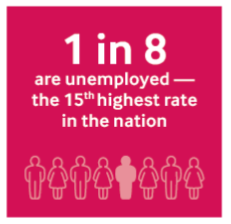 The action plan is spurred by clear concerns: “When young people are not attending school or working, they cannot attain necessary education or work experience, support themselves, save for their future, or contribute to the economy. What future do they face? What future does Fairfield County face?”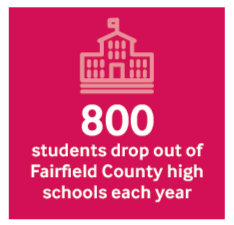
 dgun or revolver, and $25 gift card for a shotgun or rifle. Although held in Hartford and focused on the capital region, the buyback is open to all state residents.
 Hartford police also conducted a gun buyback program in




 "The Connecticut Council for Philanthropy along with other funding partners invested in the first ever statewide Community Wellbeing Survey, a scientific survey of the state’s entire adult population that will provide timely, powerful knowledge about our communities and enable us to better know the people and places we care about,” added Maggie Osborn, President of the Connecticut Council for Philanthropy.
 The APNA Annual Conference delivers more than 100 varied educational sessions and invaluable networking opportunities to the more than a thousand psychiatric-mental health RNs and APRNs who attend each year. The organization has more than 10,000 members nationwide.
 In Florida last month, more than 1,800 attendees were on hand for a program “packed with psychiatric-mental networking, updates, and continuing education targeted to psychiatric-mental health nurses.” Session recordings from the Annual Conferences are made available in the APNA eLearning Center in podcast form, along with up-to-date session slides and other relevant materials.
 In Connecticut, the average rate between 1999 and 2001 was 4.1 per 100,000. Between 2010 and 2013, the drug overdose rate had risen to 8.3, above the national aver
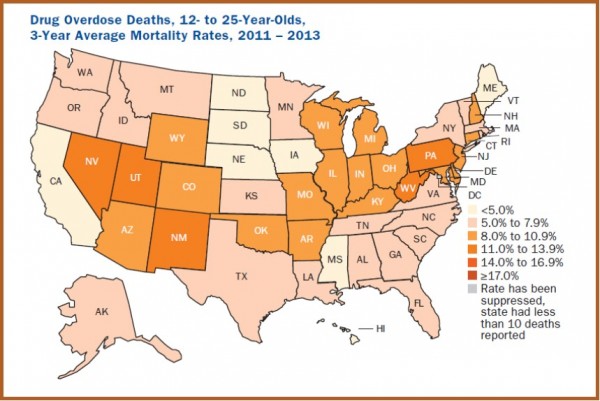 age but unchanged from a previous three-year period, 2005-2007. The data was compiled from the Centers for Disease Control and Prevention. Males are 2.5 times as likely to overdose as females (10.4 vs. 4.1 per 100,000), according to the report.
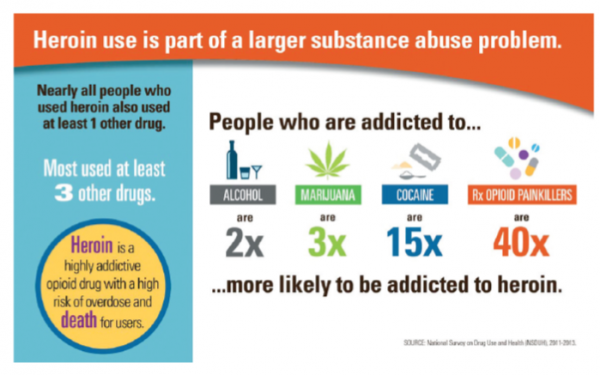 s to help practitioners identify potential abuse that leads to over prescribing by requiring them to check patient history to verify if patients seeking certain prescriptions have recently received these medications from multiple other prescribers or pharmacists.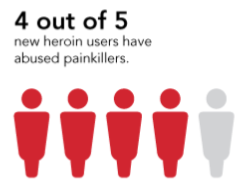
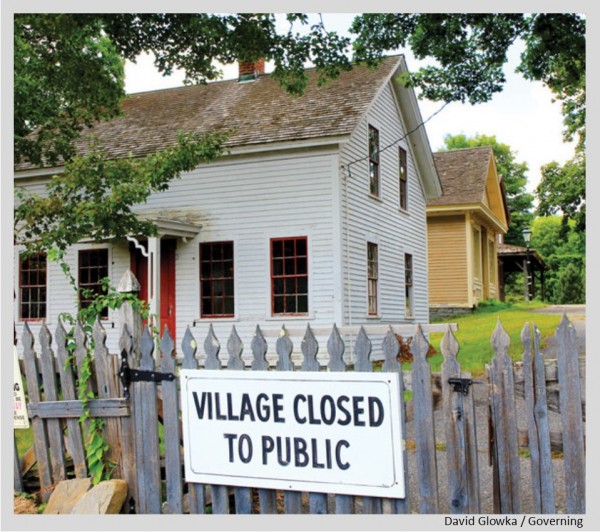
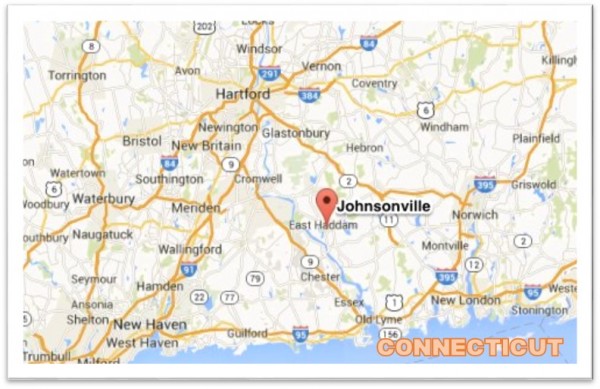


 Instead,
  l bus injuries in the U.S. every year — two to three times National Highway Traffic Safety Administration estimates, which use only a sampling of data and exclude field trips like the one on which Vikas Parikh died. Seat belts work best in rollover and side-impact collisions in which students are thrown out of their seats, as Vikas was. The American Academy of Pediatrics supports restraints on buses.”
 “Key and First Niagara are a powerful combination, driven by a shared commitment to the clients and to the communities we serve,” KeyCorp Chairman and CEO Beth Mooney said. “This transformational opportunity will bring compelling and complementary capabilities to our shared three million clients, while driving meaningful synergies and enhancing shareholder value. KeyBank and First Niagara both have values-based cultures and a long-term commitment to and experience with the region.”