$100,000 Grant to Nonprofit Collaborative Efforts to Assist Immigrants in Connecticut

George Soros has been a prominent international supporter of democratic ideals and causes for more than 30 years. His philanthropic organization, the Open Society Foundations, supports democracy and human rights in more than 100 countries. Now, the Open Society Foundation’s Emma Lazarus II Fund has officially granted $100,000 to The Community Foundation for Greater New Haven (CFGNH) on behalf of the Immigrant Strategic Funders Collaborative for Connecticut (The Collaborative) for the period that began on November 1, 2015 and continues through December 31, 2016.Open Society Foundation Logo

The Collaborative aims to provide matching funds to enhance statewide efforts and local work supporting Connecticut’s immigrant families.

The Collaborative seeks to increase the numbers of applicants for administrative relief under these programs, to ensure the applicants are screened for eligibility for more permanent immigration benefits and to continue to expand current advocacy work in support of stronger protections from detention, deportation and abuse.immigrant

The grant comes as the organization prepares to move forward with implementation of both Deferred Action for Parental Accountability (DAPA) and the expansion of Deferred Action for Childhood Arrivals (DACA), under President Obama’s 2014 Executive Actions.  Officials indicate that to achieve their objectives, The Collaborative will prioritize the following:

  • Increasing access for undocumented immigrants to a full spectrum of immigration services, including legal services;
  • Promoting the understanding of DACA and DAPA and to support outreach to DACA-eligible and DAPA-eligible residents across Connecticut;
  • Strengthening advocacy efforts at the local and State levels in support of public policy and public funding that will address the needs of undocumented immigrants and will advance the utilization of DACA and DAPA; and
  • Enhancing the capacity of immigrant serving and advocacy nonprofit organizations through funding and through supporting the sharing of knowledge and best practices.

community-foundation-560x302Thus far, eight leading funding institutions in Connecticut have expressed their intentions to commit financial contributions in support of the Collaborative goals utilizing their institutional grant-making process.  Those organizations include Fairfield County’s Community Foundation, Hartford Foundation for Public Giving, Hispanic Federation, Perrin Family Foundation, Progreso Latino Fund (a committee-advised fund at CFGNH), Tariq Farid Foundation and The Community Foundation for Greater New Haven.

Officials say that the success of The Collaborative will depend largely on the partnerships it can build with service providers, advocacy organizations and others throughout the State of Connecticut that share the goal of enhancing the lives of undocumented immigrants. The Collaborative is working with a growing list of organizations, with further additions anticipated.  Among those thus far:

  • Apostle Immigration Services (New Haven)
  • Center for Latino Progress (Hartford)
  • City of New Haven
  • City of Hamden
  • Congregations Organized for a New Connecticut (New Haven and Bridgeport)
  • Connecticut Parent Power (Statewide)
  • Connecticut Students for a Dream (Statewide)
  • Elm City Internationals (New Haven)
  • Hartford Public Library (Hartford)
  • International Institute of Connecticut (Statewide)
  • Junta for Progressive Action (New Haven)
  • Neighbors Link Stamford (Stamford)
  • New Haven Legal Assistance Association (New Haven)
  • Unidad Latina en Acción (New Haven)
  • Yale Law School Worker and Immigrant Rights Clinic (New Haven)

CT Cities Above Average in Pursuing Equal Rights for LGBT Residents, Led by New Haven, Stamford

The Human Rights Campaign (HRC), the nation’s largest lesbian, gay, bisexual, and transgender (LGBT) civil rights organization, has released its fourth annual report assessing LGBT equality in 408 cities across the nation, including seven in Connecticut. The average score for cities in Connecticut is 74 out of 100 points, above the national average of 56. The 2015 Municipal Equality Index (MEI), the only nationwide rating system of LGBT inclusion in municipal law and policy, shows that cities across the country, including in Connecticut, continue to take the lead in supporting LGBT people and workers, even when states and the federal government have not.MEI-cover-1600x900

Connecticut’s municipal scores are: New Haven: 99, Stamford: 91, Hartford: 91, Waterbury: 70, New Britain: 63, Storrs (Mansfield): 54, and Bridgeport: 51.  Across the country, 47 cities earned perfect 100-point scores, up from 38 in 2014, 25 in 2013 and 11 in 2012, the first year of the MEI. This year’s MEI marks the largest number of 100-point scores in its history.  Stamford scored the biggest jump in Connecticut from last year's analysis, advancing nearly 30 points while four other Connecticut cities also included last year earned similar scores in 2015.

For LGBT Americans, legal protections and benefits vary widely from state to state, and city to city. The MEI rates cities based on 41 criteria falling under five broad categories:

  • Non-discrimination laws
  • Municipality’s employment policies, including transgender-inclusive insurance coverage, contracting non-discrimination requirements, and other policies relating to equal treatment of LGBT city employees
  • Inclusiveness of city services
  • Law enforcement
  • Municipal leadership on matters of equality

The review indicates that in 31 states, LGBT people are still at risk of being fired, denied housing or refused service because of who they are, and who they love. The lack of legal protection in many states is driving the HRC effort to pass the Equality Act, which would extend nationwide non-discrimination protections to LGBT Americans. Officials say that the MEI is a crucial tool in evaluating the patchwork of LGBT policies and practices in cities and towns across the nation.

New Haven received an initial score of 94, before receiving 5 bonus points for municipal services and being a “welcoming place to work.”  The Elm City earned perfect scores in 4 of the 5 categories - for non-discrimination laws, municipal services, law enforcement and the relationship with the LGBT community.  Hartford earned a perfect score in three categories, but fell short in “law enforcement” and “municipality as an employer”.  The city has an initial score of 84, before receiving 7 bonus points, for providing services to LGBT elderly, youth, homeless, and people living with HIV/AIDS. muni index

Bridgeport earned a perfect score in one category, non-discrimination laws, but a 0 in the “municipality as employer” category.  The city did, however, receive 2 bonus points for being a “welcoming place to work.”

In 2014, the MEI included only five cities in Connecticut – Bridgeport, Hartford, New Haven, Stamford and Storrs (Mansfield). Stamford jumped 29 points in a year, while New Haven and Hartford each lost a point between last year and this year’s survey.  Bridgeport and Storrs also dropped slightly in the new ratings. The scores last year:  New Haven: 100, Hartford: 92, Stamford: 62, Storrs 59, Bridgeport: 57. Stamford’s much higher rating was driven by three categories: non-discrimination laws, where the score moved from 18 to 30, relationship with the LGBT community, which increased from 2 to 8 and also picked up 7 bonus points, and municipal services, which increased from 10 to 16.

“Across our country, cities and towns both big and small aren’t waiting for state or national leaders to move LGBT equality forward,” said HRC President Chad Griffin. “Instead, these municipalities are taking action now to improve the lives of countless LGBT Americans. In what has been an historic year for equality, a record-breaking number of municipalities this year have earned top scores in our Municipal Equality Index for their inclusive treatment of their LGBT citizens and workers. They are making a powerful statement that no one should have to wait for full equality - the time is now.”

Key findings contained in the MEI, issued in partnership with the Equality Federation, provide a revealing snapshot of LGBT equality in 408 municipalities of varying sizes, and from every state in the nation. The cities researched for the 2015 MEI include the 50 state capitals, the 200 most populous cities in the country, the five largest cities in every state, the city home to the state’s two largest public universities, and an equal mix of 75 of the nation’s large, mid-size and small municipalities with the highest proportion of same-sex couples.

"This year, an unprecedented wave of discriminatory legislation attempted to roll-back our efforts for LGBT equality,” said Rebecca Isaacs of the Equality Federation. “Despite that challenge, over 20 towns and municipalities passed non-discrimination ordinances, some in the most unexpected places. These wins, along with historic LGBT visibility, speak to the tenacity of our advocates all across the country, many of whom donate their time to achieve fairness and equality. The MEI is an important tool for our movement that illustrates our successes and the work ahead of us. We will not stop until all Americans have a fair opportunity to provide for themselves and their families, free from the scourge of discrimination."

The 2015 MEI revealed that 32 million people now live in cities that have more comprehensive, transgender inclusive non-discrimination laws than their state or the federal government. Cities with a higher proportion of same-sex couples tended to score better, officials said, and the presence of openly-LGBT city officials and LGBT police liaisons also were correlated with higher scores.  The average city score was 56 points, with half of the cities researched scoring over 61 points. Eleven percent scored 100 points; 25 percent scored over 77 points; 25 percent scored under 31 points; and five percent scored fewer than 10 points.

At the state level, earlier this year, the Connecticut legislature approved a new law ensuring that transgender people can change their birth certificates to reflect their correct name and gender without unnecessarily expensive and invasive obstacles. The new law simplifies the process by empowering transgender people to change their birth certificate by providing a statement of appropriate treatment by a healthcare provider.  It took effect on October 1.  Similar laws have been approved in Hawaii, California, Iowa, New York and Vermont.

The full Human Rights Campaign report, including detailed scorecards for every city, as well as a searchable database, is available online at www.hrc.org/mei.

Child Poverty on the Rise; State Budget Percentage for Children Dropping, Advocacy Group Says

When the state legislature in Special Session this month restored planned budget cuts that would have adversely impacted Connecticut children and families, advocates for those segments of society praised the action.  But they also took the opportunity to highlight continued disparities and shortfalls in the level of state resources allocated to programs and policies impacting children in the state. “Alleviating the wide disparities left in the wake of the economic recovery, including record-high child poverty, requires a state budget that reflects the needs of our children and families,” pointed out Connecticut Voices for Children, an organization marking two decades of advocating for Connecticut children. CV chart

They went on to point out that a recent update to their Children’s Budget finds “continued long-term disinvestment in programs that serve children and families,” such as K-12 education, developmental services, and health coverage - down nearly 10 percentage points from the early 1990s when the state spent nearly 40% of the General Fund on such programs.

They also noted that while child poverty has increased by more than 16.4 percent since the economic recovery began in 2010 (from a rate of 12.8 percent to 14.9 percent), the share of the state budget that is appropriated to the Children’s Budget has declined by 5.7 percent (from 32.4 percent of General Funds to 30.6 percent).

“We believe that more can and must be done in the upcoming session and in the years to come to reverse the long term decline in state investment in children and youth and to prioritize the establishment of equitable opportunity across race, ethnicity and zip code,” said Ellen Shemitz, executive director of Connecticut Voices for Children.  The legislature’s 2016 session convenes in February.

Among the aspects of the budget impacted in the Special Session were a series of “short-term fixes,” according to published reports, such as transferring $5.7 million from various accounts to the state's general fund, including the school bus seat belt account, and $15.1 million from public colleges and universities. voices logo

A November report by Connecticut Voices for Children found that "despite lower levels of unemployment, the recovery has left behind many of our state’s residents, including people of color, young workers, those paid low wages, and many with relatively low levels of education. These trends have  made it more difficult for families to afford their most basic needs."  The report stressed that "failure to address the needs of our children sets us up for an intergenerational cycle of poverty that will undermine preparedness for work in a state that has long boasted one of the nation’s most productive and highly educated workforces."

childenThis summer, Shemitz was among those appointed to serve on the state’s Commission on Economic Competitiveness, created by the legislature amidst concerns in the state’s business community about the perceived lack of competitiveness.  The Commission is considering steps to improve Connecticut’s employment and business climate including measures to support workforce development and family and economic security.  Recommendations are anticipated for legislative action next year.

Writing recently in the Hartford Business Journal, Shemitz stressed that the state needs “a healthy economy to assure gainful employment and economically secure families.”  She noted that “business climate is about more than taxes.  A healthy business climate requires good transportation and a highly educated workforce, both of which depend upon strategic planning and public investment.”  The Commission’s organizational meeting was held in September.  (CT-N coverage)  It is co-chaired by State Rep. William Tong (D-Stamford) and Joe McGee, Vice President of the Business Council of Fairfield County.

Based in New Haven, the mission of Connecticut Voices for Children is to “promote the well-being of all of Connecticut's young people and their families by advocating for strategic public investments and wise public policies.”


Loyal Donors, Or Not So Much

Only 14 percent of American giving comes from foundations, while 73 percent comes from individuals, according to the most recent annual data.  Thus the likelihood of current donors continuing to contribute year after year to a charitable organization is critical to their ability to continue pursuing their charitable purpose. donateHowever, survey data appears inconsistent on whether the trends are good or bad.

A recent survey indicated that for every $100 in new donations nonprofits gained in fiscal year 2014 over the previous year, they lost $95 in lapsed or reduced donations.  While that 5-percent net gain in gifts is "disappointing," Nathan Dietz, senior research associate at the Center on Nonprofits and Philanthropy at the Urban Institute, recently told the Chronicle of Philanthropy that the news regarding donors themselves is even worse: for every 100 new donors gained in 2014, participating nonprofits lost 103.

Charities also were asked what percentage of their 2013 donors made repeat gifts to charities in 2014, and the median was 43 percent, the same as from 2012 to 2013. Or, as Dietz described it, "more donors leave than stay."

The study also reveals a large amount of "churn in the donor universe," Dietz said. "It’s hard to predict for any individual donor in general whether they’re going to be still on the rolls next year, donating money next year."  Others suggest there is anything but churn in individual philanthropic giving.

Writing in Philanthropy Daily, William Schambra points to data that indicates:

  • Almost 80% of all gifts are “100% loyal, meaning that there is a virtual certainty that these gifts will be repeated next year.”
  • Only 35% of donors ever do any research, and almost three-quarters of these spend less than two hours at it. Among those who do research, only 24% regard outcomes as the most important information.philanthropy
  • Of those who do research, the overwhelming majority – 63% -- use it only to validate their choice once they’ve made it, to confirm that the group they’ve already chosen isn’t a total fraud. Only 13% use the research to actually help them choose between multiple organizations, i.e., to make decisions about which is comparatively the better performer.

Donation and donor-retention rates matter, fundraisers say, because it almost always costs less to keep a current donor than to find a new one, thus reducing the number of current contributors who don’t return is the least expensive way to spur fundraising gains.

So, are individuals coming or going?  Mary Cahalane, a Connecticut-based nonprofit fundraising consultant and author of the blog Hands On Fundraising, said that “the point overall is that what people say is important to them isn't necessarily how they actually behave. That’s a problem with surveys.”  She adds that the “80 percent loyal figure doesn't fit with the national average retention rate in the 40s.”

A well-run organization that focuses on holding on to donors should have a first-year retention rate of around 40 to 45 percent and a multiple-year retention rate of 75 to 85 percent, says Roger Craver, author of the book Retention Fundraising: The New Art and Science of Keeping Your Donors for Life and contributor to The Agitator blog, in the Chronicle of Philanthropy.

Even with seemingly inconsistent data, one lesson, Deitz points out to nonprofit organizations, is clear: "Make sure you don’t neglect the people who have been there, who have supported you. They might not be there for you next year."

Fairfield County’s Community Foundation Strives to Create Opportunities for Young Adults Close to Home

For Fairfield County’s Community Foundation, two local trends are unmistakable.  Connecticut’s population is aging, and too many young people are unable to become self-sufficient by age 25. The recognition that as older, experienced workers retire, Connecticut’s economy will increasingly rely on young adults to provide goods and services, lead companies, and start new businesses has been the impetus for action, and a new initiative underway this fall.thrive

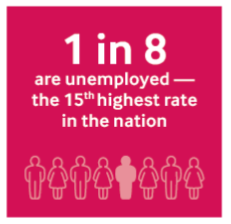
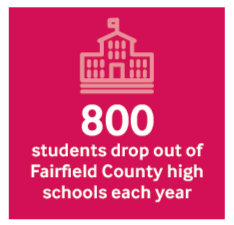
Fairfield County’s 100,000 young people ages 16 to 24 face youth unemployment rates between 13.6 percent and 49.5 percent, one of the nation’s most expensive housing markets, and a shortage of living-wage entry jobs.

A multi-faceted initiative, Thrive by 25, has begun with the clear goal of advancing opportunity for the region’s young adults – no easy task in Fairfield County.thrive

“If our young people are not prepared for tomorrow’s jobs, or they relocate to find quality jobs and housing they can afford, employers will recruit from other states or leave. Businesses will struggle. Unemployment will rise, our tax base will shrink, and the need for government services will increase,” the organization’s website sums up the challenge.

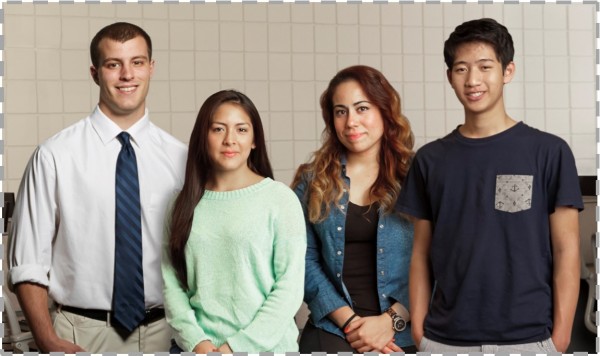
“Our vision is for every young person in Fairfield County to achieve self-sufficiency, thrive by 25, and enrich their communities. We see three paths to this accomplishment: college readiness and scholarships, vocational education, and quality internships,” the website indicates.fccf_large

The program brochure is encouraging, noting that in a local survey 95 percent of respondents ages 18 to 25 have some vision of what they want to achieve in a career and many are interested in completing a master’s degree.  In addition, the “intersection of jobs and education” is highlighted:  “a growing body of research suggests that low-income teens who participate in after-school internships and summer jobs during high school are likely to have higher grades, better attendance, a greater likelihood of graduation, and a higher average salary throughout their lifetime.”

unemploy statThe action plan is spurred by clear concerns: “When young people are not attending school or working, they cannot attain necessary education or work experience, support themselves, save for their future, or contribute to the economy. What future do they face? What future does Fairfield County face?”
Seven steps have been developed to guide the effort:

  1. Listen to Fairfield County’s young adults.
  2. Reach out to others who have a role in making an impact on these issues.
  3. Make vocational-technical secondary school programs, apprenticeships and personalized training more widely available to high school students.
  4. Enhance early college programs and the transition from high school to college
  5. Tap into the lessons learned from other local and national efforts
  6. Ensure local nonprofits are prepared to be key participants in Thrive by 25
  7. Focus the Community Foundation’s resources as effectively as possible

A highly attended Kick-off Breakfast at the Trumbull Marriott launched the initiative, with JPMorgan Chase & Co. announcing an expansion in their commitment to Connecticut, joining the Community Foundation in supporting the Pathways to Careers Fairfield County pilot with a $200,000 grant. The grant is part of JPMorgan Chase & Co.’s New Skills at Work initiative, which seeks to address the skills gap that exists across many industries, where not enough trained workers have the specific skills to fill the jobs available.800

Pathways to Careers Fairfield County is a multi-sector partnership with high-opportunity and high-growth employers and is based on Our Piece of the Pie’s Pathways to Careers model. Our Piece of the Pie, a Hartford-based, urban youth development and workforce opportunity non-profit organization, has developed the successful upstate CT Pathways to Careers program into a best-practice model for moving young people quickly into jobs with career pathways.

Fairfield County’s Community Foundation promotes philanthropy as a means to create change in Fairfield County, with a particular focus on innovative and collaborative solutions to critical issues impacting the community. Individuals, families, corporations and organizations can establish charitable funds or contribute to existing funds.

The vision of the Thrive by 25 initiative is “to give all Fairfield County youth the opportunity to thrive by age 25 – no matter their family income, school district or zip code.”  For more information, visit www.FCCFoundation.org.


Gun Buyback Program in Hartford on Saturday As Controversy Swirls

In the midst of a heightened public debate regarding gun control, in the aftermath of mass shootings around the country and an increased homicide rate in Hartford in 2015, the Capital Region Gun Buyback program – now in its 7th year – will take place on Saturday, December 19 at the Community Renewal Team in Hartford. “Unwanted firearms in the home are dangerous,” officials point out, asking that Connecticut residents “turn in a working gun in a clear plastic bag” in exchange for a gift card.  Guns may be turned in anonymously.  Those doing so will receive a $200 gift card for an assault rifle, $100 gift card for a hanHartford+Gun+Buyback+Editeddgun or revolver, and $25 gift card for a shotgun or rifle.  Although held in Hartford and focused on the capital region, the buyback is open to all state residents.

Participating sponsors include Hartford Hospital, Connecticut Children’s Medical Center, Saint Francis Hospital and Medical Center, Connecticut Trial Lawyers Association, Stop & Shop, Lamar Advertising and the Community Renewal Team, at 555 Windsor Street, which is the drop-off location for the weapons.

The program also occurs in the midst of renewed efforts by gun control advocates including Gov. Dannel Malloy. On Monday, New York Gov. Andrew Cuomo and Sen. Charles Schumer announced plans for New York to join Malloy in banning gun sales to those on federal no-fly lists.  Malloy proposed the ban last Thursday, announcing he would issue an executive order to ban the sales.  A similar law was passed by New Jersey's legislature two years ago, according to published reports.

Officials in Worcester, Mass. report that the local annual Goods for Guns buyback program there saw over 271 firearms and 54 pellet guns to law enforcement throughout central Massachusetts last Saturday (Dec. 12).  Local residents were able to trade in guns for supermarket gift cards at police departments across the region.  Rifles, replica guns and pellet guns were exchanged for $25. Pistols could be traded in for $50, while $75 was given for semiautomatic weapons.  The Associated Press, citing local officials, reported that 103 rifles, 125 handguns and 43 semiautomatic weapons were turned in.  Worcester collected weapons for the towns of Shrewsbury, Northborough and Westborough.

gun buy backHartford police also conducted a gun buyback program in June, which brought two dozen weapons, according to published reports.  And reports leading into last December’s buyback program in Hartford indicated that more than 800 unwanted firearms were collected in the first five years of the annual program.  On December 14, 2014, a total of 104 weapons were collected, according to local officials.  That compares with the first year of the program, in which 78 weapons were turned in.

A similar program in Bridgeport since 2012 has netted more than 1,000 guns.  The most recent buyback program was held in August, according to local news reports, led by the Bridgeport Police Department’s Community Services Division, in which 127 weapons were turned in.  In Stamford, a gun buyback program in 2013 brought in 63 firearms and in 2014 the city’s police department saw 76 firearms turned in.

Officials point out that non-working guns, black-powder weapons, flare guns, pellet/BB guns and ammunition /magazine clips may be turned in, however they will not be eligible for a gift card.  More information about Saturday’s program in Hartford is available by calling 860-249-1072.

In Rochester, New York last month, a one-day gun buyback program saw more than 200 working firearms turned in.  A gun buyback program was held in San Francisco this past weekend.  That city has seen 950 guns turned in during gun buyback programs since 2011.  Totals for this year were not yet available.  That same day in Clearwater, Florida a total of 458 guns were collected by local police officers in about four hours.

Is TV Traffic Reporting in Connecticut For Women Only?

Three of the women who deliver traffic reports each weekday morning on Connecticut's four network-affiliated television stations have backgrounds in television news reporting, and the fourth has made traffic her specialty on local radio stations as well as television.   They are unquestionably hard-working professionals whose reporting is seen, and relied upon, by thousands of commuters each day.  They hold jobs, however, that appear to be reserved for women. Few recall the last time  that a man was the regular morning traffic reporter on a local television station in the sate, although men and women serve, or have served as anchors, reporters, sports reporters, and meteorologists.  At a time when more attention is being paid to the gender-centered nature of some positions in the workplace, televised traffic reporting in Connecticut remains squarely the domain of women.  traffic

Heidi Voight, the traffic reporter for NBC Connecticut, is a Connecticut native, has television news experience in Springfield, Mass., and is a national spokesperson for the M.I.A. Veterans Recovery Project.  The station points out that Voight “has been exposed to nearly every position in the newsroom and has experience reporting, anchoring, shooting video, working on the assignment desk and producing newscasts.”  Voight succeeded Kayla James.

Nicole Nalepa came to WFSB from WWLP-TV/22News in Springfield, MA where she anchored the early morning weekday newscast. She also served as the senior weekday morning reporter and early morning show producer in Springfield, and was one of the first live, on-scene reporters from Western Massachusetts during the manhunt for the Boston Marathon bombing suspect.  Previously, Nalepa was selected for a post-grad summer internship at CBS News on the "CBS Evening News with Katie Couric." She also interned at WFXT-Fox 25 in Boston.  Nalepa succeeded Olessa Stepanova, who moved on to handle traffic chores for Boston's WCVB after three years in Hartford.   traffic

Teresa DuFour has been working in the news and entertainment industry since 2003. The morning traffic reporter for  WTNH News 8’s Good Morning Connecticut started off behind the camera, and worked her way up from the assignment desk to the news desk.  After DuFour graduated from the University of Connecticut in 2001 with her bachelor’s degree in broadcast journalism, she worked at a number of radio stations across the state. She anchored and reported daily newscasts for KISS 95.7 and Westwood One Radio Network. Between 2004 and 2006, she was a reporter and anchor for KTVE and KARD in New Orleans, covering Hurricane Katrina, among other stories.  A native of Middlebury, she had her first child earlier this year, and serves as co-host of the WTNH program Connecticut Style.  She succeeded Desiree Fontaine in both roles.

While DuFour was on maternity leave, traffic was reported by Marysol Castro.  A New York City native and Wesleyan University graduate, Castro previously was an anchor at WPIX-TV in New York City and  weather anchor for the CBS News morning program 'The Early Show.'

Fox CT’s traffic reporter Rachel Lutzker gave birth to her third child earlier this year, is a native New Yorker who first came to Connecticut to attend the University of Hartford. While there she began interning at KISS 95.7 and decided to make a career in media. She is also heard each morning on iHeartMedia Connecticut stations providing up-to-date traffic reports, and doing the same on the drive home each workday on The River 105.9.  Rachel’s career has included stops at WCBS New York as traffic reporter, WFSB-TV and now WTIC-TV.traffic

The website payscale.com reports that 59 percent of traffic reporters nationwide are women.   When the CBS affiliate in Chicago was seeking a new traffic reporter a few years ago, they held open tryouts among viewers.  The winner of the  CBS 2 Chicago Traffic Tryouts competition, Derrick Young, was awarded a contract and continues to report the traffic alongside the station's morning news team.

PHOTOS:  Nicole Nalepa,  Teresa Dufour, Heidi Voight, Rachel Lutzker (credits: station websites)

NOTE:  This story will be updated as additional information becomes available.


Economic Divide Evident in Comprehensive Statewide Survey; Residents Generally Happy in CT, But 1/3 Face Barriers, Financial Challenges

The largest-ever quality of life survey of Connecticut residents, conducted during the past six months,  has found that four out of five adults report feeling happy and satisfied with where they live; but one-third of adults report just barely or not getting by financially.  The disparities in quality of life across the state’s population were a constant running through the survey results. In-depth interviews were completed with 16,219 randomly-selected adults in every Connecticut city and town. Although Connecticut does well when compared to national and international averages of health, income, and education, survey officials said, results reflect that disparities are still great, with a sizeable share of residents continuing to face significant barriers to economic success, safety, health, and other critical aspects of well-being.datahaven

The 2015 DataHaven Community Wellbeing Survey, which asked more than 100 questions of survey respondants, created a detailed portrait of social and economic conditions in towns throughout Connecticut and adjacent sections of New York State.  DataHaven, a non-profit group leading the collection and study of neighborhood-level public data on key social and economic trends, undertook the survey with assistance from Sienna College in New York. It is said to be the most intensive effort of its kind in the United States, according to the survey’s leaders.  Among the key findings:

  • 74% of men and 75% of women in Connecticut report feeling mostly or completely happy during the previous day. However, this measure varied widely by income, ranging from 53% among adults earning less than $15,000 per year to 89% among adults earning $200,000 or more.
  • Although official unemployment rates have fallen substantially since 2012, 14% of Connecticut workers are still considered “under-employed,” meaning that they have no job and would like to work or they are currently working part-time but would prefer to have a full-time job. Within the Greater New Haven region, the “under-employment” rate among workers fell from 21% in 2012 to 13% in 2015.
  • Two-thirds (66%) of Connecticut residents say that they are either doing alright or living comfortably when asked how they are managing financially these days. However, 11% are finding it difficult or very difficult, and an additional 21% say that they are just getting by.
  • Many in Connecticut still struggle to afford food, adequate housing, and reliable transportation. One out of every ten adults identifying as white or Asian-American, and one out of every four adults identifying as African-American or Latino, reported that they did not have enough money to buy food for themselves or their family at some point during the past 12 months – in some cases, facing this situation almost every month of the year. About 6% of adults reported that they did not have enough money to provide adequate housing for themselves or their family, and 13% reported a lack of reliable transportation, at some point in the past year.survey_says

“The purpose of the DataHaven Community Wellbeing Survey is to produce the highest-quality, neighborhood-level information on issues that are most meaningful to local residents,” explained Mark Abraham, Executive Director of DataHaven.  Abraham also pointed out that “the initiative is helping to strengthen collaborations between dozens of organizations and agencies that are working together to measure social progress and improve population well-being at the statewide and local levels.” The metrics in the survey complement traditional statistics on topics such as employment, personal income, reported crimes, tax base, and industry output.

More than 50 of Connecticut’s leading foundations, hospitals, community institutions, and government agencies have supported the survey initiative.  Major funders are located in Hartford, New Haven, Bridgeport, Stamford, Waterbury, New Britain, Norwalk, Danbury, Greenwich, Middletown, Derby, Bristol, Norwich, New London, Manchester and other cities across the state.

The survey also found that residents of some urban neighborhoods have substantially lower rates of overall satisfaction with where they live as well as much greater concerns about government responsiveness, police effectiveness, and public services. On the other hand, cities such as Stamford, Norwalk, Bridgeport, and New Haven have relatively higher proportions of adults who are optimistic that their neighborhood is improving, and residents of higher-income neighborhoods within these city centers are in some cases significantly more satisfied with local quality of life than the average resident.

Connecticut"The Connecticut Council for Philanthropy along with other funding partners invested in the first ever statewide Community Wellbeing Survey, a scientific survey of the state’s entire adult population that will provide timely, powerful knowledge about our communities and enable us to better know the people and places we care about,” added Maggie Osborn, President of the Connecticut Council for Philanthropy.
In a departure from most statewide and national surveys, officials said, the DataHaven program brings together existing grassroots efforts across the state – effectively unifying more than a dozen pre-existing regional or local surveys into a single, high-quality effort that now covers all areas in Connecticut. The power of the survey results was greatly enhanced both by the number of respondents, as well as by having the same questions being asked of respondents in many different areas.

DataHaven designed its 2015 Community Wellbeing Survey with the support of nearly 100 local government, academic, health-care, and community partners as well as a panel of epidemiologists and survey research experts. The 20-minute survey, conducted by the Siena College Research Institute (SRI) in Loudonville, New York, involved landline and cell phone interviews with nearly 17,000 randomly-selected adults throughout Connecticut and adjacent sections of Westchester County between April and October, 2015.

Psychiatric Nurses to Bring Annual Convention to Hartford in 2016

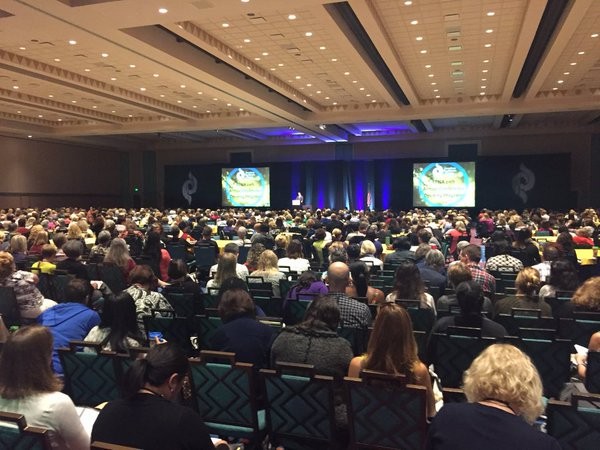
The American Psychiatric Nurses Association 30th Annual Conference will take place next October at the Connecticut Convention Center.  It is the first time that the organization will hold its annual event in Connecticut.  This year’s program was held at Disney’s Coronado Springs Resort in Florida, where attendees had the opportunity to earn up to 29.5 continuing education contact hours onsite and an additional 100 plus contact hours online afterwards.  The 2016 APNA Annual Conference will be held October 19-22 in Hartford. nurses logo The APNA Annual Conference delivers more than 100 varied educational sessions and invaluable networking opportunities to the more than a thousand psychiatric-mental health RNs and APRNs who attend each year. The organization has more than 10,000 members nationwide.
Last month, the APNA joined a White House initiative to address the ongoing epidemic of prescription drug abuse and heroin use across the nation. With organizations from both the public and private sectors participating, the effort seeks to train health care providers, improve access to treatment, and raise awareness of the risks of prescription drug misuse.CShDUVLWoAAGIc9

Approximately 2.3 million US citizens aged 12 and older have opioid use disorder, and most states have higher rates of treatment need than capacity to treat. In this context, educating health professionals and encouraging them to apply best-treatment practices is critical to improve the health of the nation. APNA is one of 8 nursing groups to pledge to be a part of the solution over the next two years.

The American Psychiatric Nurses Association (APNA) was founded in 1986. In the ensuing 28 years, APNA has grown to be the largest professional membership organization committed to the specialty practice of psychiatric-mental health (PMH) nursing and wellness promotion, prevention of mental health problems, and the care and treatment of persons with psychiatric disorders.

The APNA Annual Conference is held in a new location every year to encourage regional participation, add adventure, and provide a venue to connect with other psychiatric-mental health nurse professionals from across the globe, officials point out.

Plans for the convention in Connecticut include programs designed to “advance the profession through networking and education” and opportunities to “celebrate psychiatric-mental health nurses’ outstanding contributions” through the presentation of the APNA Annual Awards.

psych nurse 2In Florida last month, more than 1,800 attendees were on hand for a program “packed with psychiatric-mental networking, updates, and continuing education targeted to psychiatric-mental health nurses.” Session recordings from the Annual Conferences are made available in the APNA eLearning Center in podcast form, along with up-to-date session slides and other relevant materials.

APNA is the only PMH nursing organization whose membership is inclusive of all PMH registered nurses (RN) including associate degree (ADN), baccalaureate (BSN), and advanced practice (APN) comprised of clinical nurse specialists (CNS), psychiatric nurse practitioners (NP), and nurse scientists and academicians (PhD). The American Psychiatric Nurses Association is accredited as a provider of continuing nursing education by the American Nurses Credentialing Center's Commission on Accreditation.family

The Journal of the American Psychiatric Nurses Association (JAPNA), with more than 10,000 subscribers, provides quality, up-to-date information to promote PMH nursing, improve mental health care for culturally diverse individuals, families, groups, and communities, as well as shape health care policy for the delivery of mental health services.

https://youtu.be/AIys4qoQ5q8


CT Drug Overdose Death Rate Above National Average, 20th Highest in US; Doubles Since 2001

In every state, the rate of young people dying from drug overdoses increased in the past decade, according to a report by Trust for America’s Health. In the past 12 years, the overdose rate for people ages 12 to 25 has more than doubled in 35 states and quadrupled in five, Governing magazine reported.  In 1999, not one state had a drug overdose death rate of more than 6.1 per 100,000 young adults. Fast forward 14 years, and 33 states had drug overdose deaths of 6.1 per 100,000 or higher from 2011 to 2013. The national average is now 7.3 per 100,000 youths.deaths In Connecticut, the average rate between 1999 and 2001 was 4.1 per 100,000.  Between 2010 and 2013, the drug overdose rate had risen to 8.3, above the national averusa mapage but unchanged from a previous three-year period, 2005-2007.  The data was compiled from the Centers for Disease Control and Prevention.  Males are 2.5 times as likely to overdose as females (10.4 vs. 4.1 per 100,000), according to the report.
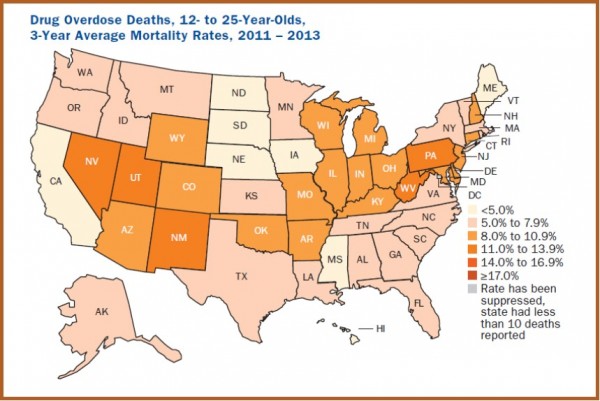

In a report this month, Reducing Teen Substance Misuse: What Really Works, Connecticut ranked 31st lowest (20th highest) for the number of youth drug overdose deaths, with the rate of 8.3 per 100,000 youth, ages 12 to 25. Connecticut is one of 18 states where the overdose death rates have more than doubled in the past dozen years, according to the report.

West Virginia, New Mexico and Utah have the highest rates of young adult overdose deaths, with each around 12 deaths per 100,000 youths in 2013. This is more than five times higher than South Dakota, North Dakota and Nebraska, which had rates around 3 deaths per 100,000 teens and young adults.

The statistics, and the use of opiates and heroin across the country, have been featured in recent weeks on 60 Minutes and The New York Times, focusing on Ohio and New Hampshire, respectively.  Both reports indicated it is a national problem of unprecedented proportion. logo

Drug overdose death rates have increased everywhere since 1999, but the rate has gone down Florida, Louisiana, Maine, Mississippi and Tennessee in the past 8 years. Nevertheless, the rate increased in 13 states since 2007 -- and 11 of those states have overdose death rates above 6.1 per 100,000.

In July, Governor Malloy hosted a bill signing ceremony at a New London treatment center to commemorate the final passage of legislation he introduced aimed at reducing heroin and prescription opioid abuse.  The legislation law improves the prescription monitoring program and prescribing practices, with increased education and tools available to health care professionals, and greater accessibility of the overdose reversing drug naloxone in cases of emergency, according to the Governor’s office.

"We have to treat addiction like a public health issue not a crime,” Malloy said.  “Connecticut is taking a stand against a nationwide prescription opioid and heroin overdose epidemic to become a leader in combating opioid and heroin abuse, preventing drug addiction and overdoses.  This common sense legislation will help save lives and address a pressing public health need."

The legislation streamlines the procesheroins to help practitioners identify potential abuse that leads to over prescribing by requiring them to check patient history to verify if patients seeking certain prescriptions have recently received these medications from multiple other prescribers or pharmacists.

Under the Connecticut law, in cases of overdose or medical emergency, the drug naloxone will be more widely available, allowing pharmacists, after being trained and certified to prescribe it to Connecticut families, first responders, and the treatment community across the state.  In Connecticut, State Police Troopers have saved more than 30 lives from drug overdose by administering NARCAN.

The Reducing Teen Substance Misuse report also includes a review of 10 key indicators of leading evidence-based policies and programs that can improve the well-being of children and youth and have been connected with preventing and reducing substance— alcohol, tobacco or other drugs—misuse.  Connecticut was one of two states scoring  nine out of 10 and, nationally, 24 states scored a five or lower. Minnesota and New Jersey received the highest score of 10 out of a possible 10 points, while four states scored the lowest, Idaho, Louisiana, Mississippi and Wyoming, with three out of 10 points, according to the report.

Those states with drug overdose death rates above the national average, in addition to Connecticut, include Arizona, Arkansas, Colorado, Delaware, Illinois, Indiana, Kentucky, Maryland, Massachusetts, Michigan, Missouri, Nevada, New Hampshire, New Jersey, New Mexico, Ohio, Oklahoma, Pennsylvania, Utah, West Virginia, Wisconsin and Wyoming.

Rates have more than tripled in twelve states (Arkansas, Delaware, Indiana, Iowa, Michigan, Minnesota, Missouri, New Hampshire, New York, Oklahoma, Utah and West Virginia); and more than quadrupled in five states (Kansas, Montana, Ohio, Wisconsin and Wyoming).4 5

Overall, the report found a significant jump in overdoses from teen to young adult years. Overdose rates for 19- to 25-year-olds are eight times greater than people 18 and younger.  There isn’t a clear answer for why heroin addiction and overdose deaths have grown so dramatically, although the availability of prescription drugs might have something to do with it, Governing reported.

The New York Times reported that:

  • Heroin-related deaths jumped 39 percent from 2012 to 2013, and the longer-term trends are equally disturbing: from 2002 to 2013, the rate of heroin-related overdose deaths nearly quadrupled, according to the Centers for Disease Control and Prevention.
  • Researchers have found that prior to the 1980s, whites and nonwhites were equally represented among first-time heroin users. Now, nearly 90 percent of the people who tried heroin for the first time in the past decade were white. And a growing number are middle-class or wealthy.
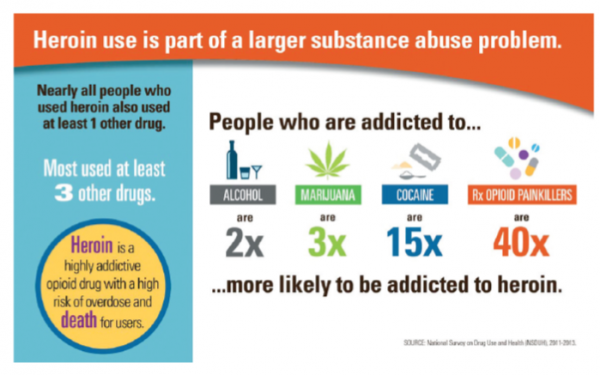
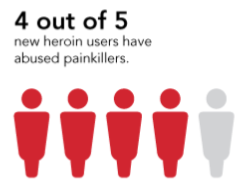
  • Three out of four heroin addicts started out by using prescription drugs. The C.D.C. reports that 45 percent of people who used heroin between 2011 and 2013 were also addicted to prescription painkillers. People who are dependent on prescription opioids are 40 times more likely to abuse or be dependent on heroin, according to the C.D.C.
  • Opioid deaths were up 76 percent in New Hampshire in 2014, with 325 people dying from an opioid overdose, according to state figures. Emergency room visits from heroin have more than tripled there since 2013. In Massachusetts, opioid deaths rose 20 percent in 2014, and are up 63 percent over 2012, The Boston Globe reported.

https://youtu.be/CQFITcdG8_4