

High School A Risky Time for CT Students, Survey Finds
/The Youth Risk Behavior Surveillance System was designed to focus the nation on behaviors among youth related to the leading causes of mortality and morbidity among both youth and adults and to assess how these risk behaviors change over time. In Connecticut, the times they are a changin’. Data released this week by the state Department of Public Health highlights changes over the past decade, and disparities among current students depending upon their grades in school.
The Youth Risk Behavior Surveillance System measures behaviors that fall into six categories:
- Behaviors that contribute to unintentional injuries and violence;
- Sexual behaviors that contribute to unintended pregnancy and sexually transmitted diseases, including HIV infection;
- Alcohol and other drug use;
- Tobacco use;
- Unhealthy dietary behaviors; and
- Inadequate physical activity.
The 2017 Youth Risk Behavior Survey (YRBS) includes randomly chosen classrooms within selected schools, and is anonymous and confidential. It was completed by 2,425 students in 38 public, charter, and vocational high schools in Connecticut during the spring of 2017. The school response rate was 76%, the student response rate was 81%, and the overall response rate was 61%. The results are representative of all students in grades 9-12, according to the state Health Department.
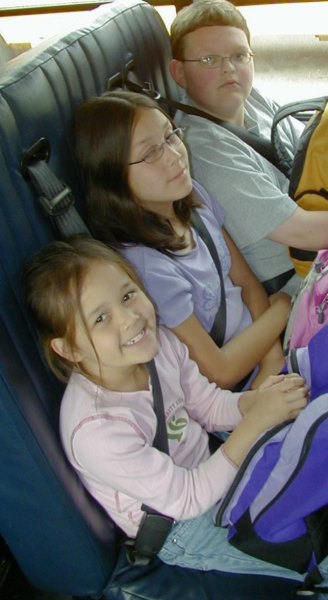
The survey found that during the past decade, the percentage of students who rarely or never wore a seat belt has declined by one-third, as has the percentage who drove a car at least once in the previous month after they had been drinking. That drop was between 2013 and 2017.
The percentage of students who “felt sad or hopeless” almost every day for a two week period “so that they stopped doing some usual activities” during the previous year climbed from 228% in 2007 to 26.9% in 2017 – more than one-quarter of students. The survey found that in 2017, 13.5% of students seriously considered attempting suicide and 8.1% attempted suicide during the past year.
More than one-third of students (34.6%) of students did not eat breakfast every day in the week preceding the survey, and 14.1% did not eat breakfast on any of those days. The percentage of students who got 8 or more hours of sleep on an average school night dropped from 26% in 2007 to 20% in 2017,
The survey also found that 25.8% of students with mostly A’s and 48.6% of those with the lowest grades (D or F) have used marijuana at least once in their lifetime. More than one-quarter of students, across all academic grades (A-F) responded that they drank alcohol at least once in the month prior to the survey.
 The survey found that 38 percent of students whose grades were mostly A’s texted or e-mailed while driving a car on at least one occasion in the 30 days prior to the survey. The percentage was slightly less among students with lower grades: 31% of students with mostly B’s, 30% of students with mostly C’s and 23% of students with mostly D’s and F’s.
When it came to the percentage of students who rode with a driver who had been drinking alcohol (one or more times during the 30 days prior to the survey), students with better grades did so less often, ranging from 12% of students with mostly A’s to 26% of students with mostly D’s and F’s.
The survey also found that 1 out of 5 students (20.1%) whose grades were mostly D’s and F’s did not go to school because they felt unsafe at school or on their way to or from school, on at least one day during the 30 days prior to the survey. Among those with mostly A’s, that percentage was just under 4 percent.
Among those with the lowest grades, 38.9% were in a physical fight at least once during the previous 12 months, and 19.7% were threatened or injured with a weapon on school property, such as a gun, knife, or club, at least once during the past year. Among those with mostly A’s, the percentages were 10.2% and 3.6%.
https://youtu.be/d63xyYs9s94
 The ranking does not capture the full extent of deprivations or hardships affecting children. Instead, it focuses on some key rights, or “guarantees” of childhood: life, healthy growth and development, education and protection from harm. If a child experiences all of these, his/her childhood is considered to be “intact.”

 The report notes that “While children are only 20 percent of the population, they are 100 percent of America’s future.” Save the Children’s ranking reveals children in New Jersey, Massachusetts, Vermont and New Hampshire are far more likely to experience safe, secure and healthy childhoods than children in Louisiana, Mississippi, Oklahoma and New Mexico.

 “This is an exciting opportunity for all of us at Foodshare. More produce and healthier options: that’s the future of food banking,” said Jason Jakubowski, President and CEO of Foodshare.

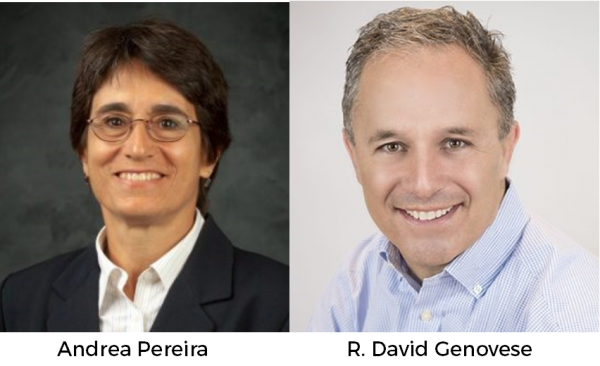 The Jack Shannahan Award for Public Service for 2018 goes to Andrea Pereira, a former Board Chair of Connecticut Main Street Center, who has been a partner in CMSC’s Come Home to Downtown program, providing financing through the Come Home to Downtown Loan Fund. Pereira, Executive Director of

 As he further established his career, Church traveled to remote places to sketch majestic scenes unfamiliar to his American audience, turning them into dramatic, large-scale paintings. These travels provided Church with ideas and material to produce major paintings for his wealthy patrons, including prominent American industrialists and financiers such as Hartford’s Timothy Mather Allyn, J. Pierpont Morgan and firearms manufacturer Elizabeth Hart Jarvis Colt.
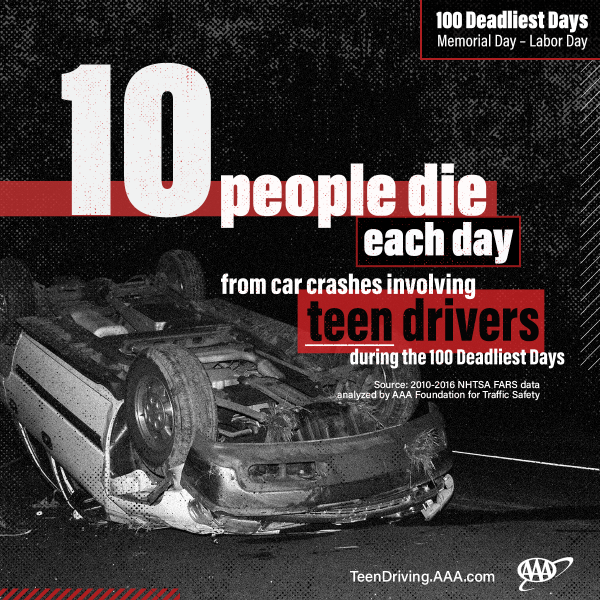


 state with a lower rate was Massachusetts.


 Once every 19 minutes, a senior citizen in America dies as a result of injuries sustained during a fall. The older Americans became, the greater their risk of dying from a fall. In 2016, there were 15.6 fatal falls for every 100,000 Americans between the ages of 65 and 74. Among adults ages 75 to 84, there were 61.4 such deaths per 100,000 people. And for those ages 85 and up, there were 247.9 fatal falls per 100,000 people.


 Conversations on Health Care




















