CCMC Study Brings Attention to Dramatic Increase in Trampoline Injuries Nationwide
/As trampoline parks are becoming more common in Connecticut and across the United States, so are emergency department visits for injuries that occur at these facilities, a new national study led by physician researchers at Connecticut Children’s Medical Center (CCMC), has found.
The study published this month in the journal Pediatrics, co-authored by CCMC emergency physicians Steven Rogers, MD, and Jesse Sturm, MD, and pediatric emergency medicine fellow Kathryn Kasmire, MD, came about after the physicians began noticing a sharp increase in trampoline injuries, including some that were serious.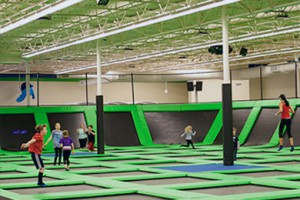
For the study, the CCMC physicians analyzed emergency room reports from a national database to estimate the total number of trampoline-related injuries both from parks and trampolines at home. From 2010 to 2014, the average annual number of Emergency Department visits for trampoline injuries was close to 92,000.
The vast majority happened at home - but injuries at trampoline parks surged more than 10-fold during the study period. The study found that emergency room visits related to injuries at trampoline parks grew from 581 in 2010 to 6,932 in 2014, which was the latest year represented in the study. Patients injured at trampoline parks were more likely to be males, with an average age of 13.
The study concluded that “trampoline park injury patterns differed significantly from home trampoline injuries. Trampoline park injuries are an emerging concern; additional investigation and strategies are needed to prevent injury at trampoline parks.”
The number of trampoline parks in the United States also increased during that time frame from around 40 in 2011 to 280 in 2014. It is now estimated that nationwide, five to six new parks open each month. Over the last year alone, it is estimated that more than 50 million people visited trampoline parks in North America, according to the International Association of Trampoline Parks.
In Connecticut, trampoline parks are up and 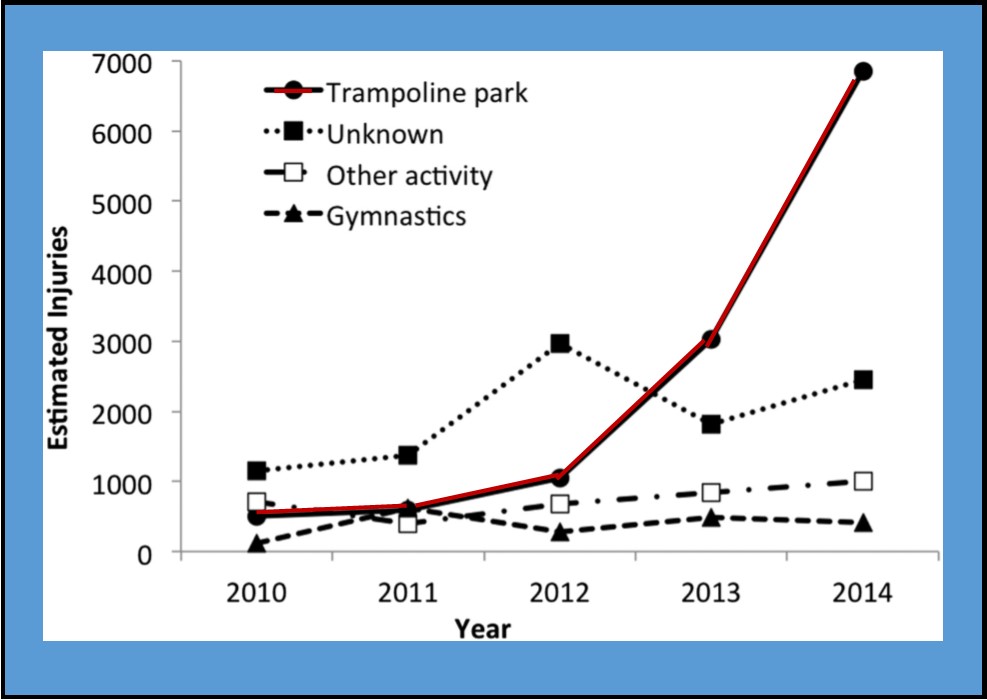 running in communities including Hartford, New Britain, Trumbull, Bethel, Stamford, Norwalk, Manchester, Milford, Danbury, New Milford, Ridgefield, Brookfield, Wallingford. Another is expected soon in East Haven.
The state’s official tourism website, www.ctvisit.com, includes six trampoline parks among the places highlighted for “safe, family-friendly indoor recreation.” The “Connecticut – Still Revolutionary” site features information about, and links to, Launch Trampoline Park in Hartford, Sky Zone in Bethel and Norwalk, Chelsea Piers in Stamford, Rockin’ Jump Trampoline Park in Trumbull and Flight Trampoline Park in New Britain.
The study found that the majority of trampoline-related accidents occur at home — rather than at a park — and these accidents did not increase significantly from 2010 to 2014, nor did overall trampoline injuries.
The International Association of Trampoline Parks (IATP) said the rise in injuries should be expected because of more parks in recent years. "We believe that the positives of youth recreational sports far outweigh the negatives, and we are actively engaged in programs aimed at promoting the safety and well-being of jumpers who visit our member park s," the organization said following publication of the study.
"I don't think trampoline park injuries are increasing because they are especially dangerous compared to home trampolines, but rather because of their growing popularity and the increasing number/availability of these facilities," said Kasmire, indicating that 1 in 11 children or young adults who went to the emergency room for park injuries was admitted to the hospital.
Most of the injuries were leg injuries, including strains and fractures. Children injured at trampoline parks were less likely to have head injuries than those injured on trampolines at home, but the severity of park-related injuries was concerning, the authors said.
In a published report, Kasmire said that parks generally have done a good job of ensuring that youngsters do not fall off trampolines, reducing the likelihood of head injuries, because the floors are covered with a bouncy surface. This floor, though, can increase the risk of other injuries if a person lands between two trampolines, she said.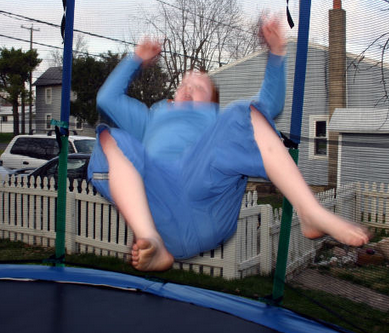
The American Academy of Pediatrics advises against trampoline use for all children but says if children do use them, they should not do flips or have more than one jumper at a time on a trampoline. The academy said adult supervision is needed and that trampolines should also have proper padding.
The IATP indicated that the organization “welcomes studies like the one published” because they “provide a deeper understanding of safety issues and provide data on our sport allowing us to better educate parents, jumpers and parks so all can fully enjoy indoor trampoline park facilities.”
The trade organization also noted that “if the study reported Trampoline Park Injuries (TPIs) as a percentage, rather than a total, a more accurate industry picture would develop. As a point of reference, high school football players experience injuries at a rate of 3.87 per 1,000 exposures. The rate of reportable injury at a typical trampoline park is less than one per 10,000 jumpers. Therefore, the rate at which injuries occur is a much more meaningful statistic than total number of injuries.”
The study in Pediatrics notes “adult supervision has been proposed to reduce trampoline injuries in children, although trampoline injuries often occur despite adult supervision.” The study also states that “although only a fraction of trampoline-related injuries occurred at trampoline parks (11% in 2014), the trend is alarming.”

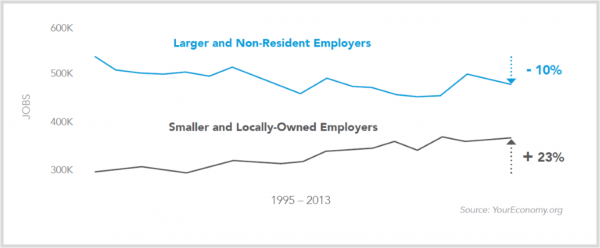 Local and regional organizations and associations, such as the MetroHartford Alliance’s HYPE, reSET, United Way’s Emerging Leaders and the Urban League’s Young Professionals “engage and connect millennials” and offer “business advisory services and other supports to help small businesses thrive,” the report explains, providing “a great start” on what needs to be done.
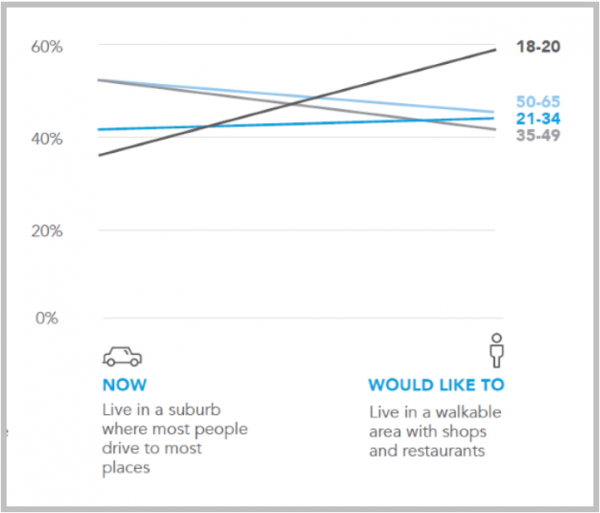 The report includes a timeline of past efforts aimed at addressing the region’s long-standing challenges, “not to be disheartening, but instead to highlight where positive changes have been made” and how collaborative efforts can “create opportunities for all Greater Hartford residents.” The report also indicates that:
 The NCHS data also ranked Connecticut 12th in the Cesarean Delivery Rate.
 Regarding the percentage of babies born to unmarried mothers, a statistic long tracked by federal health officials, three states saw more than half the children born in that category. The highest percentages were in Mississippi (54.0%), Louisiana (52.7) and New Mexico (51.3%).
 The same measure showed the age 20-34 demographic group, at 0.22 percent, was considerably below the rate for other age groups. (This rate means that 221 out of every 100,000 adults in this age group became entrepreneurs in a given month.) The data also indicates that the rate of new entrepreneurs for the age 20-34 group is down from the high point for this age group of 0.28 percent in 1996.


 The Connecticut Interscholastic Athletic Conference


 The site said of
  s, including:
 Funding for the competition prize awards will be provided both by the State of Connecticut, which has committed $1 million, and an additional $2 million commitment from private partners. The Doris Duke Charitable Foundation, The Kresge Foundation, Living Cities, NeighborWorks America, The United Illuminating Company, Stanley Black & Decker, Boehringer Ingelheim, Travelers Companies, Inc., The Hartford Foundation for Public Giving, Webster Bank, Eversource Energy, Liberty Bank Foundation, Hartford HealthCare, Barnes Group, Hoffman BMW of Watertown/Hoffman Auto Group, United Technologies Corp., Charter Communications, and Fairfield County’s Community Foundation have all committed to participating in the challenge.
 “We are pleased to bring the Working Cities Challenge to Connecticut and are thankful to Governor Malloy for his support of the effort, as well as the Hartford Foundation, the Doris Duke Foundation, Living Cities, The Kresge Foundation, and many others,” Boston Fed President Eric Rosengren said. “The partners have come together to make it possible to bring the competition to Connecticut – precisely the model of cross-sector collaboration that forms the basis of the Working Cities Challenge. This competition focuses on the residents of the state’s postindustrial cities – places with unique assets that taken together can help to build civic leadership infrastructure, which our research shows is a key component of economic resurgence.”
 “It’s gratifying to see the strong support from Connecticut companies, foundations, and the Malloy administration for the Working Cities Challenge under the thoughtful leadership of the Boston Fed,” James C. Smith, Chairman and CEO of Webster Bank, said. “By encouraging the development of civic infrastructure as a prerequisite to physical infrastructure, the Working Cities Challenge promises to revitalize Connecticut’s smaller cities economically and transform the lives of inner city residents.”
 A recent report in Business Insider indicated that one in three new businesses in the U.S. were started by an entrepreneur age 50 or older. Describing “running a business as the new retirement,” the news report cited an infographic in easylifecover that highlighted those aged 55-64 in the U.S. have actually had the highest rate of entrepreneurial activity in the last 10 years, noting that the founders of McDonald's, Coca Cola, and Kentucky Fried Chicken – among others - were all over 50 when they established their businesses.
 The interactive “Boot Camp” event at reSET – open to people of all ages with a special focus on the 50 and over –included short presentations from local resource organizations, networking opportunities and valuable information on the programs and tools available to potential business owners. Attendees were updated on the necessary steps and tools to launch a business, and had opportunities to talk one-on-one with local mentoring organizations, lenders, small business advisors and community leaders for advice and assistance.
 hand at the reSET event in mid-June were representatives of the Office of Secretary of State (where new businesses are registered),
  reSET serves all entrepreneurs, but specializes in social enterprise ― impact driven business with a double and sometimes triple bottom line. In addition to providing co-working space and accelerator and mentoring programs, reSET aims to inspire innovation and community collaboration, and to support entrepreneurs in creating market-based solutions to community challenges. The organization’s goal is to “meet entrepreneurs wherever they are in their trajectory and to help them take their businesses to the next level.”

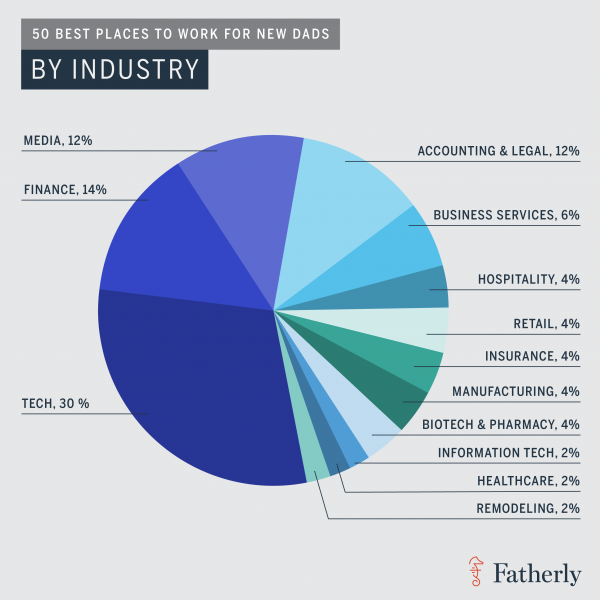
 Among the nation’s top businesses for new dad, an analysis by the website Fatherly, determined that two Connecticut-based companies – alcoholic beverages producer Diageo and financial data and analysis provider FactSet, earned slots in the top 50. Fatherly is a digital lifestyle guide for men entering parenthood.
 were Netflix, Spotify, Facebook, Patagonia, Bank of America, Pinterest, Google, Microsoft, Twitter, Airbnb, Johnson & Johnson, Accenture, MasterCard, Intuit and Intel.