Strong Defense: Where CT's Jobs Will Be
/“As a convergence of technological advancements, changing military demand and shifting workforce demographics force a major period of transformation across the (defense) industry, Connecticut must adjust its approach to workforce development and retention, or risk losing its competitive edge to other regions.”
That’s the conclusion of a 23-page policy brief issued by CT21 which analyzed the pitfalls and potential of the aerospace and defense industries - a “significant pillar of Connecticut’s economy” - and the state’s workforce, on the brink of what the report describes as “an inflection point” for the state.
“With a workforce that is aging into retirement faster than the current pipeline of workers can fill the gap, existing training programs are being strained to both produce higher numbers of qualified graduates and keep their programs current with the skills industry needs,” the report indicated.
To solve this multi-faceted challenge, CT21 calls on state officials to:
- Expand existing training programs and launch new ones
- Increase industry input into training program development
- Expand the workforce applicant pool
- Incentivize the retention of retiring industry expertise
 “The full ecosystem around the defense industry in the state must come together to address these overlapping trends – and many of these collaborative initiatives are already producing significant results – but state government still has a unique role to play in bringing the right ideas to the table,” the report explains.
The report notes that the 2016 Aerospace and Defense Workforce Study conducted by Aviation Week and Space Technology found over a quarter of the nation’s A&D workforce is over the age of 55. To highlight the local impact, 35% of Electric Boat’s workforce is within ten years of retirement. Over 7,800 workers have 20 or more years of service, and nearly 950 have 40 or more.
By way of illustration, the report devoted attention to United Technologies’ Pratt and Whitney.
“Based on projections for deliveries of military and commercial engines, Pratt expects to double production by 2020 and again by 2027. As of last September, the company expected to hire nearly 8,000 new workers in Connecticut over the next decade, including 1,000 engineers and 1,000 manufacturers in the next year. Pratt operates a business model that also relies heavily on the supply chain, with 85% of its engine parts being manufactured elsewhere.”
The report calls on state government to take a range of actions, including:
- Expand existing training programs and launch new ones
- Increase industry input into training program development
- Expand the workforce applicant pool
- Incentivize the retention of retiring industry expertise
- Create additional professional growth opportunities
- Take steps to improve the quality of life – both real and perceived
- Expand existing training programs and launch new ones
- Increase industry input into training program development
- Expand the workforce applicant pool
- Incentivize the retention of retiring industry expertise
Among the challenges the report cites are increasing competition from other industries and variable quality of life across the state. To respond, CT21 urges that state to create additional professional growth opportunities and improve quality of life statewide. CT21 stresses that the state must “leverage the opportunity before us to truly put Connecticut on a path towards a prosperous future.”
The Connecticut Institute for the 21st Century provides continuing opportunities for its members and other organizations to understand and discuss economic activity in the state and obstacles to its success. For more information, visit www.CT21.org
 Among the key stats:
 ate “offers the kind of environment that is particularly conducive to growth for companies that are capitalizing on the latest global economic trends. (The top seven are Massachusetts, Delaware, California, Washington, Maryland, Colorado and Virginia.) The ranking is based on measures in five key areas: Knowledge jobs, Globalization, Economic dynamism, digital economy, and innovation capacity.

 Xeorx is one of 13 companies have made the list every year, including: Aflac, Deere & Company, Ecolab, Fluor, GE, International Paper, Kao Corporation, Milliken and Company, PepsiCo, Starbucks, Texas Instruments, and UPS.
 d childcare slots for fifteen percent of the county’s children ages 0 to 2, and enough subsidized slots to cover only twenty-two percent of these youngest children in low-income households.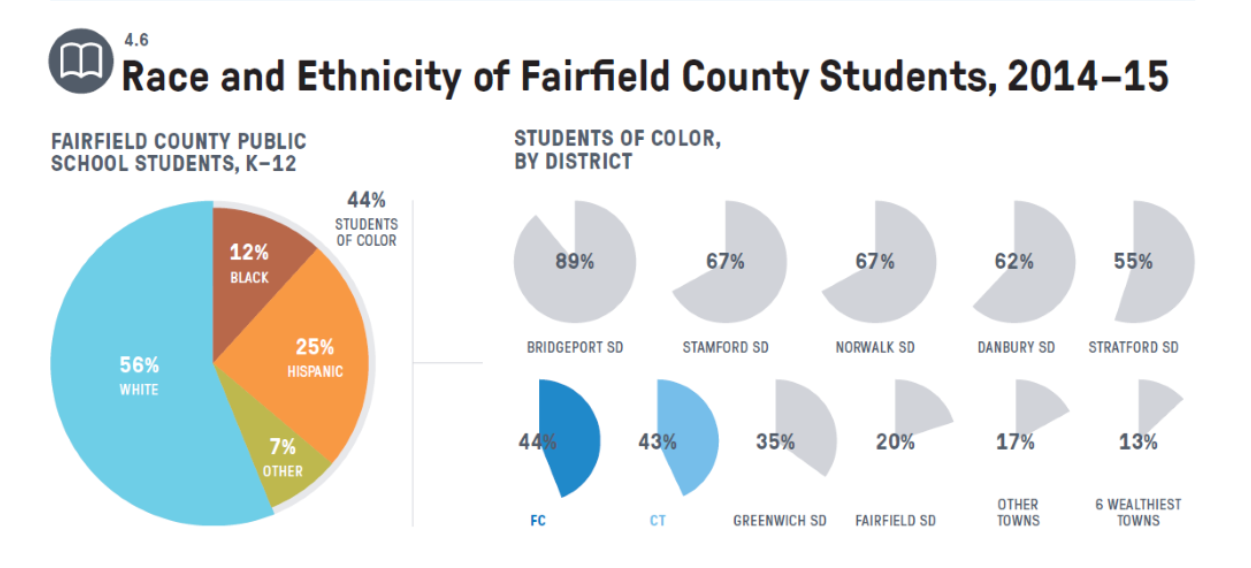


 The Cuban Lyceum of Bridgeport -- Liceo Cubano de Bridgeport- celebrated its 60th year in 2014, the Connecticut Post
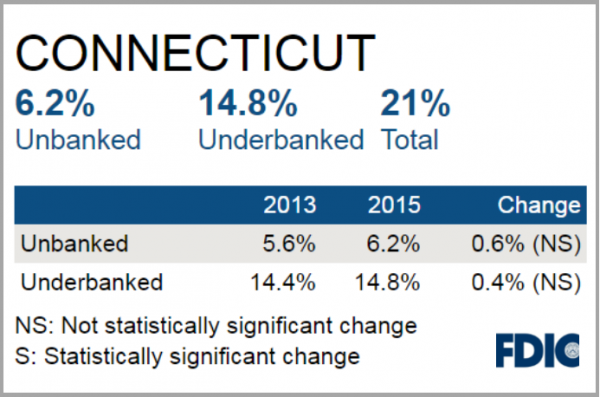


 uded in the College Scorecard among bachelor’s degree granting institutions are Lincoln College of New England ($31,800); Mitchell College ($30,400); and Goodwin College ($27,500).
 The College Scorecard, recently updated by the federal agency, is designed “to ensure that students and families have the most up-to-date, comprehensive, and reliable information available on colleges, all in an easy-to-understand format.” The website allows visitors to sort and filter search results to compare schools to assist students in deciding “which college makes the most sense when considering the typical costs, average student loan amount, students’ ability to repay their loans, and their future earnings,” the website materials explain.