As Latino Population Increases, Schools See More English Language Learners
/A snapshot of America in 2044, based on U.S. Census Bureau data and current trends, will show this: a nation with a youthful, growing minority population juxtaposed against an aging, slow-growing and soon to be declining white population. New population projections show whites will become a minority by 2044, according to published reports.
The new projections from U.S. Census Bureau figures shows two trends for America's population -- a long-term decline for the nation's white population, making up just 49.7 percent of the population by 2044, and a growth of new minorities -- Asians, Latinos and multiracial persons. The populations among the rapidly-growing Latinos, Asians and multiracial populations are all expected to double in size over the next 30 years. Specifically, the rise of Latinos is projected to make up 25.1 percent of the U.S. population in 2044, doubling African-Americans, according to the data projections reported in the Latino Post. By 2027, more than half of America's 20-somethings will be racial minorities, and in the 2028 presidential election, 40 percent of all eligible voters will be racial minorities.
In Connecticut, the demographic shift is underway. The Hispanic percentage of the statewide population in 2013 stood at 14.7 percent, steadily climbing during the past decade. The Hispanic percentage of statewide population under age 18 in 2013: 22 percent.
When the website ctlatinonews.com selected five “Young Latinos to Watch” this month, two of the five were newly elected legislators. Aundré Bumgardner was a surprise winner on Election Day. The Republican, whose family is from Panama and Puerto Rico, will be the youngest State Representative in Connecticut’s legislature. The 20 year-old won his party’s nomination to run for the state House from the 41st District, which covers Groton and New London. Rep.-elect Christopher Rosario may be new to the state’s legislature, but he is not new to advocacy, politics and working on behalf of the Latino community. He will represent his hometown of Bridgeport in the state legislature from the 128th District. He has been Bridgeport’s youngest department head as Director of Anti-Blight under the Office of Neighborhood Revitalization.
Recent news reports highlight one of the issues that the legislature will be grappling with. An analysis by CT Mirror found that during the 2013-14 school year, Hartford Public Schools had the most English Language Learner (ELL) students, with 3,550, but Windham had the highest percentage of ELL students at 23.8 percent. The largest pe rcentage increases in ELL students, between 2001 and last year, came in Windham (11.8% increase), Danbury (up 9.4%), Norwich (up 9.1%), and New London and West Haven (both up 7.4%).
The increasing number of ELL students in Connecticut is reflected in the current top 20 communities, according to the CT Mirror data, compiled from the State Department of Education:
- Hartford 3,550
- New Haven 2,709
- Bridgeport 2,685
- Danbury 2,204
- Waterbury 2,114
- Stamford 1,870
- New Britain 1,659
- Norwalk 1,277
- Meriden 1,011
- Windham 774
- West Haven 678
- East Hartford 606
- New London 588
- West Hartford 490
- Greenwich 486
- Norwich 465
- Manchester 351
- Torrington 334
- Bristol 317
- Wallingford 275
The top twelve municipalities with ELL students, by percentage of their student population:
- Windham 23.8%
- Danbury 20.4%
- New London 19.2%
- Hartford 16.7%
- New Britain 16.5%
- Bridgeport 12.9%
- New Haven 12.7%
- Meriden 12.5%
- Norwich 12.4%
- Stamford 11.8%
- Norwalk 11.5%
- West Haven 11.4%
- Waterbury 11.4%
The legislature's Latino and Puerto Rican Affairs Commission (LPRAC) is hosting this public policy forum on English Language Learners (ELL) and bilingual education in Connecticut on Tuesday, January 13, at the State Capitol in Hartford. It will feature classroom teachers, business, professors, and legislators discussing the status of ELL/bilingual education and how to improve outcomes for Connecticut’s non-English speaking children.
 The new interactive tool, on the Connecticut Voices for Children website, enables visitors to track spending across nearly 100 children’s programs over 25 years. Over the last two decades, spending on children’s programs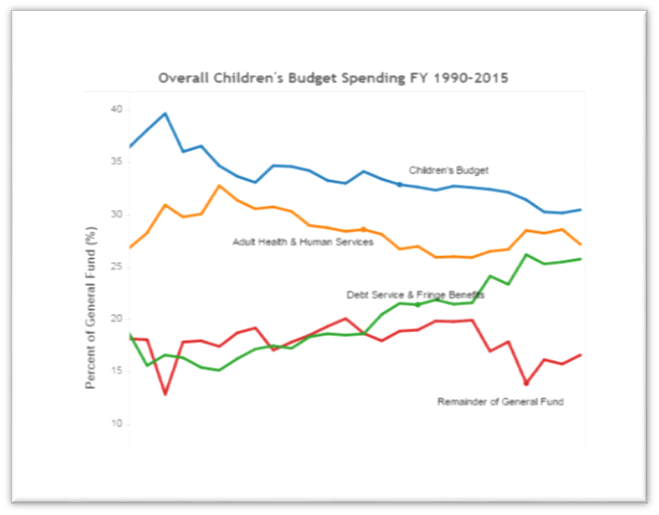

 ent where people with autism or sensory needs, along with their families, can enjoy coming to the theatre together and will feel comfortable, supported and free to be themselves.”

 rt this new chapter,” said co-founder and CEO Kate Pipa, who lives in Shelton. “And we are excited to bring kids a new box each month of hands-on fun that also doubles as a learning opportunity and is making social impact for the kids and for our partner organizations.”
 Making the grade are Bridgeport, Hartford, and New Haven. Their respective round one opponents make the Connecticut cities strong underdogs in need of a sizable population surge. Bridgeport goes up against San Francisco, Hartford faces Baltimore, and New Haven is up against Portland. (No, not Portland, Connecticut.)
 one of two versions of the game, geographic level: metro areas or states. Then they click on the name of the city in each match-up that you think has the larger population. Green shows a correct answer, red indicates an incorrect answer. Players are urged to “see how close you can come to a perfect score of 63” and then asked to “mouse-over results to view the most current population estimates for each pair.”




 ld University at #396. Outside the top 400 from Connecticut were Wesleyan University, Yale University, Quinnipiac University and Trinity College.
 ity in New Jersey, Florida Agricultural and Mechanical University, Florida International University, and six institutions in California, including California State Polytechnic University, the University of California and Cal State.
 Republicans. The House Speaker, House Majority Leader, Senate President Pro Tempore Senate Majority Leader, and Senate Republican Leader for the 2015 session are men, as was true in the previous legislative session. Connecticut has seen a woman Speaker of t
 he House, but there has not been a woman selected to serve as Senate President Pro Tempore or Majority Leader.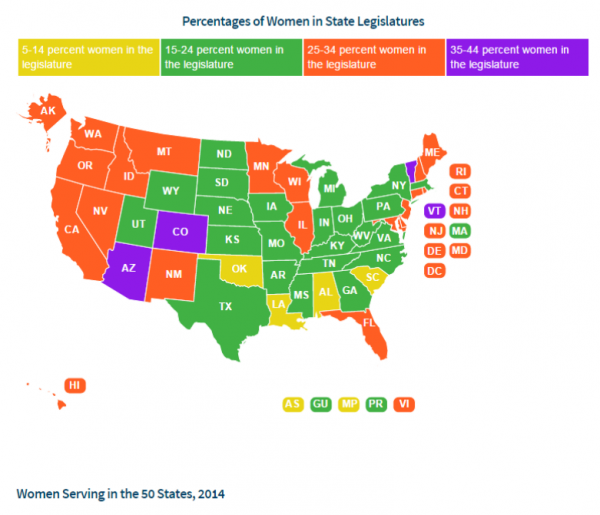
 t households unable to afford all of life’s basic necessities far exceeds the official federal poverty statistics. United Way calls this newly revealed demographic ALICE, an acronym for Asset Limited, Income Constrained, Employed.
 an double the official U.S. poverty level.