AARP, The Hartford Aim to Assist Low Income Seniors Become Entrepreneurs
/The Hartford has committed $1.4 million to the AARP Foundation to extend the Foundation’s Back to Work 50+ initiative to help low-income older adults assess opportunities to become entrepreneurs and create microenterprises. The three-year sponsorship, which broadens The Hartford's long-standing relationship with AARP, is part of The Hartford’s national philanthropic program. Communities with HART aims to "nurture the well-being of America’s communities by inspiring new generations of business leaders, enabling underserved neighborhood business owners to achieve growth and engaging the community in neighborhood business support," highlights the program description.
“We are thrilled to sponsor the Back to Work 50+ program to educate and inspire older Americans who are interested in developing their own small businesses,” said Diane Cantello, vice president of Corporate Responsibility at The Hartford. “By encouraging entrepreneurship among older Americans, this program will help foster small business growth and contribute to the vibrancy of our communities.”
“Older adults are redefining traditional approaches to work and careers,” said Lisa Marsh Ryerson, president of AARP Foundation. “While many want to continue to work or advance in their current jobs, a growing number want to generate income by using their talents and skills to start their own business or microenterprise. Through this effort, AARP Foundation stands ready to help by equipping them with the information and skills they need to achieve their goals.”
The recent announcement of this new sponsorship follows the one-year anniversary of The Hartford’s Communities with HART Program, a five-year initiative aimed at benefitting small businesses and supporting students through partnerships with the Accion U.S. Network (Accion) and Junior Achievement USA (JA). In its first year, The Hartford announced a $1.25 million partnership with Accion to help small business owners who experience difficulty in accessing the traditional loans they need to sustain and grow their businesses. Accion manages the loan process, which focuses on community-oriented businesses in low-and-moderate income areas that hire and source locally, deliver social value and make a positive difference in their neighborhoods. With an initial focus in four key markets - Chicago, Hartford, San Antonio and San Diego – Communities with HART also provides training and web resources to help small business owners succeed.
The Hartford is also helping to inspire the next generation of small business owners as the title sponsor of the JA Company Program®, which includes a new online blended learning model and offers students the opportunity to launch their own small business while learning the basics of entrepreneurship, financial literacy and work readiness. With the help of a $1.5 million investment, JA has already seen more than a 25 percent increase in the number of JA Company Programs being conducted since the new program was rolled out across the country at the end of last year, according to company officials.

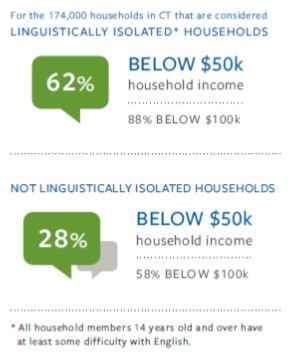
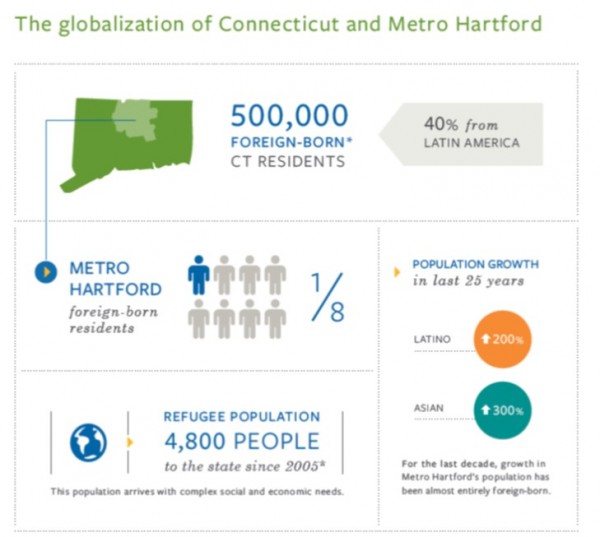 “The Latino Endowment Fund has offered this report as a means to expand the important discussion on efforts to support English Language Learners in our communities,” said Luis Cabán, chair emeritus of the Latino Endowment Fund Steering Committee. “This document provides us with an opportunity to reframe how we think about our increasingly global community and recognize the advantages of people speaking more than one language to enhance the richness of our community and create stronger links to the global marketplace.”
 Rather than having delegates from throughout the nation stream into Washington, D.C., Americans are asked to watch events unfold via live stream – either at home, or by getting together with co-workers or people from their local communities. Officials note that more than 600 public and private Watch Parties—in every state—have been organized and registered with WHCOA.

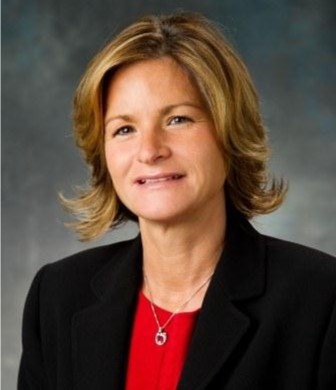 rez, U.S. Department of Labor. The panel will include Jean Chatzky, AARP Financial Ambassador; Vickie Elisa, Mothers’ Voices Georgia;
  emarks or participating in panels are Secretary Tom Perez, U.S. Department of Labor; DJ Patil, White House Office of Science and Technology Policy; Secretary Tom Vilsack, U.S. Department of Agriculture; professional athlete Diana Nyad; Vice Admiral Vivek Murthy, U.S. Surgeon General; Director Richard Cordray, Consumer Financial Protection Bureau; and Stephanie Santoso, White House Office of Science and Technology Policy.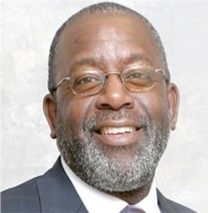
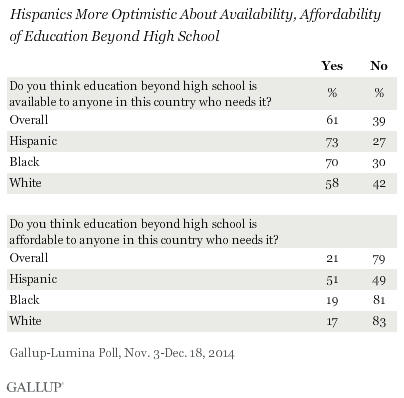 Data released this year indicates that:
 Survey analysts indicate that the greater optimism among Hispanics may reflect their increase as a portion of the student body in postsecondary institutions in recent years. Almost all of those surveyed believed that U.S. high school students need to go to college or technical school in order to be successful in today's economy.


 Later this month, Bike Walk CT is offering the League of American Bicyclist-designed Traffic Skills 101 program, a comprehensive day long course to give cyclists the skills, knowledge and confidence to handle on-road cycling.

 ws recently









 Fixed route transportation operates along a prescribed route and on a fixed schedule, and includes buses and light rail. In 2014 in Connecticut, buses provided over 43 million passenger trips and rail provided over 39 million passenger trips. Demand-responsive transportation provides routes and scheduling more individually tailored to the needs of the user. The Americans with Disabilities Act (ADA) requires transit agencies to provide paratransit service, subject to certain parameters, to people with disabilities who cannot use the fixed route services. Paratransit ridership in Connecticut in fiscal year 2014 under the ADA totaled over one million rides, and dial-a-ride ridership neared 100,000 rides.
 ommunities are located within a reasonable distance of quality, dependable public transportation.” In addition, policy makers were urged to “identify funding streams to sustain, coordinate, grow and make more convenient both fixed route and demand-responsive transportation options (including providing door-to-door service), and provide technical assistance to support regionalization efforts.”