
Increase in College Student Voting Rates in CT Among Largest in US in 2016 Election, Study Finds
/Across all regions of the U.S., students voted at higher rates in 2016 than 2012, with students enrolled in New England and the Mid-East having the highest increases (5.1% and 5.0%), according to a comprehensive new student on student turnout by the Institute for Democracy and Higher Education at Tufts University. Connecticut saw the 7th highest increases in voting rates among the states.
The National Study of Learning, Voting, and Engagement (NSLVE), which included college and university students attending 1,023 higher education institutions in the U.S. across all 50 states, found that Connecticut college students voted in higher numbers in 2016. Nearly two dozen colleges in the state were included, and according to the data, all saw increases in student voting from 2012 to 2016.
Compared to the rest of the country, institutional voting rates in New York, Pennsylvania, and Massachusetts tended to increase the most, followed by California, Texas, Illinois, Connecticut, Indiana and Florida. Institutions in Georgia, Wisconsin, and Mississippi had the largest decline.
The demographics of the nearly 10 million students in NSLVE resemble those of the approximately 20 million college students in the U.S, according to the study, which is described as “a significant step forward in measuring students' political interest and engagement.”
By combining student enrollment records with publicly available voting records, the Institute has “created a one-of-a-kind database that provides the higher education community with its only objective measure of student voting,” according to the study authors. Overall, NSLVE students voted at a higher rate in 2016 than 2012 by about three percentage points, rising from 45.1% to 48.3%, according to the report. Relative to the turnout of the general U.S. population of 18 to 24-year-olds, NSLVE student turnout was somewhat higher in both election years and increased slightly more between elections.
Among undergraduates, turnout increased from 2012 to 2016 across all class years—first-years, sophomores, juniors, and seniors. In both elections, seniors voted at the highest rate (47.0% in 2012 and 51.8% in 2016) and first-years' turnout was lowest (39.5% in 2012 and 42.8% in 2016). Individual data for the participating colleges, or specific state-by-state data was not released in the national study.
Across the country, nine institutions saw turnout increases of at least 15 percentage points between 2012 and 2016. The study also found that 60.4% of students enrolled at women’s colleges voted in 2016, compared to 53.1% in 2012, an increase of over seven percentage points. In addition, the study found that “unlike voting rates, registration rates did not increase appreciably.”
In addition, the largest increase in voting rate was among private four-year institutions, where turnout increased by 4.1 percentage points from 2012 to 2016, although four-year public institutions still have the highest turnout rate overall, the report indicated. Women voted at rates nearly seven percentage points higher than men in both elections.
The study also found that voting rates increased from 2012 to 2016 in all academic fields of study. In both election years, students majoring in the social sciences voted at the highest rate, followed by those studying health professions, the humanities, and business. Students majoring in STEM fields (science, technology, engineering, and math) voted at the lowest rate in both election years. These differences could be due to many potential factors, including civically engaged students self-selecting into more civically oriented majors, the study analysis theorized.
The objective measure of student civic engagement that the data provides can be particularly insightful to the extent that voting can be seen as a proxy for student interest in public affairs. The Institute is in the Jonathan M. Tisch College of Civic Life at Tufts University.

 On campus will be:


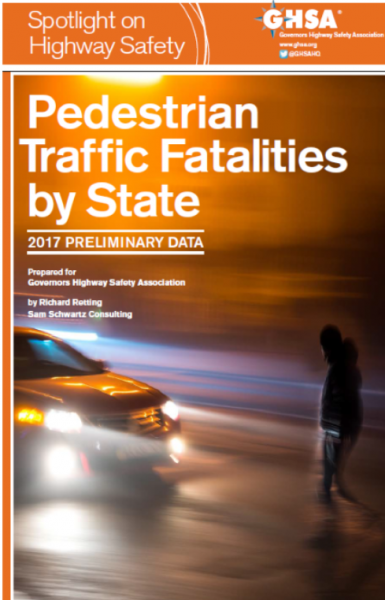
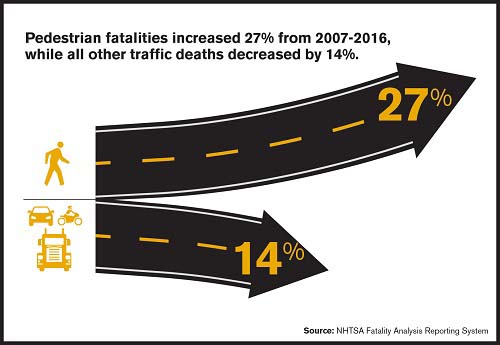 The total number of multimedia messages sent has more than tripled since 2010. The report also suggests a possible link with marijuana use. According to the report, the seven states (Alaska, Colorado, Maine, Massachusetts, Nevada, Oregon, Washington) and DC that legalized recreational use of marijuana between 2012 and 2016 reported a collective 16.4 percent increase in pedestrian fatalities for the first six months of 2017 versus the first six months of 2016, whereas all other states reported a collective 5.8 percent decrease in pedestrian fatalities.


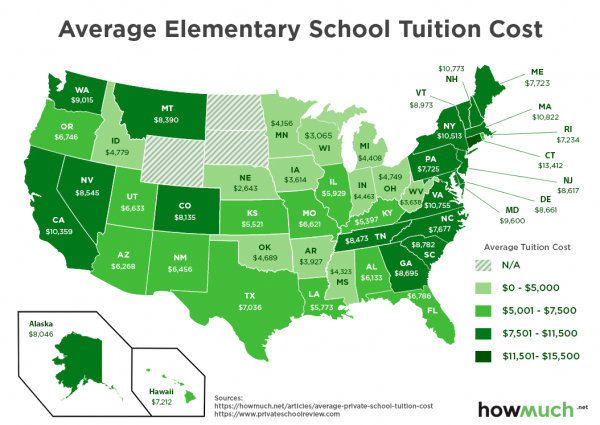
 The most expensive average elementary school tuition cost is also on the East Coast, and Connecticut leads the way. The average private elementary school tuition is $13,412, with Massachusetts ($10,822), New Hampshire ($10,773), Virginia ($10,755), and New York ($10,513) rounding out the top five.
 In a

 The report defines Eastern Connecticut as the Community Foundation of Eastern Connecticut service area: 42 towns that include 453,000 people, 227,000 women. The population of the region is 80% white, 9% Latina, 4% Black and 4% Asian. Approximately 33,700 residents, or 7 percent, are foreign born. Looking ahead, the report noted that the population of women ages 65 and up is projected to grow significantly over the next decade; estimated to increase 44 percent by 2025.



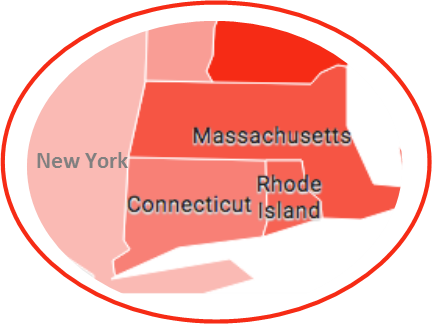 Even in advance of the merger plan, the Board of Regents has been extending lower tuition offers in every direction, reaching out to students in Massachusetts, Rhode Island, New York and even New Jersey, making offers that the Regents hope will be tough to refuse.
 When Bloomberg Businessweek ranked the nation’s business schools offering two-year full-time MBA programs, Harvard, the University of Pennsylvania’s Wharton School and the MIT Sloan School of Management topped the list, issued in late-2017. Among Connecticut business schools, Yale University ranked at number 16 and the University of Connecticut placed at number 66. Yale dropped two places from the previous year, UConn dropped three. In 2015, Yale ranked #11. A total of 85 schools nationwide received rankings.


 According to “The State of Languages in the U.S.: A Statistical Portrait,” Connecticut was one of seven states, along with New Jersey, Pennsylvania, Maryland, Vermont, New Hampshire and Wisconsin, where more than 30 percent of K-12 students were enrolled in language. As of 2014, only twelve states had more than one in four elementary- and secondary-school students studying languages other than English.