CT Ranks in Top 10 for Lowest Total Carbon Emissions, Lowest Per Capita Emissions
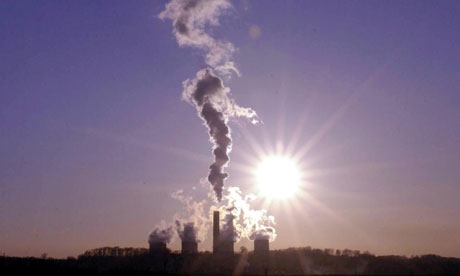
/Connecticut ranks in the top 10 among the states in both the lowest total state energy related carbon dioxide emissions and emissions per capita. The state ranked second, tied with California and just behind New York, in the lowest emissions levels per capita. In total state energy related emissions, Connecticut placed in a tie for tenth place. Greenhouse gas emissions for all sources were considered in compiling the data, according to Bloomberg.com, which published the rankings last month, based on 2011 U.S. Census population estimates and statistics from the U.S. Energy Information Administration. Sources of emission include electric power production, industries, residential heating and transportation.
The lowest state emission levels per capita, in metric tons of carbon dioxide, are New York (8.1), Connecticut (9.2), California (9.2), Oregon (9.3), Vermont (9.6), Massachusetts (10.0), Washington (10.1), Idaho (10.1), Rhode Island (10.5) and Maryland (11.0). The highest levels per capita were in Wyoming (112.6), North Dakota (79), Alaska (52.7) and West Virginia (51.7).
In total state energy related carbon dioxide emissions, by million metric tons, the states with the lowest emission levels are Vermont (6), Rhode Island (11), Delaware (12), South Dakota (14), New Hampshire (16), Idaho (16), Maine (17), Hawaii (19), Montana (32), Connecticut (33) and Nevada (33).
The states with the highest emission levels were Texas (656 metric tons), California (346), and Pennsylvania (245).
 tates according to their tendency to produce the highest or lowest monthly energy bills.
The analysis points out that “lower prices don’t always equate with lower costs, as consumption is a key determinant in the total amount of an energy bill.” Connecticut’s monthly energy cost for consumers, according to the analysis, is $404, ranking the state 49th out of 51 (the 50 states plus the District of Columbia). Mississippi’s total monthly cost paid by consumers averages $414, while Hawaii’s is $451.
tates according to their tendency to produce the highest or lowest monthly energy bills.
The analysis points out that “lower prices don’t always equate with lower costs, as consumption is a key determinant in the total amount of an energy bill.” Connecticut’s monthly energy cost for consumers, according to the analysis, is $404, ranking the state 49th out of 51 (the 50 states plus the District of Columbia). Mississippi’s total monthly cost paid by consumers averages $414, while Hawaii’s is $451. the highest in the nation. (see breakdown below)