

Opponents to Natural Gas Pipeline Rally to Grow Public Interest
/A planned natural gas pipeline in Connecticut and neighboring states brought protesters out in Suffield and East Granby, calling attention to potential adverse environmental impacts. Kinder Morgan’s natural gas project, Connecticut Expansion, is scheduled to begin construction in Suffield and East Granby shortly, according to the Connecticut Sierra Club, which organized the protest and has been conducting a public education initiative opposing the plans.
The People Over Pipelines March, held Saturday, mirrors similar efforts held in Massachusetts, aimed at drawing attention the ratepayer subsidized gas pipeline expansion. Participants followed the Kinder Morgan pipeline route in Suffield and East Granby. Co-sponosrs of the effort included 350 CT, Toxics Action Center, Bethlehem Ecodefense and Berkshire Environmental Action Team.
At an accompanying rally, Sierra Club’s Martha Klein said, “We’re here today to fight for the future of our planet, but the real reason to oppose this new pipeline is that it’s expensive, unneeded and what’s worse we’re paying for it!” The high pressure, large diameter fracked gas pipeline is being built in three states Sierra Club officials point out, noting that methane (natural gas) causes global heating that is 100 times worse than carbon dioxide in the near term.
Diane Lentakis of 350 CT added, “I’m marching here today to oppose a new taxpayer-funded pipeline because natural gas presents many of the same problems as oil and coal: toxic emissions, huge transport costs, and huge risks of accidents. I want Connecticut to be a leader in our country’s transition to clean energy. We can take a major step towards this goal by opposing this costly pipeline and instead investing in renewable and clean energy. “
Sierra Club officials explain that Connecticut residents have been paying for the expansion of fracked gas in the state through ratepayer increases on their electric bill since 2013, as a result of state lawmakers approving a “Comprehensive Energy Strategy.” In 2015, the General Assembly passed a law that mandated future ratepayer subsidies for multi-state gas pipeline projects, which will lead to ratepayers subsidizing the construction of interstate gas pipelines.
The state Department of Energy and Environmental Protection (DEEP) “is the agency in the state that both procures large natural gas projects, and also issues permits for aspects of the construction. The aim of the State energy plan is to create thousands of new gas customers, through advertising and ratepayer subsidies. Only the two large corporations, Eversource and Iberdrola, will benefit from the expansion. They have a monopoly on gas distribution in the area,” Sierra Club pointed out in a news release highlighting the issue. Eversource owns Yankee Gas; Iberdrola owns Connecticut Natural Gas and Southern CT Gas.
Sierra Club officials indicate that it is “not likely” that Connecticut citizens will benefit from the pipeline, stating that “Natural gas is not cheaper, cleaner or safer than other fuels. Gas, which is methane, is currently more expensive than heating oil in Connecticut and according to the International Governmental Panel on Climate Change (IPCC), worse for the environment than oil or coal. Methane extraction (fracking), use, and transport produce significantly more greenhouse gas emissions causing worse climate change than other fossil fuels.”
 Studies show that there is no unmet demand for natural gas in Connecticut, opponents of the planned pipeline said, stressing that gas pipelines are routinely only half full now and electricity demand in New England has remained virtually flat over more than 10 years. Proponents have stated otherwise.
According to DEEP, there are approximately 590 miles of transmission pipeline in Connecticut, including 16 miles in Long Island Sound. These pipelines range in size from 2” to 36”. Pressures range from 750 pounds per square inch gauge (psig) to 1,440 psig. There are 5 compressor stations in Connecticut with a total of approximately 110,300 horsepower. The pipelines currently in place:
- Algonquin Gas Transmission (AGT - Spectra Energy Corporation) originates in New Jersey where it connects to Texas Eastern and runs from Danbury northeasterly to Thompson, with major spurs to North Haven and New London.
- Iroquois Gas Transmission System (IGT) starts at the Canadian border, enters Connecticut at Sherman and runs southeast through Milford, then offshore to Long Island.
- Tennessee Gas Transmission (TGP -Kinder Morgan) starts in the Gulf, enters Connecticut in Greenwich, runs northeasterly leaving Connecticut in Suffield, with a spur from Massachusetts to Torrington.
The Sierra Club will be conducting a public education session on the pipeline at Quinebaug Valley Community College on Thursday, Sept. 29 at 1 p.m.


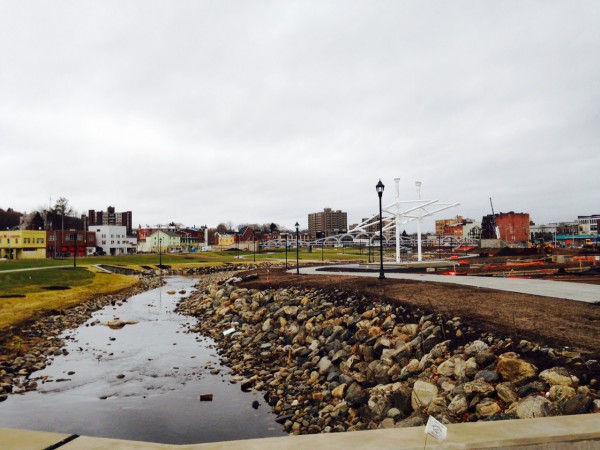
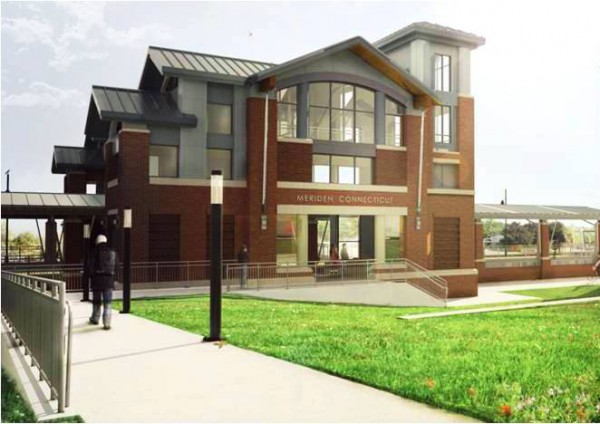
 for a proposed mixed use development project at 161-177 State Street, which is phase one of a multi-phase project that includes demolition of the Mills public housing project and implementation of the Harbor Brook Flood Control project north of the Hub site. The new building will be within walking distance of Meriden`s new Transit center.
 In February, the Connecticut Small Business Development Center (CTSBDC), the City of Meriden and The Midstate Chamber of Commerce announced the opening of the newest CTSBDC office, to be located at Meriden City Hall.
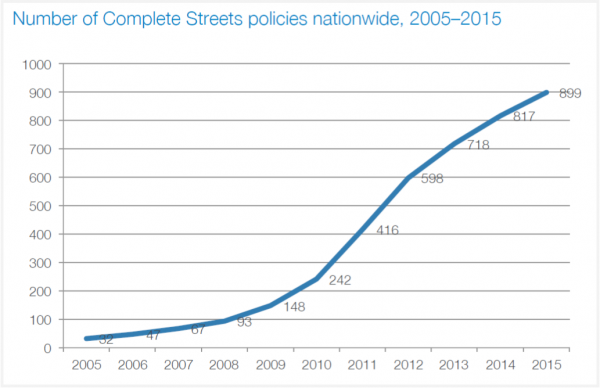
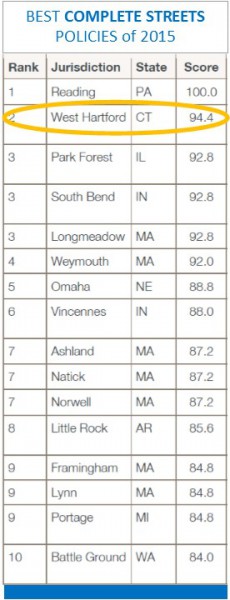 The U.S. Surgeon General and Secretary of Transportation both spoke out for more Complete Streets last year and Congress passed a transportation bill that included Complete Streets language for the first time ever.


 arlier this year, the University of Connecticut released
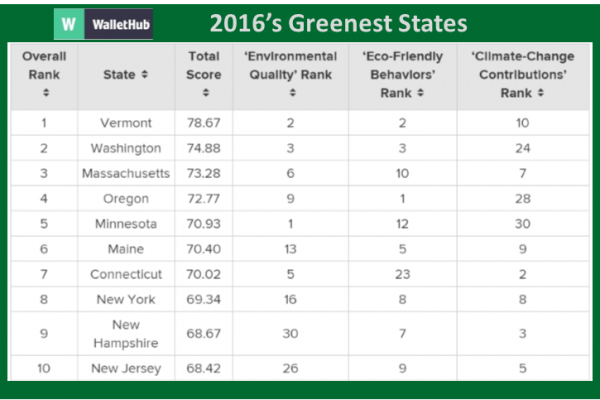
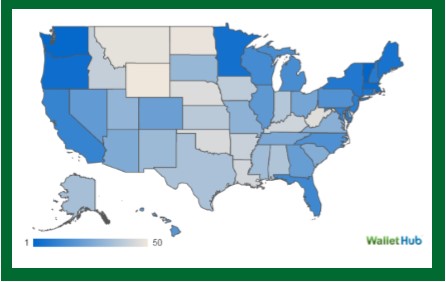


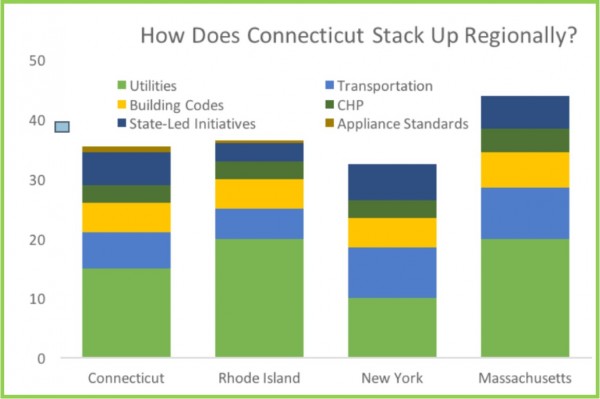
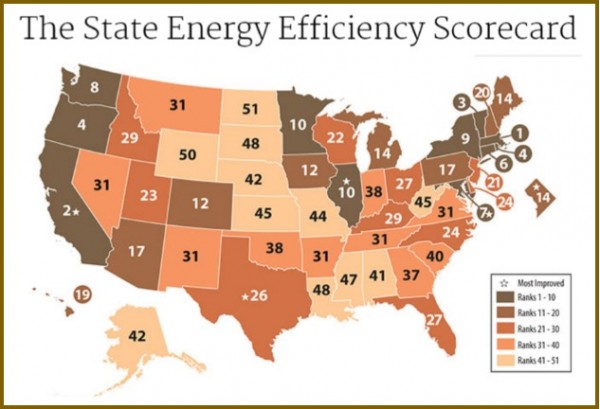 nd compliance efforts, earned 3 points out of 4 for its combined heat and power policies and programs, 5.5 out of 7 points for state-led energy efficiency initiatives, and 1 point out of 2 for appliance standards.
 olar power in Connecticut has grown 221 percent per Capita since 2012, ranking the state 13th in the nation, the report points out. The top solar growth states in the nation, like Connecticut, have adopted renewable energy requirements, strong laws allowing solar customers to sell their excess power to the electric grid, and other policies encouraging growth of the industry, the report indicates. The industry is also adding jobs much faster than the overall economy, employing 1,600 people in Connecticut last year, according to
 ."
 The
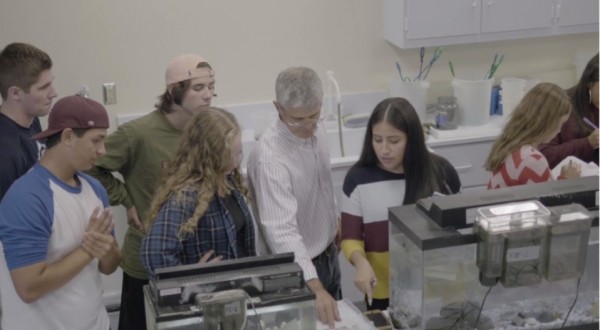
 Plans for the new Academic Science & Laboratory Building at Southern began back in 2007 with a comprehensive 10-year capital improvement plan, dubbed CSUS 2020, for upgrading the four institutions of the Connecticut State University System. Approved by the state legislature and signed into law by Gov. M. Jodi Rell, the plan was developed during the administration of Chancellor David G. Carter. It included upgrades and repairs to existing facilities, as well as construction of a new Visual & Performing Arts Center at Western Connecticut State University, which

 In
 sustainable lifestyle beverate brand for teens and tweens. The company's goal is to inspire young people to realize the power of consumer choices to effect social and environmental change.

 The five awards judges - Sherrell Dorsey of Uber and Triple Pundit, Adam Dotson of Ironwood Capital, Claire Leonardi, an advisor to reSET's Social Enterprise Investment Fund and former CEO of Connnecticut Innovations, Anthony Price of LootScout and Paul Witinski of Ironwood Capital - narrowed down more than 100 applicants to 12 honorees. The People’s Choice winner was selected via more than 1,800 online votes.




















