Norwalk Joins Sustainable CT Effort
/Norwalk is the latest Connecticut municipality to join Sustainable CT, a statewide initiative that offers detailed array of sustainability best practices, tools and resources, peer learning, and opportunities for recognition.The Sustainable CT platform supports a broad range of actions, such as improving watershed management, supporting arts and creative culture, reducing energy use and increasing renewable energy, implementing “complete streets” (streets that meet the needs of walkers and bikers as well as cars), improving recycling programs, assessing climate vulnerability, supporting local businesses, and providing efficient and diverse housing options.  “I am delighted the city has joined Sustainable CT in our latest efforts to develop and implement sustainability and renewable energy initiatives in Norwalk,” said Mayor Harry Rilling. “Being energy conscience is the right thing to do as we all have a moral obligation to lessen our environmental impact. I am glad the city has taken a leadership role and joined this important sustainability initiative.” Norwalk’s Council approved the resolution to join Sustainable CT in mid-August and designated the Common Council Planning Committee as the “Sustainability Team” for the program. Norwalk was officially registered with Sustainable CT on August 24.
The Sustainable CT initiative was developed under the leadership of the Institute for Sustainable Energy at Eastern Connecticut State University in partnership with the Connecticut Conference of Municipalities.
There is no cost to participate and communities voluntarily select actions that meet their unique, local character and long-term vision. After successful implementation of a variety of actions, municipalities will be eligible for Sustainable CT certification. According to the organization’s vision statement, “Sustainable CT communities strive to be thriving, resilient, collaborative, and forward-looking. They build community and local economy. They equitably promote the health and well-being of current and future residents, and they respect the finite capacity of the natural environment.”
“We are thrilled that Norwalk has passed a resolution to join Sustainable CT. The program builds on many current success stories in our communities to create and support more great places to live, work, and play,” said Lynn Stoddard, Director of the Institute for Sustainable Energy. “We are looking forward to working with the city as they pursue Sustainable CT certification."
The town of Thomaston joined the initiative in July. Three Connecticut philanthropies - The Emily Hall Tremaine Foundation, the Hampshire Foundation, and the Common Sense Fund – have supported the program's development and launch.

 Her work at C-CHANGE is designed to accelerate and strengthen public education on climate change and pollution issues, bringing the science down to the individual level, highlighting the impacts on people, rather than the planet.

 According to the Nature Conservancy, Bridgeport currently has a 19% tree canopy cover, for example. If all open spaces, vacant lots and parking lots could be planted, the city would have a 62% tree canopy cover. The ramifications would be substantial, impacting various health and quality of life factors.

 The article points out that “the connection between climate change and hurricanes has become hard for anyone to ignore.”


 Memo of Understanding to get have 150,000 EVs on Connecticut roads by 2025.
 The company - FreshBev LLC - produces two primary lines of beverages - RIPE Craft Juice and RIPE Craft Bar Juices, bringing real fresh juice to the market, and connecting local farmers to consumers by using only ingredients that could be traced back to the grower and region.
 The results are making local history, and spreading. RIPE Craft Juices are available nationally through Whole Foods and select regional grocery chains.
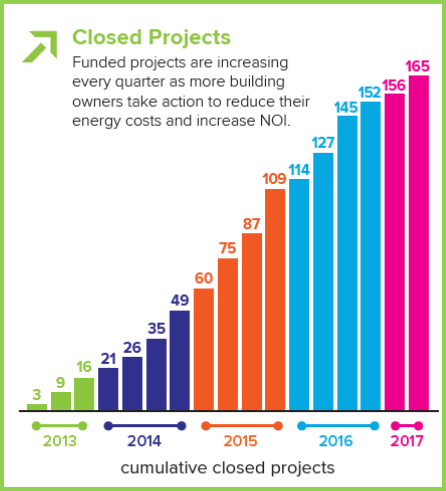 boilers, energy efficiency lighting measures, HVAC systems, and other energy improvements that help building owners to take control of their energy costs.
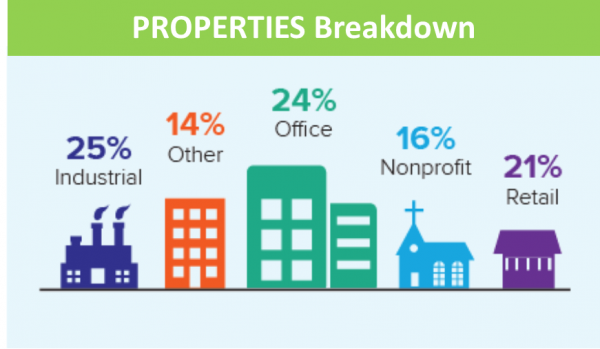 without the support of our contractors, capital providers, municipal officials, and other stakeholders who have contributed to the C-PACE movement,” said Mackey Dykes, Vice President of Commercial, Industrial and Institutional programs at the Connecticut Green Bank. “There is still significant potential for energy improvements for Connecticut businesses and non-profits, and we look forward to bringing cleaner and cheaper energy to more building owners across the state.”
 make the financing of clean energy deployment more accessible and affordable for consumers and businesses. In 2011 the state legislature created the Connecticut Green Bank, the nation’s first green bank. It uses public funds to attract private capital investment in green energy projects. By leveraging private investment, the Green Bank significantly increases the total amount of financing available for clean energy projects.

 Tesla is prohibited from selling directly in Connecticut, Michigan, Texas, and West Virginia, according to the company. There are about 1,300 Teslas registered in Connecticut, nearly two-thirds of the electric vehicles in the state, according to the state Department of Motor Vehicles.
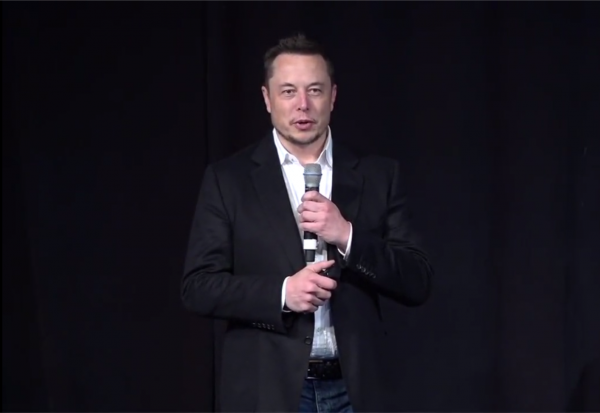 rding to the Treasurer’s Office. Representing the Connecticut Treasurer’s Office at the annual meeting, and presenting the proposal, was Aeisha Mastagni, a Portfolio Manager in the Corporate Governance Unit of the California State Teachers’ Retirement System. Overall, according to a U.S. Securities & Exchange Commission filing, 74.7 million shareholders voted against the proposal, with 32.7 million voting in favor.