Income Inequality in CT's 4th Congressional District is 4th Largest Gap in Nation; 2nd District Has Least Income Inequality in State
/Connecticut’s 4th Congressional district, centered in Fairfield Country, has been ranked as the district with the 4th highest level income inequity in the nation. A year ago, the 4th C.D. was ranked fifth. A ranking of congressional districts of by their level of income inequality, conducted by Bloomberg, uses the Gini coefficient, a formula that measures the distribution of income across a population. The closer a Gini number is to 1, the greater the level of inequality; the closer to zero, the closer to perfect equality. The average score for the United States was 0.4804.
All of Connecticut’s 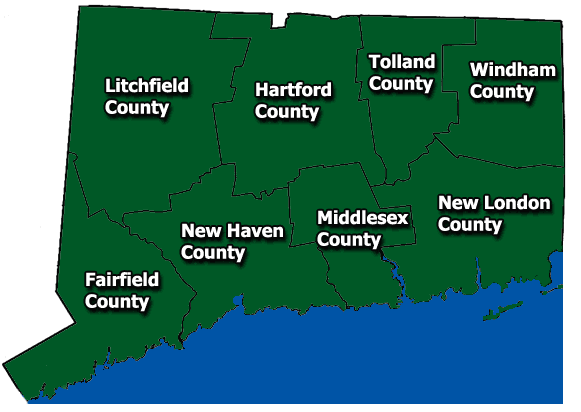 Congressional Districts, with the exception of the Fourth District, did better than the national average in the degree of income inequality.
Bloomberg Businessweek has previously pointed out that the U.S. congressional districts with the most inequality share certain traits: “they contain a small, enormously wealthy elite surrounded by impoverished neighbors.” Most of the districts with the greatest disparity are located in or near major urban metropolitan areas.
The greatest income inequality in the most recent analysis indicated that the Congressional Districts with the most income inequality are Pennsylvania’s 2nd District, New York’s 10th District, and Florida’s 27th District. Following Connecticut’s 4th District on the list are Illinois; 7th District, and three additional Congressional Districts in New York – the 12th, 7th and 16th. Rounding out the 10 C.D.’s with the most income inequality are Ohio’s 11th District and Georgia’s 5th District.
In Connecticut’s 4th Congressional District, which includes Bridgeport, the state’s largest city, as well as the communities often referred to as the “Gold Coast,” 59.3 percent of the population has household income in the highest quintile, while 6.7 percent of households have income below the poverty level.
Connecticut’s 5th Congressional District (.4810) ranked number 88 on the list of Congressional Districts with the most income inequality among residents. The state’s 3rd Congressional District (.4792) ranked at number 95, and the 1st C.D. (.4631) at number 175. Much later in the rankings, Connecticut’s 2nd District (.4261) came in at number 387, indicating it is the C.D. in Connecticut with the least income inequality.
The Gini coefficient, which is calculated by the U.S. Census from household income share by quintiles, was used to measure distribution of wealth. It ranges from zero, which reflects absolute equality, to one, complete inequality. The data was updated in November 2015, using 2014 data. In 2014, a person living alone making less than $12,071 was classified as in poverty. The threshold increases for each additional household member and varies by the number of adults and children in each household.
 stitutions, particularly in low income communities and to people who lack access to financing. By offering tailored resources and innovative programs that invest federal dollars alongside private sector capital, the CDFI Fund serves mission-driven financial institutions that take a market-based approach to supporting economically disadvantaged communities. The institutions to receive CDFI Certification in Connecticut are in the state’s major cities:
 Capital Fund facilitates the flow of capital and expertise into housing and economic developments that “benefit low and moderate income people in the Greater Bridgeport Area.” It was formed in 2005 from the merger of two loans funds.
 he Middlesex Credit Union, Seasons Federal Credit Union was renamed in 2006 after expanding into New Haven County. Over the years, the credit union has “broadened its services beyond simple share savings and small loans to meet the increasingly diverse financial needs of its growing membership.”
 such as credit history, language, cultural differences, financial literacy, or lack of economic assets--that can isolate people from the financial mainstream. As the Fund’s slogan indicates, “We Finance Hope.”
 Rather than having delegates from throughout the nation stream into Washington, D.C., Americans are asked to watch events unfold via live stream – either at home, or by getting together with co-workers or people from their local communities. Officials note that more than 600 public and private Watch Parties—in every state—have been organized and registered with WHCOA.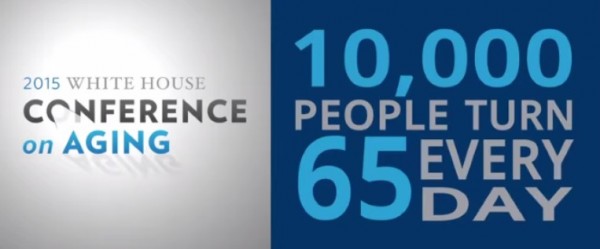
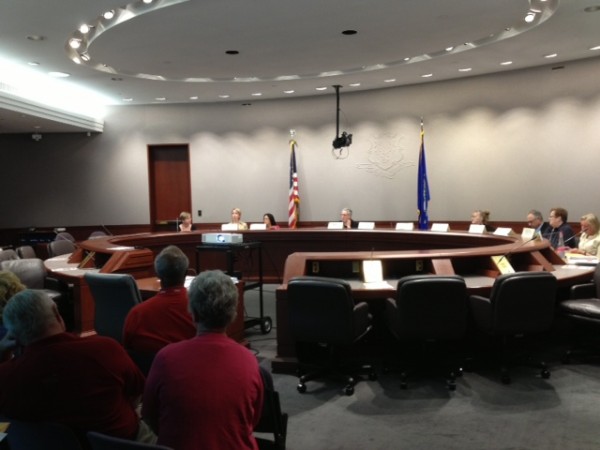

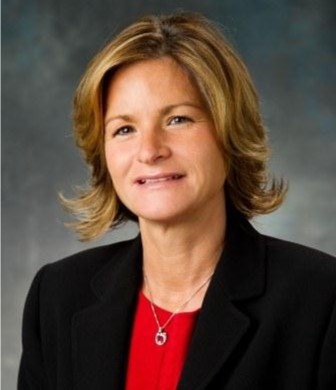 rez, U.S. Department of Labor. The panel will include Jean Chatzky, AARP Financial Ambassador; Vickie Elisa, Mothers’ Voices Georgia;
  emarks or participating in panels are Secretary Tom Perez, U.S. Department of Labor; DJ Patil, White House Office of Science and Technology Policy; Secretary Tom Vilsack, U.S. Department of Agriculture; professional athlete Diana Nyad; Vice Admiral Vivek Murthy, U.S. Surgeon General; Director Richard Cordray, Consumer Financial Protection Bureau; and Stephanie Santoso, White House Office of Science and Technology Policy.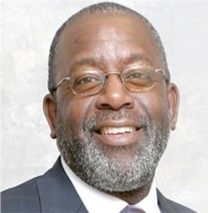
 Iowa Governor Terry Branstad provided opening remarks at Wednesday’s session, followed by Malloy’s keynote address. Branstad, a Republican, and Malloy, a Democrat, were re-elected by voters in their respective states last fall.





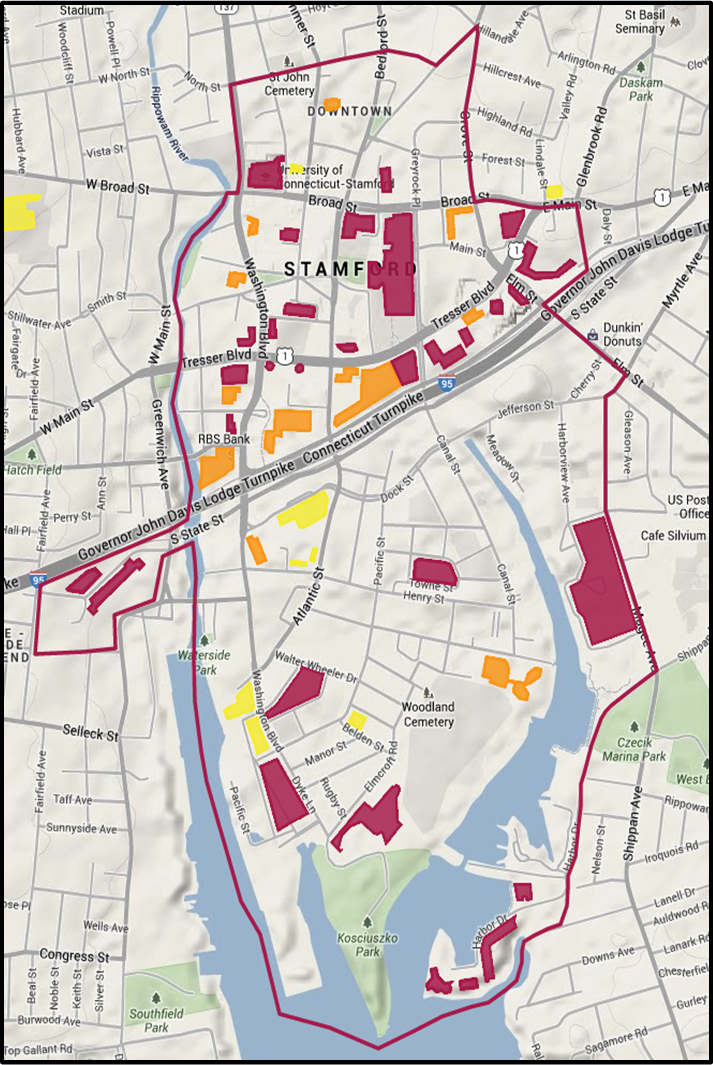 “These collective efforts will establish the Stamford 2030 District as an example of a financially viable, sustainability focused, multi-sector driven effort that maximizes profitability and prosperity for all involved. Through collaboration of diverse stakeholders, leveraging existing and developing new incentives and financing mechanisms, and creating and sharing joint resources, the Stamford 2030 District will prove the business case for healthy and high performing buildings.”
 The new interactive tool, on the Connecticut Voices for Children website, enables visitors to track spending across nearly 100 children’s programs over 25 years. Over the last two decades, spending on children’s programs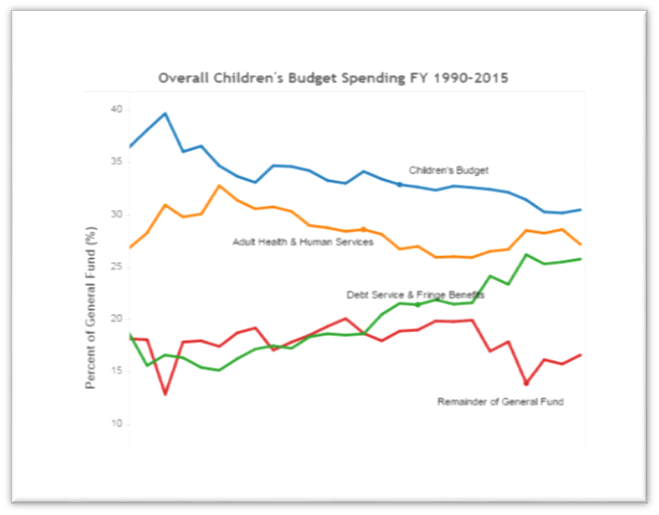


 “With more than 540 firms participating in the IPA annual Survey and Analysis of Firms this year, along with many CPA firm associations contributing to the search to identify the IPA 200, this (is) the definitive ranking of the nation’s largest public accounting firms,” said Kelly Platt, principal of The Platt Group, the publisher of IPA.
 mong the industry trends cited by the publication are tighter margins, leadership changes, globalization, new regulations, acquisition pressures, evolving technology, cultural shifts, fierce competition, and commoditization of services (firms struggling to differentiate in the marketplace).
 ss are Torrington, Danbury, West Hartford, Cheshire, Guilford, Greenwich, Plainville, Middlebury, New London, Killingly, Middletown, Fairfield, Madison, Branford, Farmington, Glastonbury, Windsor, Orange and East Hartford.
 rth. In Wyoming the gap is 37.1 percent, in New Hampshire 38.6 percent, and in South Dakota, 39 percent. In South Dakota, with the widest gap, only 10.9 percent of the wage earners in the top one percent are women.