Psychiatric Nurses to Bring Annual Convention to Hartford in 2016
/The American Psychiatric Nurses Association 30th Annual Conference will take place next October at the Connecticut Convention Center. It is the first time that the organization will hold its annual event in Connecticut. This year’s program was held at Disney’s Coronado Springs Resort in Florida, where attendees had the opportunity to earn up to 29.5 continuing education contact hours onsite and an additional 100 plus contact hours online afterwards. The 2016 APNA Annual Conference will be held October 19-22 in Hartford.  The APNA Annual Conference delivers more than 100 varied educational sessions and invaluable networking opportunities to the more than a thousand psychiatric-mental health RNs and APRNs who attend each year. The organization has more than 10,000 members nationwide.
Last month, the APNA joined a White House initiative to address the ongoing epidemic of prescription drug abuse and heroin use across the nation. With organizations from both the public and private sectors participating, the effort seeks to train health care providers, improve access to treatment, and raise awareness of the risks of prescription drug misuse.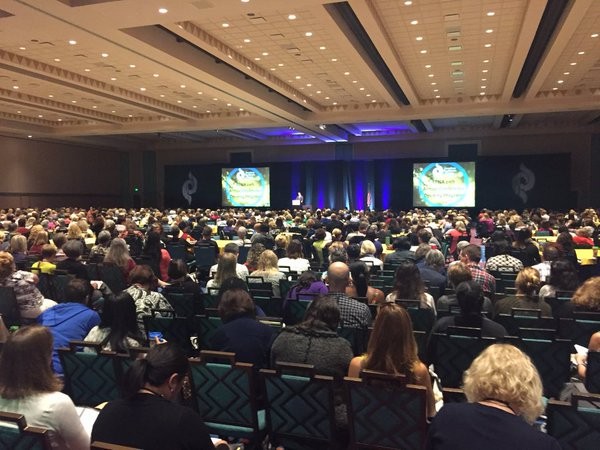
Approximately 2.3 million US citizens aged 12 and older have opioid use disorder, and most states have higher rates of treatment need than capacity to treat. In this context, educating health professionals and encouraging them to apply best-treatment practices is critical to improve the health of the nation. APNA is one of 8 nursing groups to pledge to be a part of the solution over the next two years.
The American Psychiatric Nurses Association (APNA) was founded in 1986. In the ensuing 28 years, APNA has grown to be the largest professional membership organization committed to the specialty practice of psychiatric-mental health (PMH) nursing and wellness promotion, prevention of mental health problems, and the care and treatment of persons with psychiatric disorders.
The APNA Annual Conference is held in a new location every year to encourage regional participation, add adventure, and provide a venue to connect with other psychiatric-mental health nurse professionals from across the globe, officials point out.
Plans for the convention in Connecticut include programs designed to “advance the profession through networking and education” and opportunities to “celebrate psychiatric-mental health nurses’ outstanding contributions” through the presentation of the APNA Annual Awards.
 In Florida last month, more than 1,800 attendees were on hand for a program “packed with psychiatric-mental networking, updates, and continuing education targeted to psychiatric-mental health nurses.” Session recordings from the Annual Conferences are made available in the APNA eLearning Center in podcast form, along with up-to-date session slides and other relevant materials.
APNA is the only PMH nursing organization whose membership is inclusive of all PMH registered nurses (RN) including associate degree (ADN), baccalaureate (BSN), and advanced practice (APN) comprised of clinical nurse specialists (CNS), psychiatric nurse practitioners (NP), and nurse scientists and academicians (PhD). The American Psychiatric Nurses Association is accredited as a provider of continuing nursing education by the American Nurses Credentialing Center's Commission on Accreditation.
The Journal of the American Psychiatric Nurses Association (JAPNA), with more than 10,000 subscribers, provides quality, up-to-date information to promote PMH nursing, improve mental health care for culturally diverse individuals, families, groups, and communities, as well as shape health care policy for the delivery of mental health services.
https://youtu.be/AIys4qoQ5q8
 In Connecticut, the average rate between 1999 and 2001 was 4.1 per 100,000. Between 2010 and 2013, the drug overdose rate had risen to 8.3, above the national aver
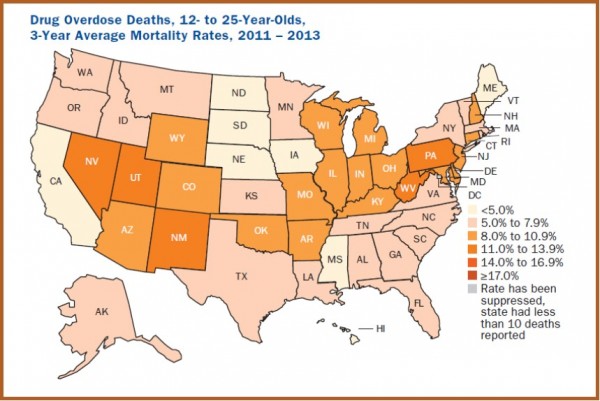 age but unchanged from a previous three-year period, 2005-2007. The data was compiled from the Centers for Disease Control and Prevention. Males are 2.5 times as likely to overdose as females (10.4 vs. 4.1 per 100,000), according to the report.
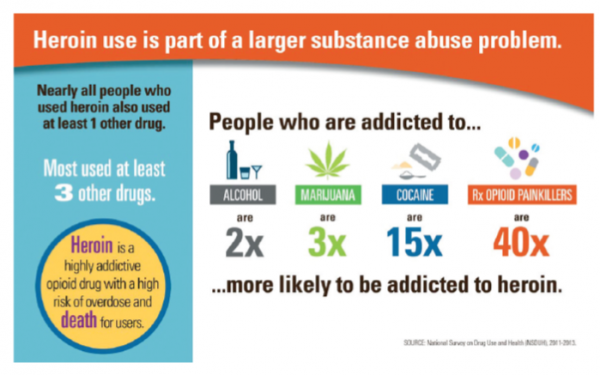 s to help practitioners identify potential abuse that leads to over prescribing by requiring them to check patient history to verify if patients seeking certain prescriptions have recently received these medications from multiple other prescribers or pharmacists.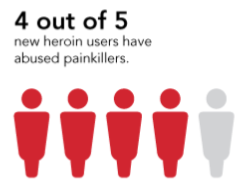


 Instead,
  l bus injuries in the U.S. every year — two to three times National Highway Traffic Safety Administration estimates, which use only a sampling of data and exclude field trips like the one on which Vikas Parikh died. Seat belts work best in rollover and side-impact collisions in which students are thrown out of their seats, as Vikas was. The American Academy of Pediatrics supports restraints on buses.”
 In
In 

 sustainable lifestyle beverate brand for teens and tweens. The company's goal is to inspire young people to realize the power of consumer choices to effect social and environmental change.
 The five awards judges - Sherrell Dorsey of Uber and Triple Pundit, Adam Dotson of Ironwood Capital, Claire Leonardi, an advisor to reSET's Social Enterprise Investment Fund and former CEO of Connnecticut Innovations, Anthony Price of LootScout and Paul Witinski of Ironwood Capital - narrowed down more than 100 applicants to 12 honorees. The People’s Choice winner was selected via more than 1,800 online votes.

 The organization is driven by volunteers – food donors, food runners and partner agencies. One such agency in Connecticut is the Manchester Area Conference of Churches, which indicates there are 8,000 food-insecure people in the greater Manchester area.

 Medical technology creates more than two million jobs directly and indirectly across the United States. The industry is one of the few U.S. manufacturing sectors that is a net exporter, and its innovations help reduce the human and economic burden of chronic disease. Industry officials point out that while U.S. leads the world in the development of new medical technology, the device tax “threatens that leadership.”


 Officials cite studies that show many abused prescription drugs are obtained from family and friends, including from the home medicine cabinet. In addition, manyAmericans do not know how to properly dispose of their unused medicine, often flushing them down the toilet or throwing them away – both potential safety and health hazards.


 The CDC’s recommendations in August came a year after the American Academy of Pediatrics urged schools to adjust start times so more kids would get the recommended 8.5 to 9.5 hours of nightly rest. Both the CDC and the pediatricians’ group cited significant risks that come with lack of sleep, including higher rates of obesity and depression and motor-vehicle accidents among teens as well as an overall lower quality of life, The Atlantic recently reported.