
CT Start-Up Wins MassChallenge, Takes Home $300,000 to Advance Work in Glucose Monitoring
/Connecticut-based Biorasis, with roots at UConn, was recently awarded the MassChallenge’s top prize at their annual awards ceremony in Boston. The company was one of only four “Diamond Winners,” receiving a cash prize of $100,000. They were also one of two teams to receive the Sidecar Award, providing an additional $200,000 in non-dilutive funding.
Biorasis Inc. is a rapidly growing medical device company committed to advancing the field of metabolic monitoring through development of implantable biosensor platforms and basic research in the areas of drug delivery, nanotechnology and microelectronics. The company’s goal is to vastly improve the quality of life of diabetics.
The technology developed by Biorasis, the Glucowizzard™, is an ultra-small implantable biosensor for continuous, reliable glucose monitoring. This needle-implantable device wirelessly transmits glucose levels to a watch-like unit for real-time display, which in turn communicates with personal digital accessories like a smartphone. Continuous metabolic monitoring “holds great potential to provide an early indication of various body disorders and diseases,” the company website explains, adding that Biorasis’ implantable multi-sensor platform is “capable of such real-time, continuous monitoring.”
Biorasis is in the business of developing a miniaturized, hypodermic-injectable biosensor for reliable continuous glucose monitoring (CGM) with autonomous operation for 3-6 months that requires no user intervention.
Their solution “eliminates surgery for sensor implantation and extraction, restores active life style, enables remote care for juveniles and the elderly, enhances compliance, and saves 50-70% in annual healthcare costs.”
The company’s co-founders and scientific advisors are:
- Faquir Jaina, a Professor of Electrical & Computer Engineering at the University of Connecticut. He has over 35 years of experience in design, modeling and fabrication of micro/opto-electronic devices, integrated circuits and multiple quantum-well light valves/modulators.
- Fotios Papadimitrakopoulos, a Professor of Chemistry and Associate Director of the Institute of Materials Science at University of Connecticut. He has over 20 years of experience in the areas of polymers, nano/bio-systems and supramolecular assembly of nanostructures.
The company continues to grow, and their scientific team is currently expanding. The Biorasis website indicates that the company is seeking individuals with “a proven track record and experience in the areas of medical devices, electrochemistry, polymer science, pharmaceutics, animal studies, microelectronics and device packaging.” Inquiries can be directed to Biorasis at the UCONN Technology Incubation Program in Storrs. Additional investors are also being sought.
 MassChallenge, an independent nonprofit organization, envisions “a creative and inspired society in which everyone recognizes that they can define their future, and is empowered to maximize their impact.” They note that “novice entrepreneurs require advice, resources and funding to bring their ideas to fruition. Currently there is a gap between the resources these entrepreneurs need and the ability of the entrepreneurial ecosystem to provide them.” To bridge that gap, the organization’s primary activities include running an annual global accelerator program and startup competition, documenting and organizing key resources, and organizing training and networking events. They “connect entrepreneurs with the resources they need to launch and succeed immediately.”
 The news came just weeks after it was announced that Laurencin is the recipient of the 2016 Founders Award, the highest honor of The Society For Biomaterials. He will be honored at the 2016 World Biomaterials Congress in Montreal, Canada on May 18, 2016.

 The APNA Annual Conference delivers more than 100 varied educational sessions and invaluable networking opportunities to the more than a thousand psychiatric-mental health RNs and APRNs who attend each year. The organization has more than 10,000 members nationwide.

 In Florida last month, more than 1,800 attendees were on hand for a program “packed with psychiatric-mental networking, updates, and continuing education targeted to psychiatric-mental health nurses.” Session recordings from the Annual Conferences are made available in the APNA eLearning Center in podcast form, along with up-to-date session slides and other relevant materials.

 In Connecticut, the average rate between 1999 and 2001 was 4.1 per 100,000. Between 2010 and 2013, the drug overdose rate had risen to 8.3, above the national aver
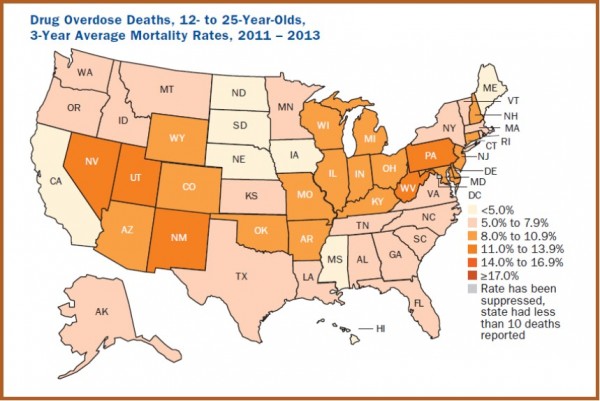 age but unchanged from a previous three-year period, 2005-2007. The data was compiled from the Centers for Disease Control and Prevention. Males are 2.5 times as likely to overdose as females (10.4 vs. 4.1 per 100,000), according to the report.

 s to help practitioners identify potential abuse that leads to over prescribing by requiring them to check patient history to verify if patients seeking certain prescriptions have recently received these medications from multiple other prescribers or pharmacists.
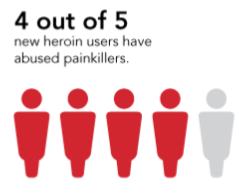


 Instead,
 l bus injuries in the U.S. every year — two to three times National Highway Traffic Safety Administration estimates, which use only a sampling of data and exclude field trips like the one on which Vikas Parikh died. Seat belts work best in rollover and side-impact collisions in which students are thrown out of their seats, as Vikas was. The American Academy of Pediatrics supports restraints on buses.”

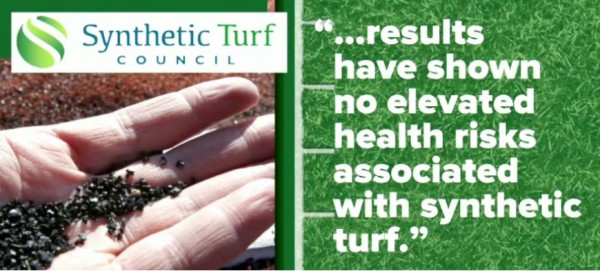 In


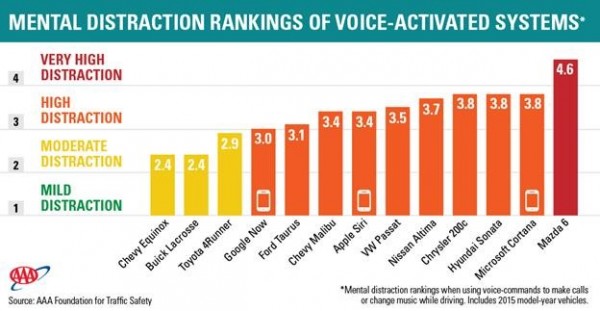

 sustainable lifestyle beverate brand for teens and tweens. The company's goal is to inspire young people to realize the power of consumer choices to effect social and environmental change.
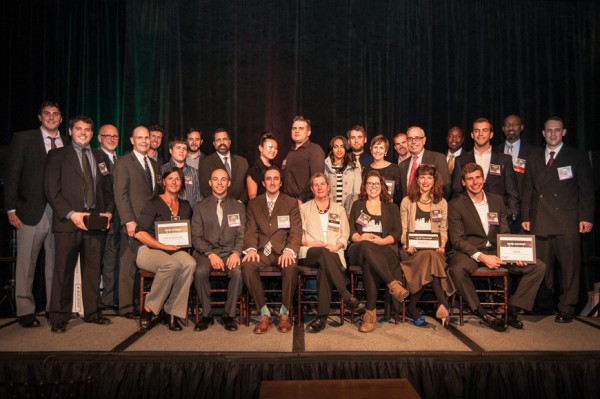
 The five awards judges - Sherrell Dorsey of Uber and Triple Pundit, Adam Dotson of Ironwood Capital, Claire Leonardi, an advisor to reSET's Social Enterprise Investment Fund and former CEO of Connnecticut Innovations, Anthony Price of LootScout and Paul Witinski of Ironwood Capital - narrowed down more than 100 applicants to 12 honorees. The People’s Choice winner was selected via more than 1,800 online votes.


 The organization is driven by volunteers – food donors, food runners and partner agencies. One such agency in Connecticut is the Manchester Area Conference of Churches, which indicates there are 8,000 food-insecure people in the greater Manchester area.


 Medical technology creates more than two million jobs directly and indirectly across the United States. The industry is one of the few U.S. manufacturing sectors that is a net exporter, and its innovations help reduce the human and economic burden of chronic disease. Industry officials point out that while U.S. leads the world in the development of new medical technology, the device tax “threatens that leadership.”