
Former UConn QB Cochran Says Football Puts Players in Harm’s Way, Urges End to "Cycle of Silence"
/Former UConn quarterback Casey Cochran, who retired from the sport at age 20 after suffering his 13th concussion, said this week that “There are problems with the game that need to be addressed. As it is played right now, tackle football — with its pads and helmets — puts players in harm’s way, all of the time, regardless of age and ability.” Cochran, writing a first-person story about his experiences with football and concussions in The Players’ Tribune, an online site founded by Derek Jeter, issued an alert to others who’ve journeyed through the sport, or continue to compete:
“I want to say to all former, current and future athletes who have or will suffer a concussion: Do not hide it. Tell your coaches, medical staff, parents, friends and teammates. Get treatment. The cycle of silence hurts more and more people each year.”
Cochran, from Monroe, explained that in the 18 months since his decision, after suffering a concussion on the last play of the first game of UConn’s 2014 season, against Brigham Young University, “I still feel the lingering effects from my many concussions. Life is a balancing act now. Some days it’s hard to wake up before noon. Sometimes I don’t want to leave my bed at all. In high school, I had a 3.9 GPA. Now I have trouble focusing and performing well in my graduate-school classes.”
He warned that “Those who play football, particularly those who begin in their youth, are given a glamorized version of the sport – one where camaraderie, discipline, toughness and leadership are highlighted and the wretchedness is ignored and swept under the rug. As a result, we fall in love with and value the good and push aside the bad.”
Cochran recalled that “I probably should have stopped playing football in eighth grade after my third concussion, but I was afraid to speak up. Afraid of disappointing people who had invested in my career. Afraid of who was I was without football. I wish I hadn’t hid the three concussions I had in one week during my junior year of high school, but I was afraid that college recruiters would find out.”
Even with increasing awareness of the risks of concussions, Cochran said the near and long-term effects haven’t led to enough changes. “The only word I know to describe the first few moments after a concussion is limbo — there are a few moments between the world that you were just a part of and your new brain-injured reality,” Cochran explained. “My head was seized with tremendous pressure, and that same awful, familiar depression from previous head injuries came over me — like a dark, heavy blanket, swallowing me up.”
With it all, he retains optimism: “There is life outside of the white lines. A lot of life. Stepping away from football was one of the scariest things I’ve ever had to do. I felt lost for a long time. For a little over a year, I felt like I was somewhere, deep in the ocean, being pulled by the currents. But what pulled me back from the depths was hope. Hope that things would get better.”
He now finds purpose in being an advocate for player safety, speaking to audiences, doing interviews and writing a book about his experiences. To those going through what he did, during his 14 years of playing football, he says “If you feel alone, you aren’t. Chances are, there are a lot of people out there who have some idea of what you’re going through. Just keep looking. Reach out.”
Added Cochran: “Sometimes it’s nice to admit that things aren’t O.K.: ‘Hello, my name is Casey, and I have anxiety and depression.’ It may be permanent. It may be just the beginning. I don’t know what the future has in store for me and it will be some time before the medical field can paint a clearer picture for me. I may have CTE right now. I might have dementia at 50. My entire future is uncertain.”

 In addition to its impact on drivers, the AMA notes that blue-rich LED streetlights operate at a wavelength that most adversely suppresses melatonin during night. It is estimated that white LED lamps have five times greater impact on circadian sleep rhythms than conventional street lamps, the AMA indicated. Recent large surveys, according to the AMA, found that brighter residential nighttime lighting is associated with reduced sleep times, dissatisfaction with sleep quality, excessive sleepiness, impaired daytime functioning and obesity.
 The Conversation website is a collaboration between editors and academics to provide "informed news analysis and commentary that’s free to read and republish." It
 PHOTO: Traditional street lighting (left) vs. LED lighting (right).

 “Wholesome Wave is thrilled by the innovations that USDA is supporting through the new FINI grants, which are taking the work of increasing affordable access to healthy food to even greater levels of impact,” said Michel Nischan, CEO & Founder of Wholesome Wave. “So many SNAP shoppers are working parents with limited time to source healthier food choices. Through the new Farm-to-Grocery model, our partners in Connecticut and Vermont will be able to expand affordable access to SNAP consumers in a way that allows them to find and purchase more healthy food from a variety of retailers.”


 In 2015, Charter Oak Health Center was one of 12 community health centers in the state to receive Expanded Service Awards from the Health Resources and Service Administration (HRSA) Health Center Program within the Department of Health and Human Services.

 nter located in southern Hartford and provides Medical, Dental, and Behavioral Health services to over 18,000 patients annually.

 With locations in New Haven and East Haven,



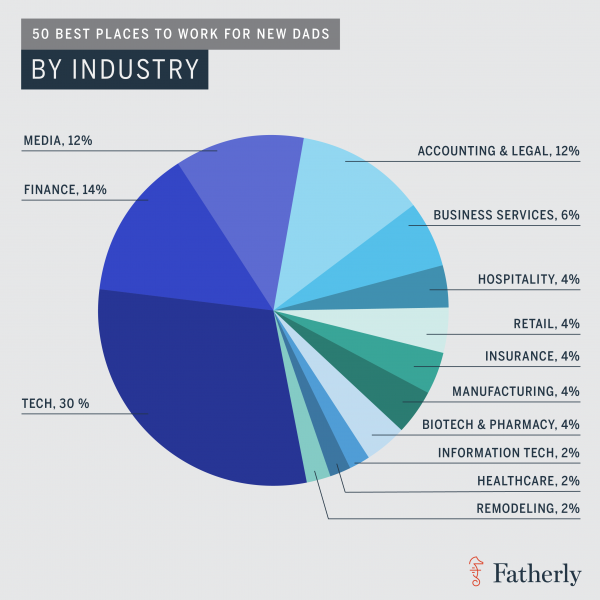
 Among the nation’s top businesses for new dad, an analysis by the website Fatherly, determined that two Connecticut-based companies – alcoholic beverages producer Diageo and financial data and analysis provider FactSet, earned slots in the top 50. Fatherly is a digital lifestyle guide for men entering parenthood.
 were Netflix, Spotify, Facebook, Patagonia, Bank of America, Pinterest, Google, Microsoft, Twitter, Airbnb, Johnson & Johnson, Accenture, MasterCard, Intuit and Intel.


 tion into one composite indicator of entrepreneurial business growth.”

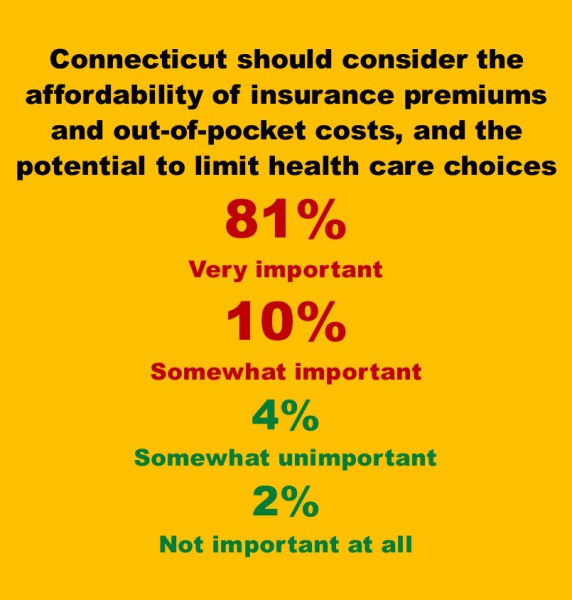
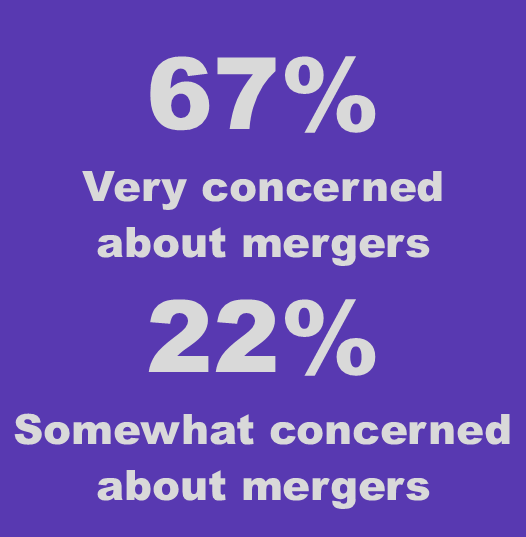 In addition to the public poll,
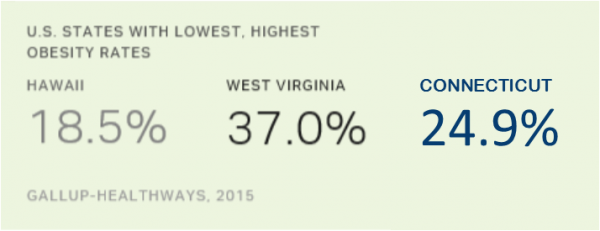
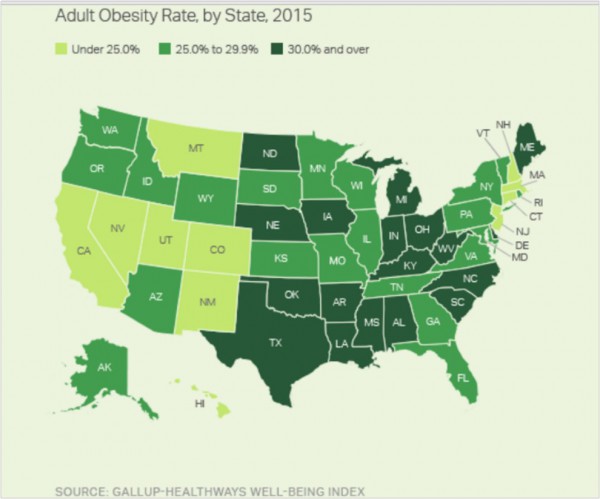
 no state registered a statistically significant decline. Maine, West Virginia, Idaho and Oklahoma experienced the sharpest upticks in obesity.
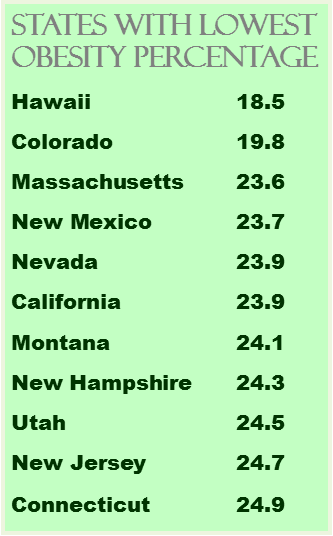 In the five most obese states, the annual incremental cost of obesity per 100,000 residents averages $54 million. By contrast, the average cost is $34 million in the five least obese states. In other words, per capita medical costs attributable to obesity are about 1.6 times higher in the five states with the highest obesity rates than in the states with the five lowest rates. The cost in Connecticut for the obese adult population was estimated at $39 million, for the entire adult population, $1.07 billion.

 “Parental voices can be influential in mobilizing advocacy efforts, and enacting policy change affecting children’s health,” said Rebecca Puhl, a study author, professor in UConn’s Department of Human Development and Family Studies, and deputy director of the Rudd Center.