Public Health National, Statewide Conferences Reflect Greater Attention to Field
/With concerns about the Zika virus reaching the United States as reflected in the recent report of four cases in Florida and state public health monitoring now reaching Connecticut, public awareness of the role of public health officials, here and across the country, is likely to increase in the coming weeks and months. That coincides with the National Conference of the National Association of Local Boards of Health next week in St. Louis, and the Annual Meeting of the Connecticut Public Health Association slated for November in New Haven. The statewide organization is marking its hundredth anniversary this year, and the theme of the conference will be "Back to the Future- 100 years of Public Health in CT and Beyond."
For the past century, the Connecticut Public Health Association has been “committed to improving the quality of the public health profession and advocating for policies and programs that promote health and prevent disease.” The association’s members, representing a wide variety of disciplines, “are united in the goal of protecting and promoting the public's health.”
The CPHA has invested its advocacy and education resources in key areas of public health such as public health infrastructure, racial and ethnic health disparities, health literacy, universal health care, environmental health, and disease prevention. The organization’s president is Brittany Allen, staff attorney with the state Department of Public Health.
Among those from Connecticut expected to attend the National Association of Local Boards of Health session in Missouri will be the Secretary on the national organization’s Board of Directors, Judith Sartucci of Rocky Hill and the Central Connecticut Health District which serves the towns of Berlin, Newington, Rocky Hill and Wethersfield. The National Conference is scheduled to focus on ways to improve community heath, the Flint (MI) financial and water crisis “through a board of health lens,” and collaborative governance in an era of population health management. The public health threats identified by the national Centers for Disease Control and Prevention will also be highlighted, as will Zika, according to Association Director Jamie Michael.
The mission of the Connecticut Public Health Association is to “represent and unite the diverse expertise of Connecticut's public health professionals, to ameliorate the most pressing public health issues in the state, and to promote health and safe living for the people of Connecticut.” CPHA works to promote and protect the public's health through advocacy; education; program, professional and workforce development; and networking among the public health community.
The CPHA website points out that “today, more than ever, the value of public health in saving lives and reducing health care costs is at the forefront of public policy. Being a part of this movement is exciting for practitioners and organizations alike.”
Among the learning objectives anticipated at the state conference in November, where 300 public health officials from across the state are expected, “attendees will be able to:
- Describe how policies, systems, and environmental changes can be applied to improve the public’s health.
- Identify evidence-based strategies that engage communities to improve health outcomes and explain how they work and are applied effectively.
- Explain how collaboration with nontraditional partners supports the improvement of population health and wellness.
- Promote the formation of collegial professional networks and the exchange of ideas among members of the public health community.
 The keynote address will be provided by Camara P. Jones, MD, MPH, PhD, research director on social determinants of health and equity in the Division of Adult and Community Health, National Center for Chronic Disease Prevention and Health Promotion and President of the American Public Health Association (APHA).
Dr. Jones is a family physician and epidemiologist whose work focuses on the impact of racism on the health and well-being of the nation. She seeks to broaden the national health debate to include not only universal access to high quality health care but also attention to the social determinants of health (including poverty) and the social determinants of equity (including racism).
Her biography points out that:
- As a methodologist, she has developed new ways for comparing full distributions of data (rather than means or proportions) in order to investigate population-level risk factors and propose population-level interventions.
- As a social epidemiologist, her work on race-associated differences in health outcomes goes beyond documenting those differences to vigorously investigating the structural causes of the differences.
- As a teacher, her allegories on race and racism illuminate topics that are otherwise difficult for many Americans to understand or discuss.
Dr. Jones was an assistant professor at the Harvard School of Public Health from 1994 to 2000, is a member of the World Health Organization’s Scientific Resource Group on Equity and Health.





 In addition to its impact on drivers, the AMA notes that blue-rich LED streetlights operate at a wavelength that most adversely suppresses melatonin during night. It is estimated that white LED lamps have five times greater impact on circadian sleep rhythms than conventional street lamps, the AMA indicated. Recent large surveys, according to the AMA, found that brighter residential nighttime lighting is associated with reduced sleep times, dissatisfaction with sleep quality, excessive sleepiness, impaired daytime functioning and obesity.
 The Conversation website is a collaboration between editors and academics to provide "informed news analysis and commentary that’s free to read and republish." It
  PHOTO: Traditional street lighting (left) vs. LED lighting (right).
 “Wholesome Wave is thrilled by the innovations that USDA is supporting through the new FINI grants, which are taking the work of increasing affordable access to healthy food to even greater levels of impact,” said Michel Nischan, CEO & Founder of Wholesome Wave. “So many SNAP shoppers are working parents with limited time to source healthier food choices. Through the new Farm-to-Grocery model, our partners in Connecticut and Vermont will be able to expand affordable access to SNAP consumers in a way that allows them to find and purchase more healthy food from a variety of retailers.”


 In 2015, Charter Oak Health Center was one of 12 community health centers in the state to receive Expanded Service Awards from the Health Resources and Service Administration (HRSA) Health Center Program within the Department of Health and Human Services.
 nter located in southern Hartford and provides Medical, Dental, and Behavioral Health services to over 18,000 patients annually.
 With locations in New Haven and East Haven,


 Among the nation’s top businesses for new dad, an analysis by the website Fatherly, determined that two Connecticut-based companies – alcoholic beverages producer Diageo and financial data and analysis provider FactSet, earned slots in the top 50. Fatherly is a digital lifestyle guide for men entering parenthood.
 were Netflix, Spotify, Facebook, Patagonia, Bank of America, Pinterest, Google, Microsoft, Twitter, Airbnb, Johnson & Johnson, Accenture, MasterCard, Intuit and Intel.


 tion into one composite indicator of entrepreneurial business growth.”

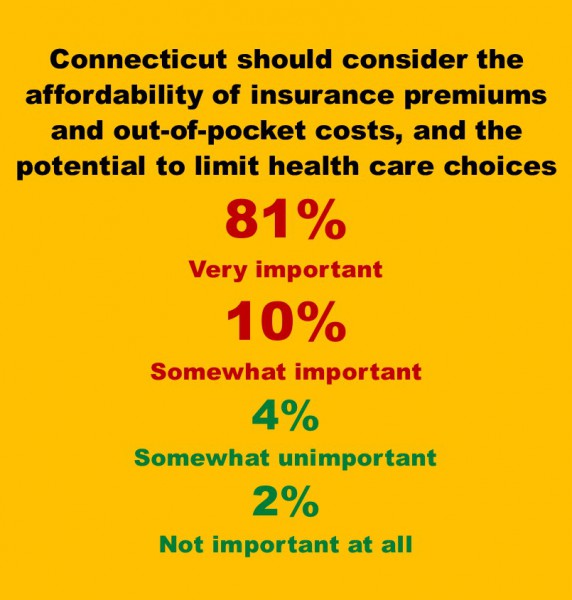
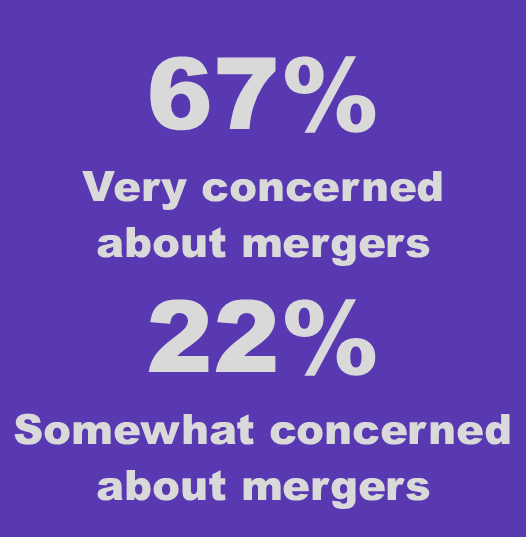 In addition to the public poll,