“State of Innovation” Specialty License Plate Is Latest to Join List of Choices
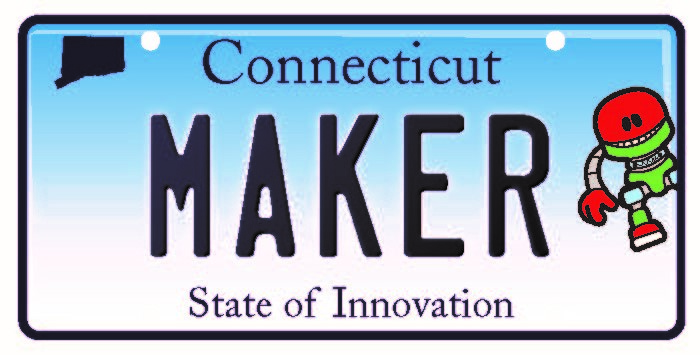
/Connecticut, with more than 50 special license plates featuring everything from animals to war survivors, now has one more available for purchase by state residents. At the fifth annual Westport Mini Maker Faire earlier this year, it was announced that a new “State of Innovation” license plate was being developed by a non-profit organization, Remarkable STEAM. The organization has now announced that their design has been approved, and sales of the new plate are underway.
Individuals can transfer an existing plate or obtain a vanity plate. A portion of the proceeds goes to Remarkable STEAM, Inc, a 501(c)(3) not for profit corporation, best known for the Westport Mini Maker Faire. Remarkable STEAM initiatives support job creation and educational programs.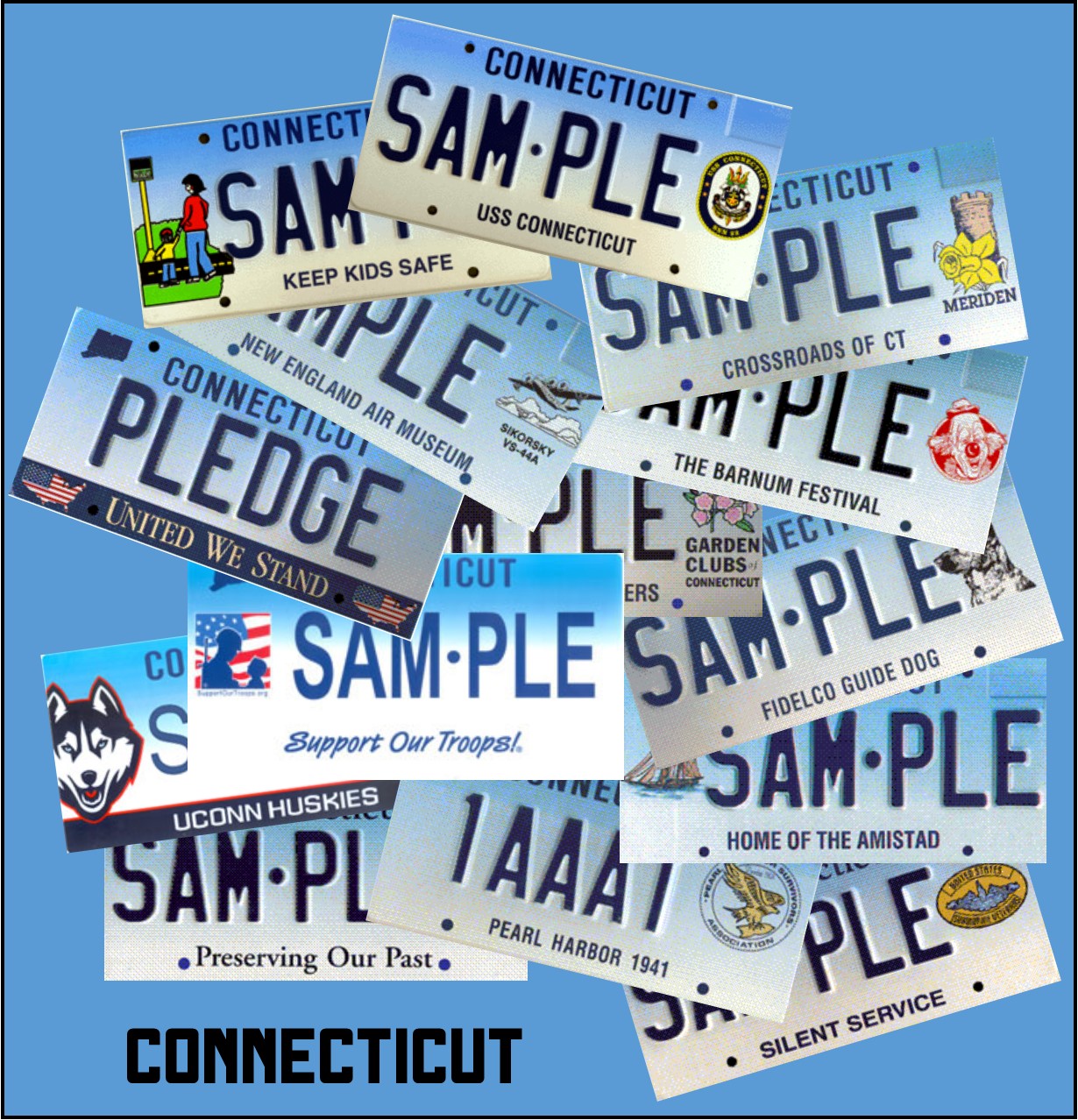
State law allows the Department of Motor Vehicles to issue of special background plates on behalf of non-profit organizations. The organization must be non-profit, must submit a copy of the organization's charter or by-laws, provide a letter of good standing from the State of Connecticut Secretary of State’s Office (if required) and supply any Internal Revenue Service ruling on their non-profit tax exemption status.
The logo production and cost incurred will be the responsibility of the organization. The logo prototype design, preferred in PDF format, must be submitted to the DMV. The logo can be no larger than 2 inches wide and 3.5 inches high. DMV has final approval on all the plate and logo designs.
A liaison for the organization must be appointed. This individual will be responsible for all communications with the DMV as well as certifying and authenticating (by signature) each member’s application, submitting the logo design to DMV for approval, submitting 400 applications with the required fee prior to the manufacturing of the special background plates, and submitting a Special Interest Plate disclaimer.
Many organizations in Connecticut offer license plates to their members and the general public. General categories include animals, colleges, environment, organizations, police and fire, cities and towns, and recreation.
Organization vanity plates include Amistad, Benevolent & Protective Order of the Elks, IUOE Local 478, Grand Lodge of Connecticut, Knights of Columbus, Olympic Spirit, P.T. Barnum Foundation Inc., Preserving Our Past CT Trust for Historic Preservation, Red Sox Foundation, Lions Eye Research Foundation, Special Olympics, Federated Garden Clubs, Fidelco Guide Dog Foundation, Keep Kids Safe, New England Air Museum and the U.S.S. Connecticut Commissioning Committee.
All fees established and collected pursuant to the United We Stand plate (except moneys designated for the administrative costs of the DMV) shall be deposited in the United We Stand commemorative account. Funds are directed to the United States Department of State Rewards for Justice program and is used solely to apprehend terrorists and bring them to justice. The account will also be distributed to the Secretary of the Office of Policy and Management for the purpose of providing financial support and assistance to the former spouses and dependents of persons killed as a result of the acts of terrorism committed on September 11, 2001.
 When individuals purchase a Keep Kids Safe plate, a portion of the fee goes to the Keep Kids Safe Fund, which “makes many worthy projects happen for youngsters.” The fund awards grants to schools, hospitals, municipalities and other non-profit organizations working to make all Connecticut children safer from severe and preventable injuries, according to the DMV website.
In most cases, remake of a current plate is $70; a new vanity plate is $139, a new series plate is $50. For others, including the UConn Huskies plate, the price tag is somewhat different. Off-the-shelf license plates cost $55, remake of a current plate is $75, a new vanity plate costs $144, according to the DMV website.
The Support Our Troops plate sends a portion of the fee to provide funding for programs to assist Connecticut troops, their families and veterans. When you buy a Red Sox plate, a portion of the fees support and help fund academic scholarship programs in Connecticut.
Also included are 17 varieties of military specialty plates, including Disabled American Veteran, Gold Star Family, Iwo Jima Survivor, Korean War Veterans Association, Marine Corps League, Laos Veterans of America, Military Order of the Purple Heart, Pearl Harbor 1941, U.S. Submarine Veteran, National Guard Association of Connecticut, First Company Governor’s Foot Guard, First Company Governor’s Horse Guard,
Colleges with designated plates include Central Connecticut State University, Penn State Alumni, University of Hartford, University of Connecticut, and University of New Haven. Cities with available plates include Meriden, Norwich, and Stafford.
Organizations interested in launching a new special plate, should contact the DMV Special Plate Unit at (860) 263-5154 for further information.
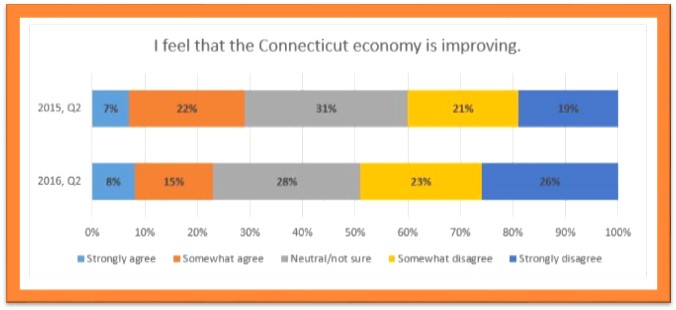
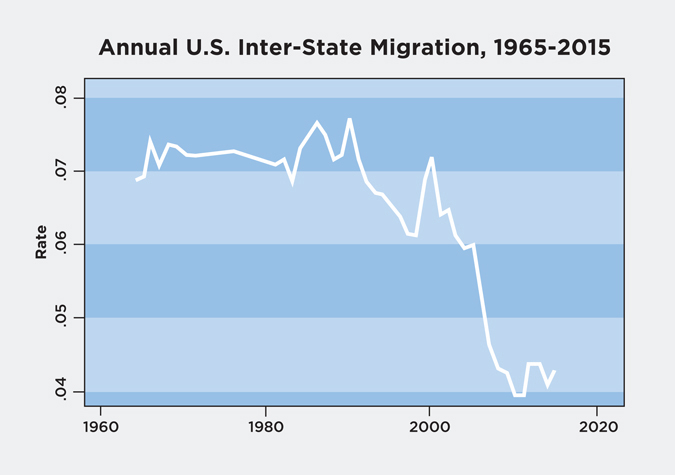
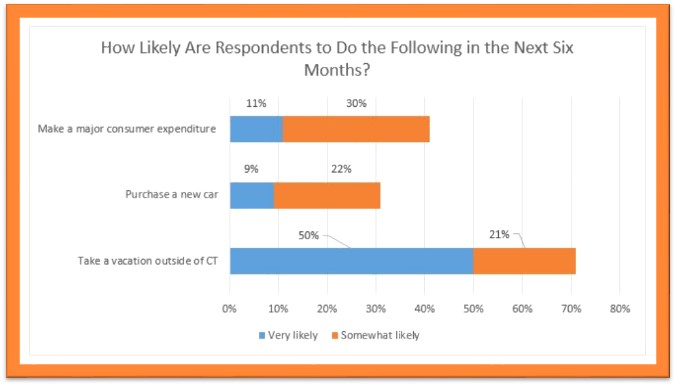 Increasingly, residents believe that jobs are “very hard to get” in Connecticut compared with six months ago (from about one-quarter to one-third of those surveyed in Q2 2016 versus Q2 2015), and are, in growing numbers, saying they would rather leave than stay.
 Forty-three percent, an increase from 40 percent in the year’s first quarter, answered “all of the above” when asked if education, libraries, public health, public safety and animal control could be provided regionally. Among those services individually, there was slightly greater support for a regional approach to public safety, slightly less for each of the others. The largest increase was for “all” of the services.
 The
The  A minimum-wage worker in Connecticut would need to work full time for 36 weeks, or from January to September, just to pay for child care for one infant. And a typical child care worker in Connecticut would have to spend 63.6% of her earnings to put her own child in infant care, according to the data.



 Participating schools will be encouraged to take innovative approaches to teaching civics in the classroom and to consider involving extracurricular activities that promote civic and community engagement.
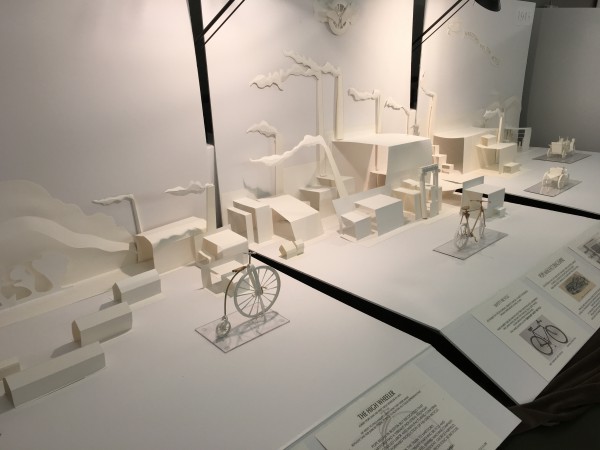
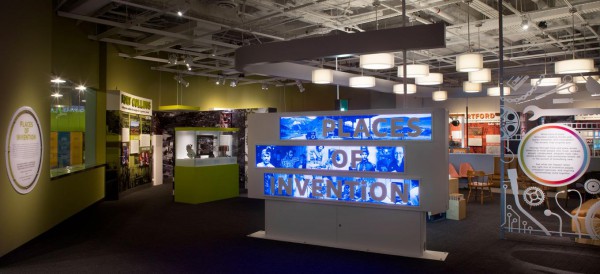 Describing Hartford’s prominent manufacturing history, Hinz said “Hartford, CT, is a classic story in the history of American technology. If you have ever wondered why people refer to “Yankee ingenuity,” this is what they are talking about.” He adds, “In the mid and late 1800s, the United States overtakes Great Britain as the world’s foremost economic superpower, largely on the strength of its prowess in inventing and manufacturing new technologies. Hartford is at the center of that revolution.”
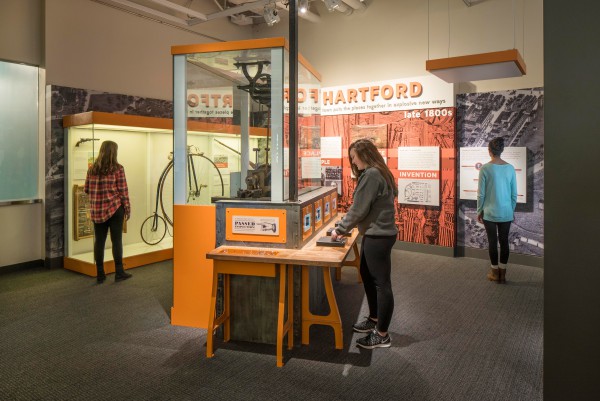 The exhibit notes that by the 1850’s “Hartford became the center of production for a wide array of products—including firearms by Colt, Richard Gatling and John Browning; Weed sewing machines; Royal and Underwood typewriters; Columbia bicycles; and even Pope automobiles.”
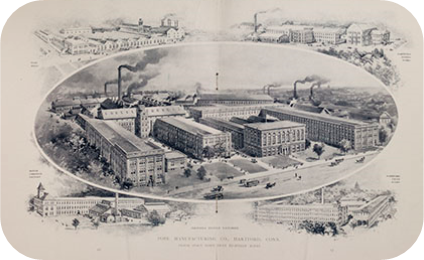 rode his high-wheeler from the station down Capitol Avenue to the Weed Sewing Machine Company.’”
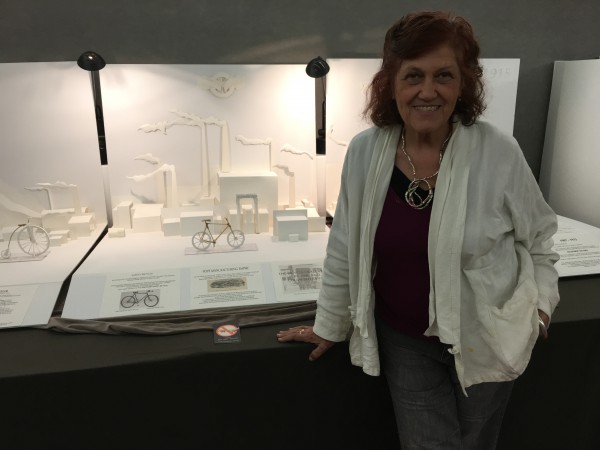 Jeanne Manzelli, a resident of Windsor, has a
  BFA in Sculpture from the Massachusetts College of Art and her MED in Art Education from the University of Massachusetts, Amherst. Her experience includes a 20 year career in design, manufacture, appraisal and sale of jewelry, two decades as mural artist working closely with interior designers as an industry professional, and 14 years teaching basic and advanced drawing, sculpture and 3D design as well as color theory at Tunxis Community College.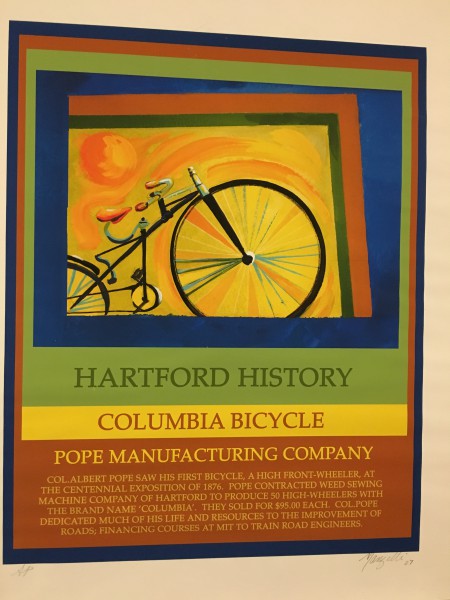

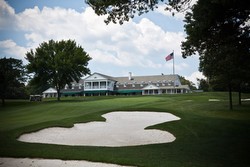 Des Moines Golf and Country Club was the site of the 1999 U.S. Senior Open Championship which drew a record 252,800 spectators.


 The analysis points out that the type of land in a given area has a significant impact on its worth. Agricultural and other largely undeveloped areas are generally worth significantly less than cities and suburbs land. Developed land, or land where housing, roads, and other structures are located, is valued at an estimated $106,000 per acre, while undeveloped land was estimated at $6,500 per acre, and farmland at only $2,000 per acre, according to the analysis.