New $1 Coin Series to Be Produced by U.S. Mint; CT’s Himes, Murphy Advocated for Innovation – and CT Company
/American innovation is about to be highlighted by the U.S. Mint, but don’t expect to see the results in your loose change. The American Innovation $1 Coin Act will launch the newest numismatic coin program of the United States Mint later this year.
The Mint will soon produce and sell $1 collector coins in recognition of American innovation and significant innovation and pioneering efforts of individuals or groups from each of the 50 States, the District of Columbia, and the five U.S. territories. The new program – passed by Congress and signed into law this year - calls for the minting and issuance of non-circulating American Innovation $1 coins.
The legislation was initially proposed by U.S. Rep. Jim Himes of Connecticut’s 4th District, and in the Senate by Connecticut U.S. Sen. Chris Murphy.
The program’s duration is a 14-year period that begins January 1, 2019. The coins are to be issued in the order in which the state or territory ratified the Constitution or were admitted to the Union. The law also authorizes a 2018 introductory coin which will be minted and issued in the latter part of this calendar year.
When the bill passed the House, Himes said: “This bill will support jobs and the industry around collectible coins, including here in Connecticut, all without costing taxpayers at all.” Murphy added: “Our country was built on innovation and entrepreneurship, and what better way to celebrate it than through a program that creates jobs and reduces the national debt.”
He noted that the proposed coin series would also support local jobs at Norwalk-based MBI Inc., one of the leading commemorative coin companies in the country.
The introductory coin will bear an obverse common to all coins in the program. It will consist of a likeness of the Statue of Liberty, and the inscriptions of “$1” and “In God We Trust.” The reverse of the introductory coin will be inscribed with “United States of America” and “American Innovators,” and it will include a representation of President George Washington’s signature on the first U.S. patent. The inscription of the year of minting or issuance, mint mark, and “E Pluribus Unum” will be edge-incused into all coins.
 American Innovation $1 coins, to be issued at a rate of four new coins per year, will bear a reverse image or images emblematic of a significant innovation, an innovator, or a group of innovators from each of the 50 states, the District of Columbia, and the territories of the United States. Published reports indicate that the $1 coins would sell for more than face value — up to $1.32 — providing a healthy profit for the federal government since the coins cost less than 35 cents to make.
“Americans tinkering in the shed, programming in the garage, and growing big ideas from humble roots have always had great impact on our economy and future,” added Himes. “We can honor them, inspire a new generation of entrepreneurs and scientists, and help the economy with this coin series.”
MBI markets a wide range of historic coinage, like rare silver dollars and foreign coins from antiquity, according to the company website. The company also capitalizes on the newly minted designs in circulation, and has already begun marketing the new state innovation dollar series to collectors. The coins offered by the company, through PCS Coins, would be “protectively encased” in custom-designed “collector panels” prepared for placement in albums. The coins will also be available from numerous other sources, but will not be issued by the U.S. Mint for general circulation.
The company’s publicity suggests that the Connecticut coin would include a back design honoring the state’s contribution to American Sign Language, but it is unclear if that decision has yet been made. The company’s coin designs are shown on marketing materials “for illustrative purposes only.”
According to the legislation, the Secretary of the Treasury will select the designs after consultation with each Governor or other chief executive and the U.S. Commission of Fine Arts; and review by the Citizens Coinage Advisory Committee.
Congress created the United States Mint in 1792, and the Mint became part of the Department of the Treasury in 1873. As the Nation’s sole manufacturer of legal tender coinage, the Mint is responsible for producing circulating coinage for the Nation to conduct its trade and commerce. The Mint also produces numismatic products, including proof, uncirculated, and commemorative coins; Congressional Gold Medals; silver and bronze medals; and silver and gold bullion coins. Its numismatic programs are self-sustaining and operate at no cost to taxpayers, according to the Mint.


 Her work at C-CHANGE is designed to accelerate and strengthen public education on climate change and pollution issues, bringing the science down to the individual level, highlighting the impacts on people, rather than the planet.

 Using a dataset on the compactness of U.S. House districts—with multiple measures generated by geographic information system (GIS) analyses over two redistricting cycles, UConn Associate Professor Jeffrey Ladewig estimated the effects of congressional district compactness on electoral turnout. The conclusion: compactness matters. The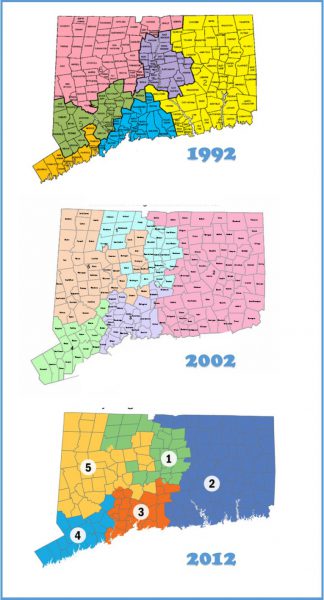
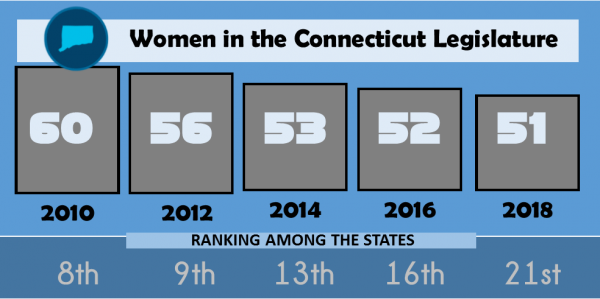 The 2018 election year has been widely declared the year of the woman in politics, a reaction to the MeToo movement and related issues that have risen to the top of many political agendas. It appears that Connecticut ballots may have a record number of women candidates in November, depending upon the outcome of the August 14 primaries in some legislative districts.
 Leading the nation were Arizona (40%), Vermont (40%), Nevada (38.1%), Colorado (38%), Washington (37.4%), and Illinois (35.6%). Women make up 25.4 percent of all state legislators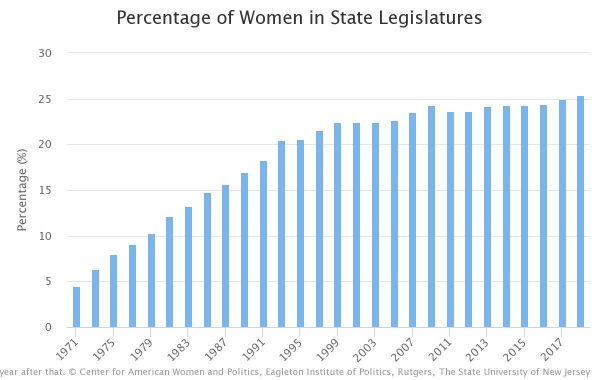


 According to the Nature Conservancy, Bridgeport currently has a 19% tree canopy cover, for example. If all open spaces, vacant lots and parking lots could be planted, the city would have a 62% tree canopy cover. The ramifications would be substantial, impacting various health and quality of life factors.


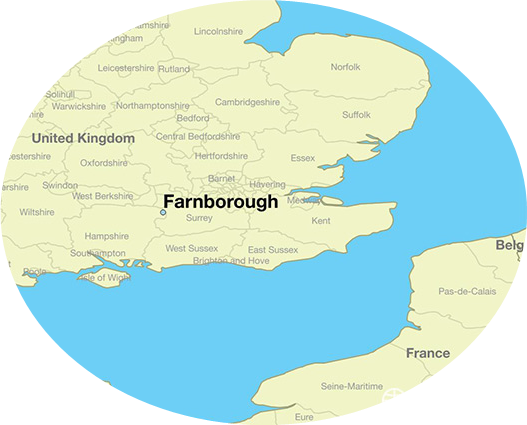 Satisfied Connecticut companies in 2016 include Windsor-based
 by the Common Core Standards and provides a pathway for 21st Century Skills.
 Globally-Focused Coursework would require at least 7.0 credits or demonstration of mastery and Globally-focused Student Activities would require competency in global citizenship through active participation in “at least one or more co-curricular and other school-sponsored or endorsed activities over at least 3 years of their high school experience with suggested involvement of a total of at least 15 hours.”
 As he further established his career, Church traveled to remote places to sketch majestic scenes unfamiliar to his American audience, turning them into dramatic, large-scale paintings. These travels provided Church with ideas and material to produce major paintings for his wealthy patrons, including prominent American industrialists and financiers such as Hartford’s Timothy Mather Allyn, J. Pierpont Morgan and firearms manufacturer Elizabeth Hart Jarvis Colt.